Chandigarh, the concrete jungle

Chandigarh, the concrete jungle

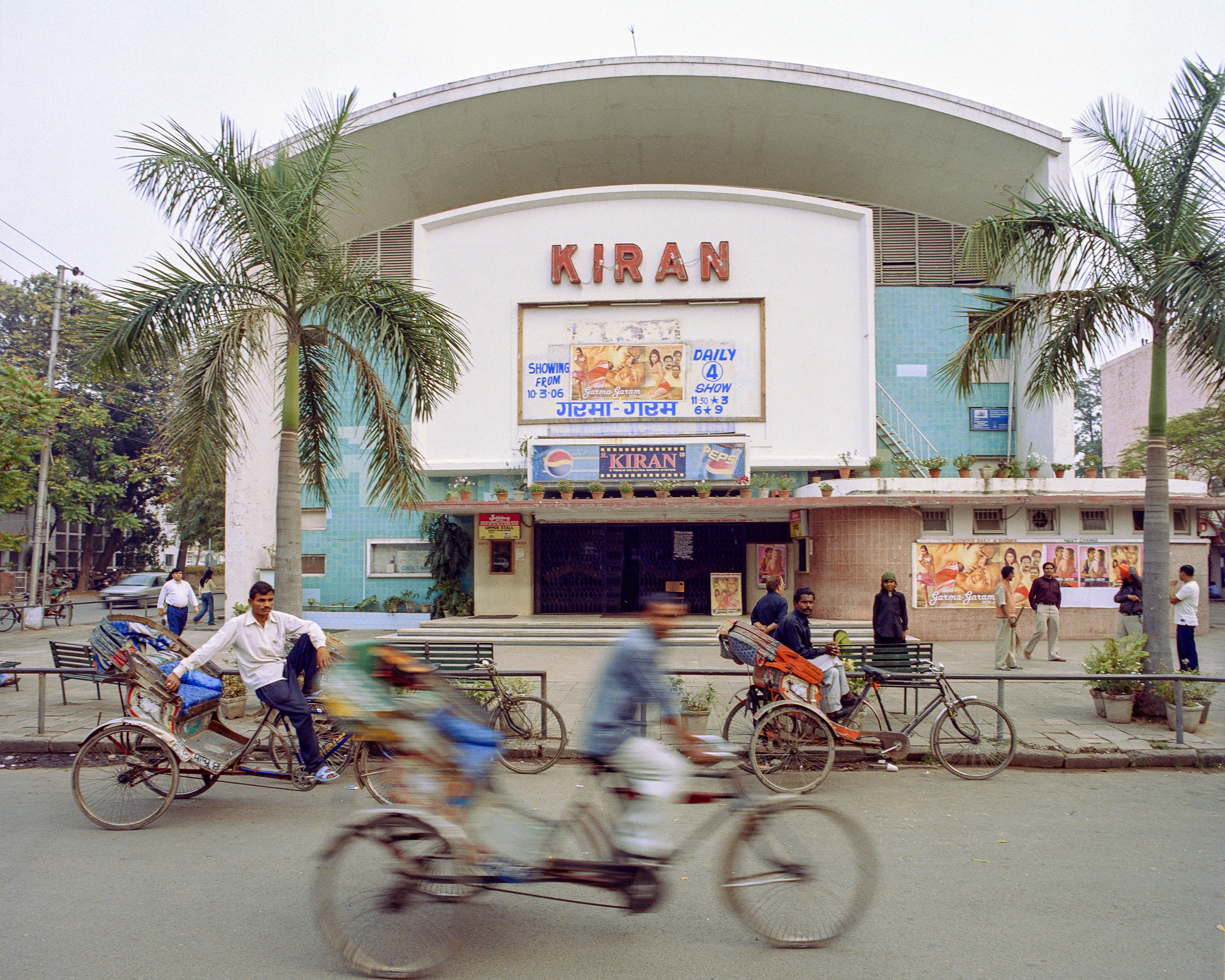
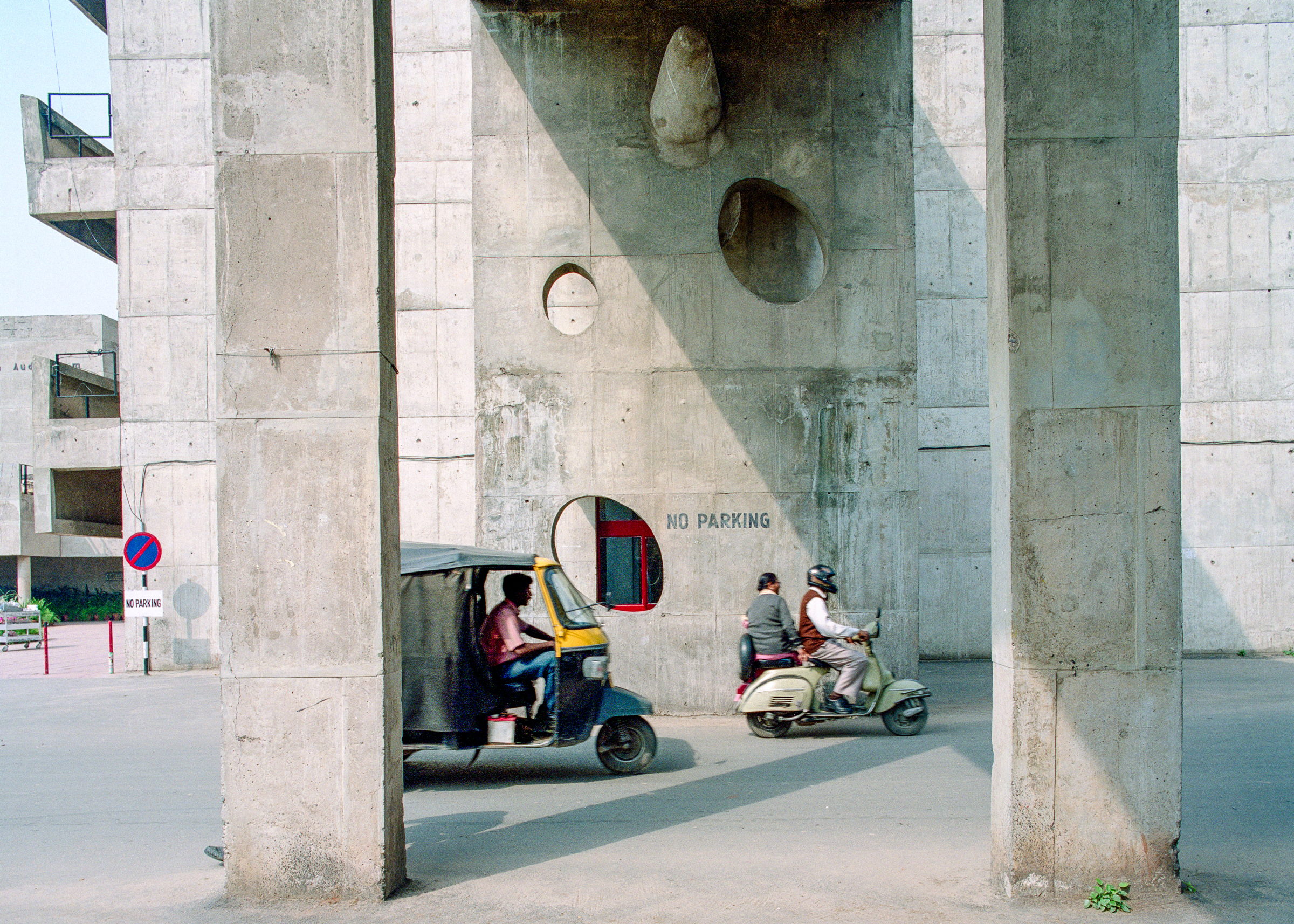
Chandigarh is the capital of the Punjab region in northern India, located at the foothills of the Himalayas. The city was created in the early 1950s by a team of architects led by Le Corbusier, Jane Drew and Maxwell Fry. Conceived as a symbol of a newly independent India, Chandigarh sought to combine the ideals of the Modern Movement with those of the Garden City. Most of the government buildings and monuments were designed by Le Corbusier and remain among the most significant examples of modernist architecture in the world.
These photographs form part of an ongoing body of work exploring cities conceived and built from scratch according to ambitious social, political and architectural visions.
Over the past two decades, I have photographed planned capitals and utopian urban projects including Brasília in Brazil, Astana in Kazakhstan and Chandigarh in India. Through these projects, I am interested in how abstract ideas and ideals become physical landscapes, and how these cities evolve as they are inhabited, adapted and transformed over time.

  • Gunnar Knechtel Chandigarh, the concrete jungle

    KNECHTEL_CHANDIGARH-1

    India, Chandigarh, City designed by Le Corbusier and his team in the 50s. PGI Hospital, detail.

    +

  • Gunnar Knechtel Chandigarh

    KNECHTEL_CHANDIGARH-2

    Chandigarh open hand

    +

  • Gunnar Knechtel Chandigarh

    KNECHTEL_CHANDIGARH-3

    Concrete Jungle Chandigarh

    +

  • Concrete jungle

    KNECHTEL_CHANDIGARH-20

    +

  • Gunnar Knechtel Chandigarh, the concrete jungle

    KNECHTEL_CHANDIGARH-5

    +

  • Gunnar Knechtel Chandigarh, the concrete jungle

    KNECHTEL_CHANDIGARH-6

    India, Chandigarh, City designed by Le Corbusier and his team in the 50s. Chandigarh Architecture Museum

    +

  • New Web_Chandigarh-2

    +

  • Gunnar Knechtel Chandigarh, the concrete jungle

    KNECHTEL_CHANDIGARH-7

    India, Chandigarh, City designed by Le Corbusier and his team in the 50s. Atifical Sukhna Lake

    +

  • Gunnar Knechtel Chandigarh, the concrete jungle

    KNECHTEL_CHANDIGARH-10

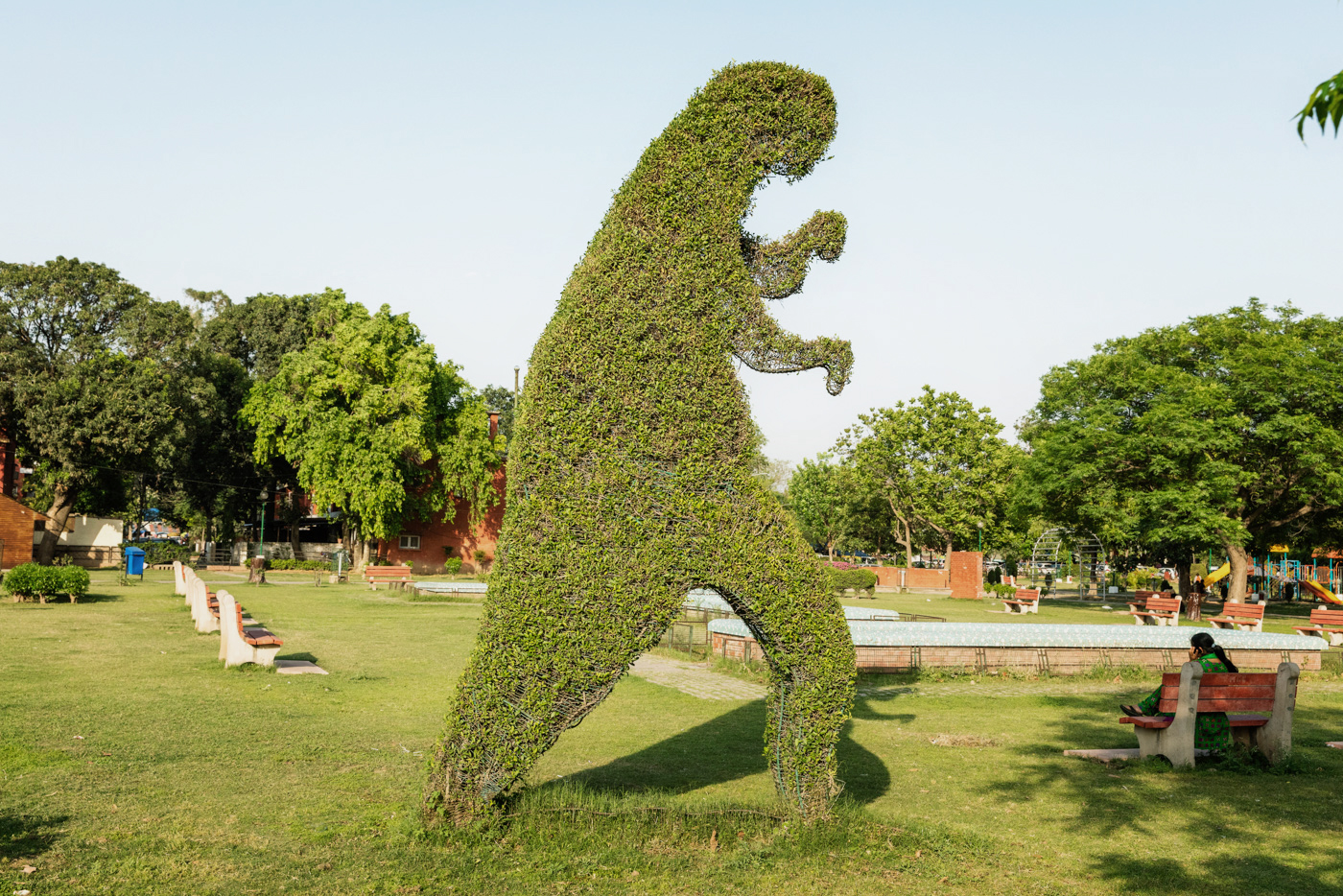
    Indien, Chandigarh, Stadt, entworfen von Le Corbusier und seinem Team in den 50er Jahren. Öffentlicher Park in Sektor 22D.Engl.:India, Chandigarh, City designed by Le Corbusier and his team in the 50s. Public Park in Sector 22D.

    +

  • Gunnar Knechtel Chandigarh, the concrete jungle

    KNECHTEL_CHANDIGARH-11

    +

  • Gunnar Knechtel Chandigarh, the concrete jungle

    KNECHTEL_CHANDIGARH-14

    +

  • Gunnar Knechtel Chandigarh, the concrete jungle

    KNECHTEL_CHANDIGARH-15

    Indien, Chandigarh, Stadt, entworfen von Le Corbusier und seinem Team in den 50er Jahren. Sector 17. Bus Station. an..Engl.:India, Chandigarh, city, designed by Le Corbusier and his team in the 50s. Sector 17. Commercial Sector. Inter state Bus terminal

    +

  • New Web_Chandigarh-1

    +

  • KNECHTEL_CHANDIGARH_WEB-

    +

Continue reading

Frontón walls in Spanish Villages

Frontón walls in Spanish Villages

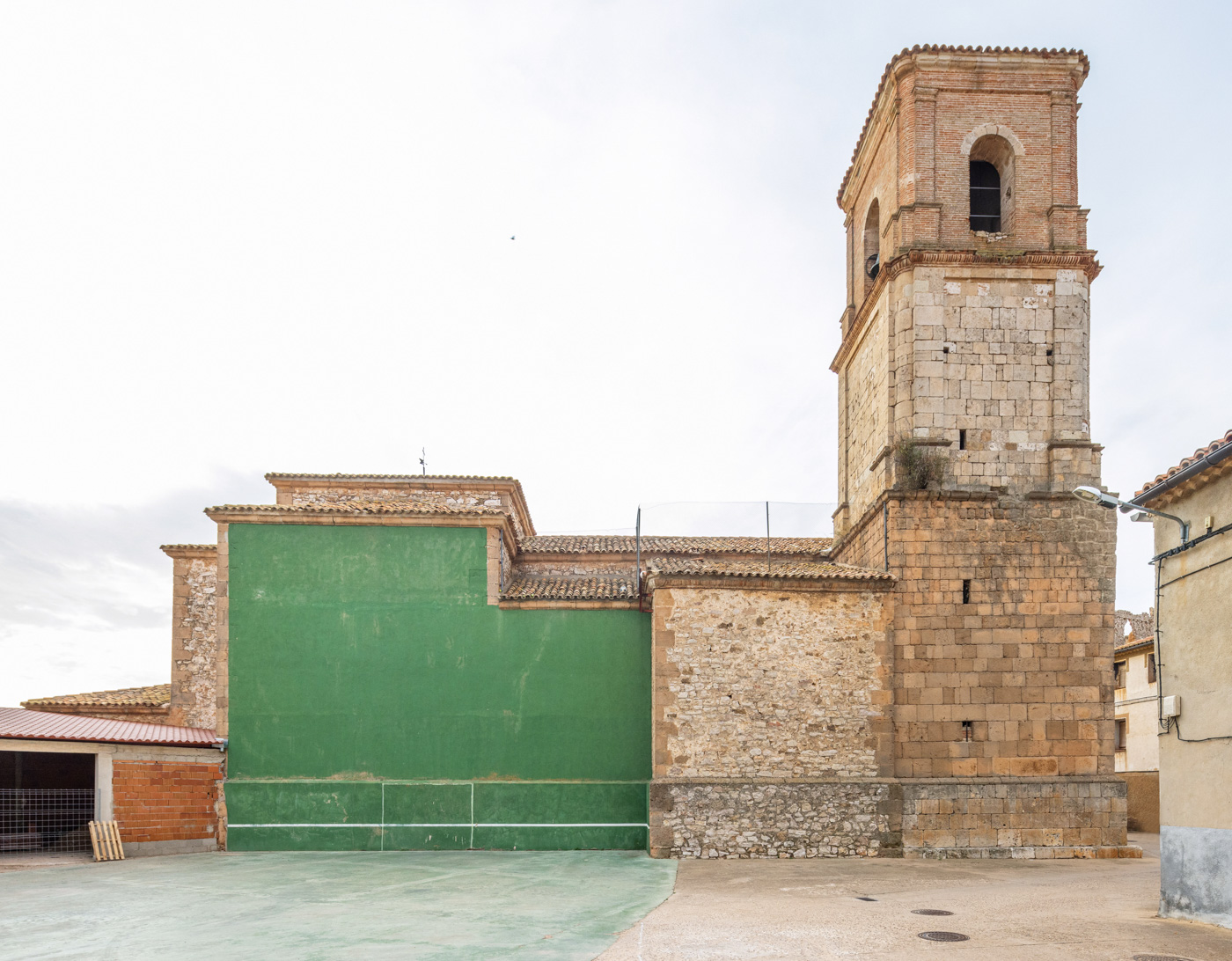
Frontón is a traditional handball game where single or double opponents compete by hitting a small rubber ball with their hands against a wall. For generations these walls have occupied a central place in village life.
Found in main squares, beside churches, attached to existing buildings, or standing alone, frontón walls are among the most distinctive elements of the rural Spain.
Between 2022 and 2024, I photographed more than one hundred frontón walls in the provinces of Soria, Zaragoza, Salamanca, Zamora, Navarra, Ávila, and other regions of the country’s interior.
Although they were built for the same game, no two frontones are alike.
Architecture, location, weather, maintenance, and use have shaped each wall differently.
Ball marks, layers of paint, repairs, cracks, and erosion have become part of their identity.
Many frontones are located in regions affected by rural depopulation.
Some continue to host matches and village festivities, while others have been repainted, refurbished, adapted to new uses, or detached from the activity that originally defined them.
Yet they remain a recognisable presence within the landscape.
Photographed under neutral light, the walls can be read as architecture, sculpture, and image.
Seen together, they reveal how time acts upon a shared structure, gradually shaping each frontón into a distinct presence within the landscape. 

Solo Exhibition:
Frontones en pueblos de España

10 July – 31 August 2026
Palacio de la Audiencia, Soria
Organized by the Centro Nacional de Fotografía in collaboration with the Ayuntamiento de Soria.
The Official exhibition page:link

  • +

  • Frontón Gunnar Knecktel

    KNECHTEL_FRONTON-1

    +

  • KNECHTEL_FRONTON-10

    +

  • Frontón Gunnar Knecktel

    KNECHTEL_FRONTON-2

    +

  • Frontón Gunnar Knecktel

    KNECHTEL_FRONTON-3

    +

  • Frontón Gunnar Knecktel

    KNECHTEL_FRONTON-4

  • Frontón Gunnar Knecktel

    KNECHTEL_FRONTON-5

    +

  • KNECHTEL_FRONTON-6

    +

  • KNECHTEL_FRONTON-7

    +

  • Frontón Gunnar Knecktel

    KNECHTEL_FRONTON-8

    +

  • Frontón Gunnar Knecktel

    KNECHTEL_FRONTON-9

    Fronton is a simple handball game where either single or double opponents try to outplay each other by hitting a small rubber ball with their hands against a wall.What once was a space for social gatherings of the rural population, an enjoyment of a play

    +

  • KNECHTEL_FRONTON-11

    +

  • KNECHTEL_FRONTON-12

    Fronton is a simple handball game where either single or double opponents try to outplay each other by hitting a small rubber ball with their hands against a wall.What once was a space for social gatherings of the rural population, an enjoyment of a play

    +

  • KNECHTEL_FRONTON-13

    +

  • KNECHTEL_FRONTON-14

    Fronton is a simple handball game where either single or double opponents try to outplay each other by hitting a small rubber ball with their hands against a wall.What once was a space for social gatherings of the rural population, an enjoyment of a play

    +

  • KNECHTEL_FRONTON-15

    +

  • KNECHTEL_FRONTON-16

    +

  • KNECHTEL_FRONTON-17

    +

  • KNECHTEL_FRONTON-18

    +

  • KNECHTEL_FRONTON-19

    +

  • KNECHTEL_FRONTON-20

    +

  • KNECHTEL_FRONTON-22

    +

  • +

  • KNECHTEL_FRONTON_WEB-22

    +

  • KNECHTEL_FRONTON_WEB-16

    +

  • KNECHTEL_FRONTON_WEB-18

    +

  • KNECHTEL_FRONTON_WEB-17

    +

  • +

  • KNECHTEL_FRONTON_WEB-2

    +

  • KNECHTEL_FRONTON_WEB-20

    +

  • KNECHTEL_FRONTON_WEB-21-2

    +

  • KNECHTEL_FRONTON_WEB-21

    +

  • KNECHTEL_FRONTON_WEB-19

    +

  • KNECHTEL_FRONTON_WEB-20-2

    +

Continue reading

Persistent Forms: Ruins and Sacred Stones across Europe

Persistent Forms

Ruins and Sacred Stones across Europe

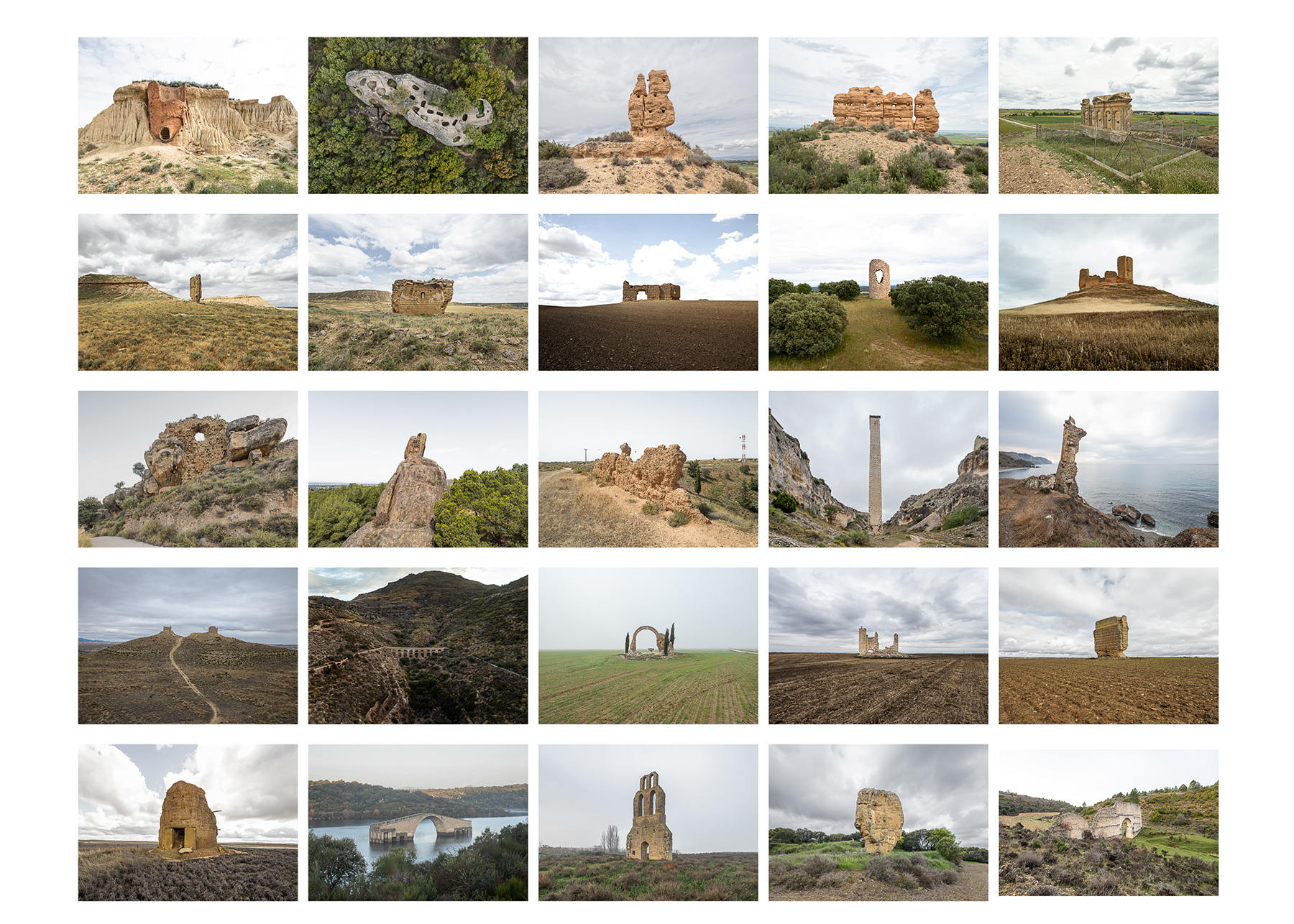
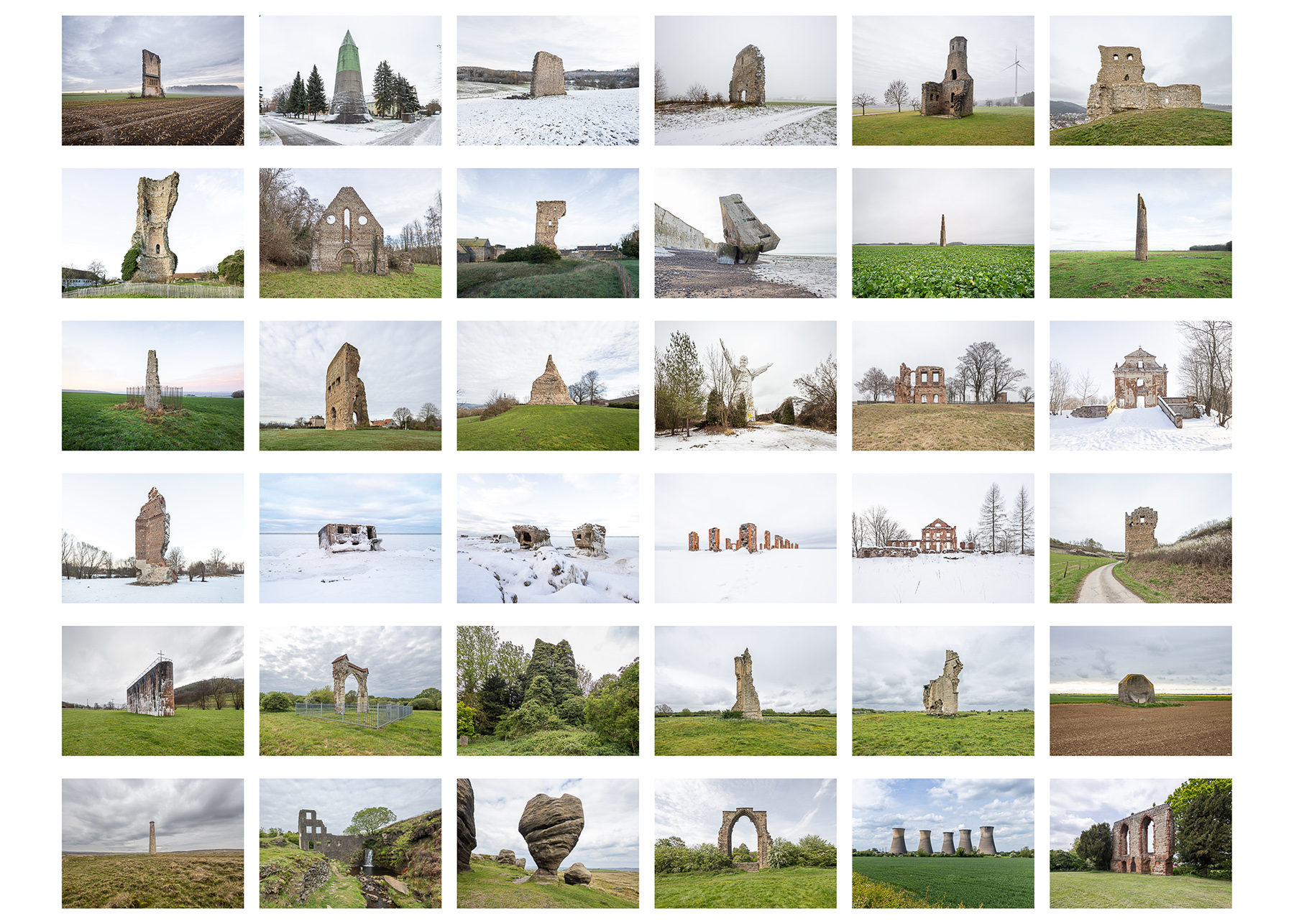
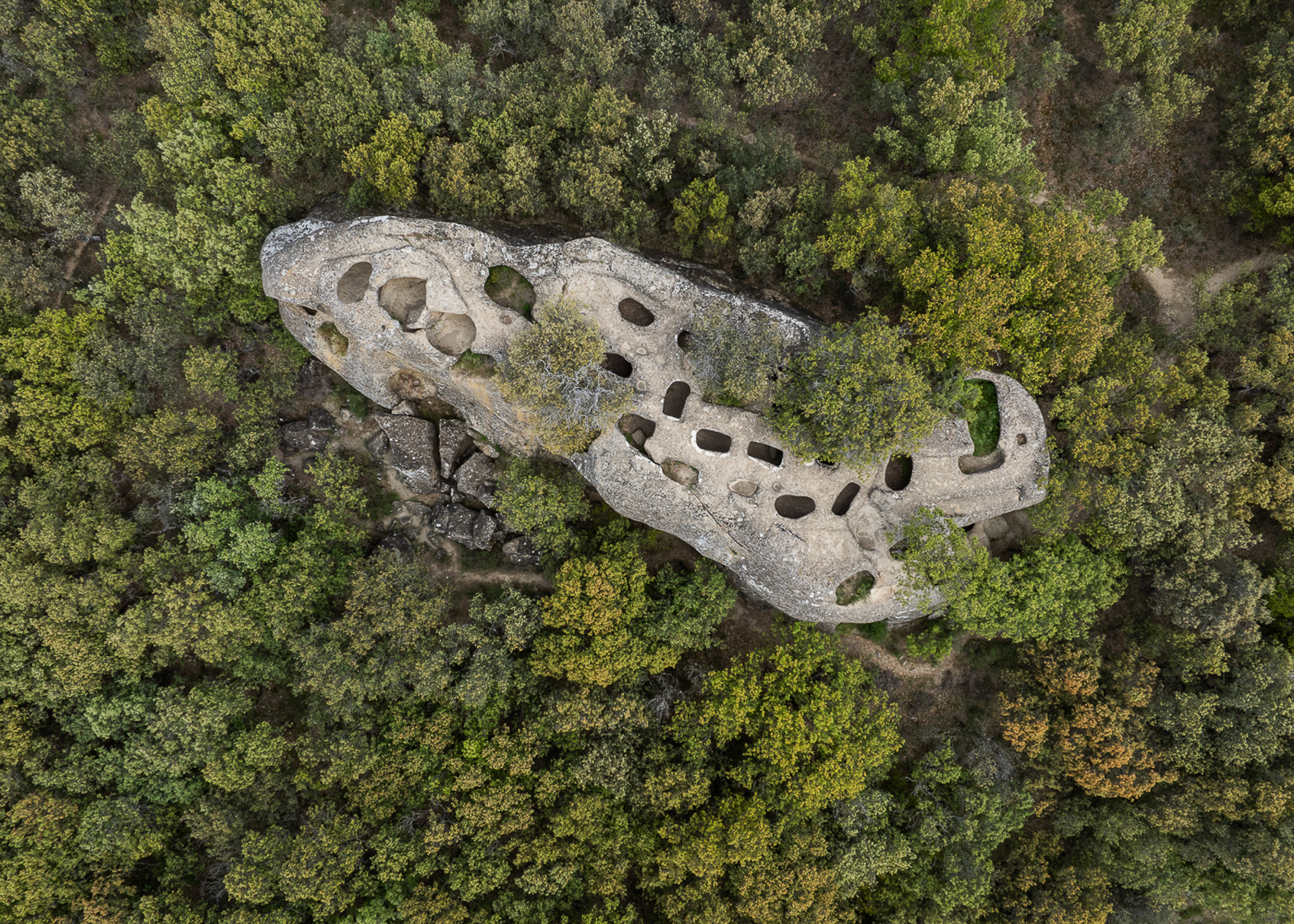
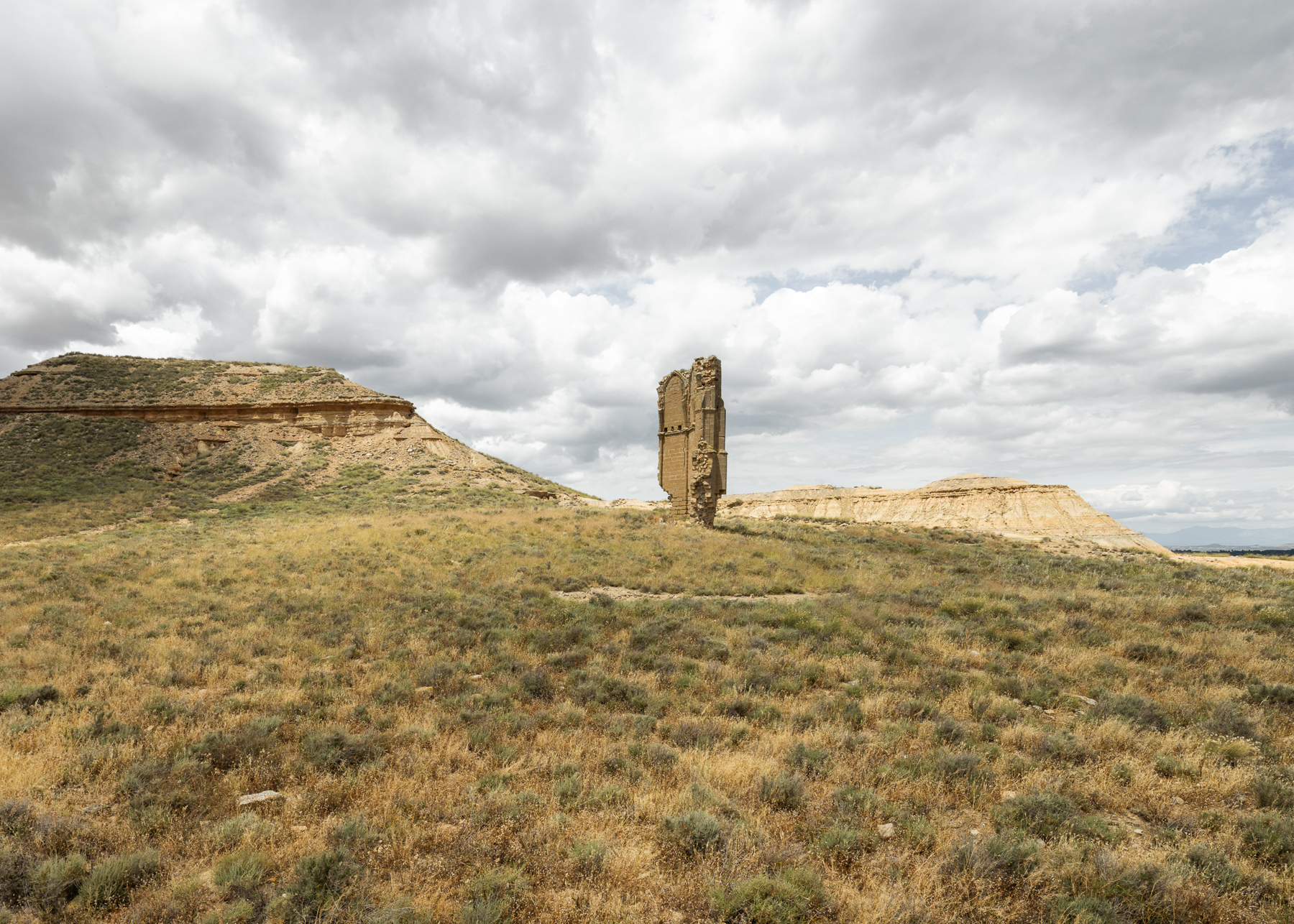
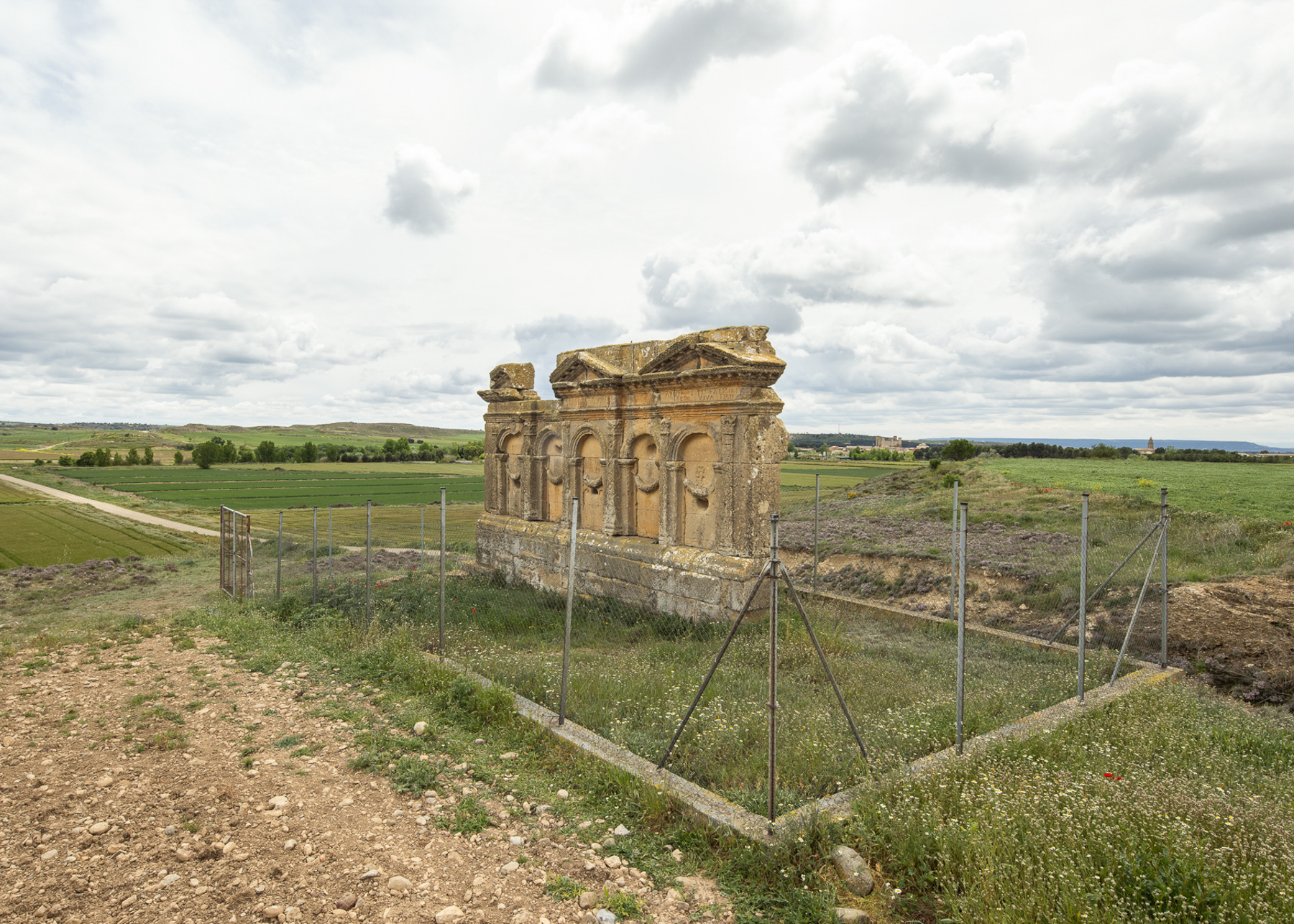
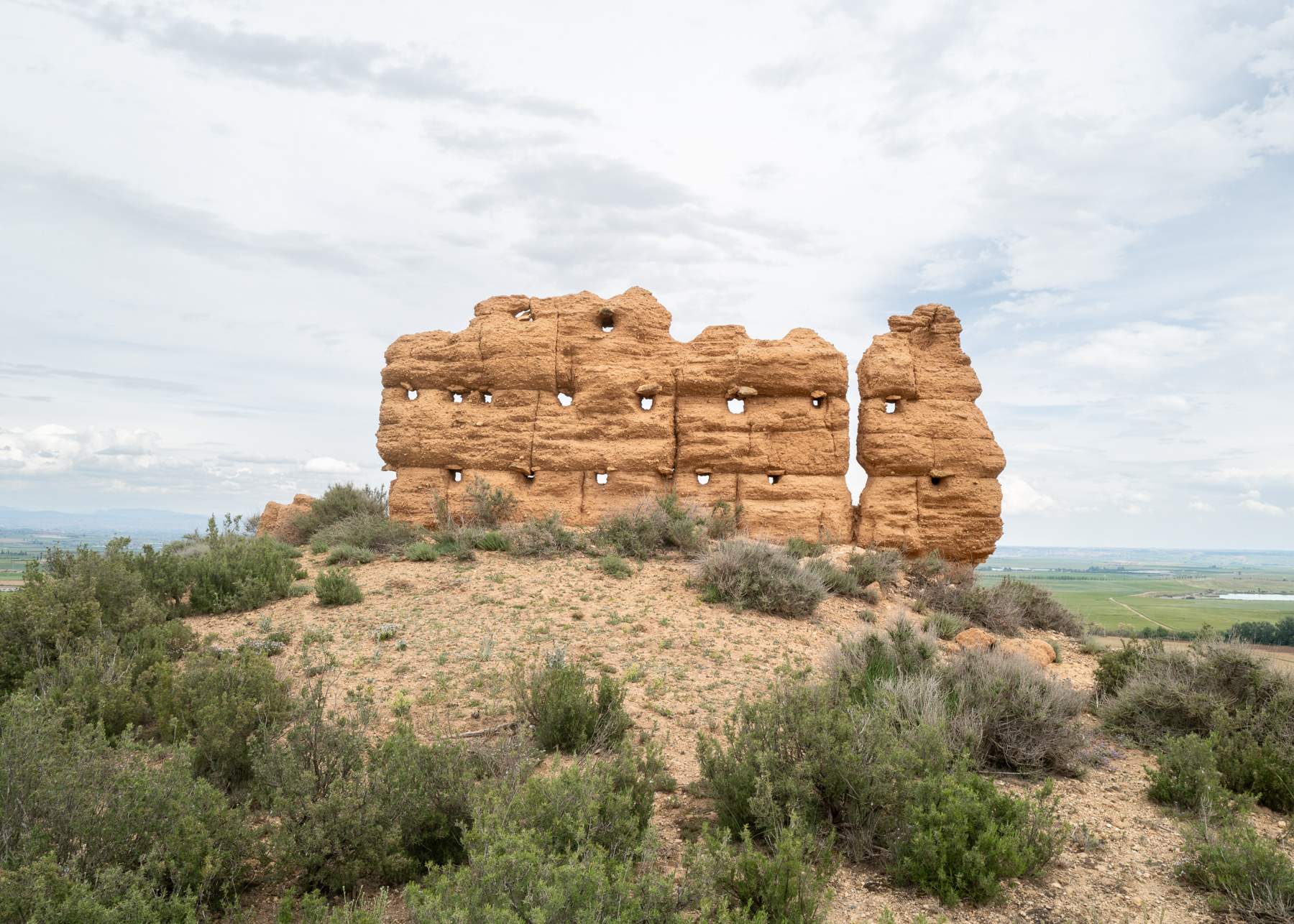
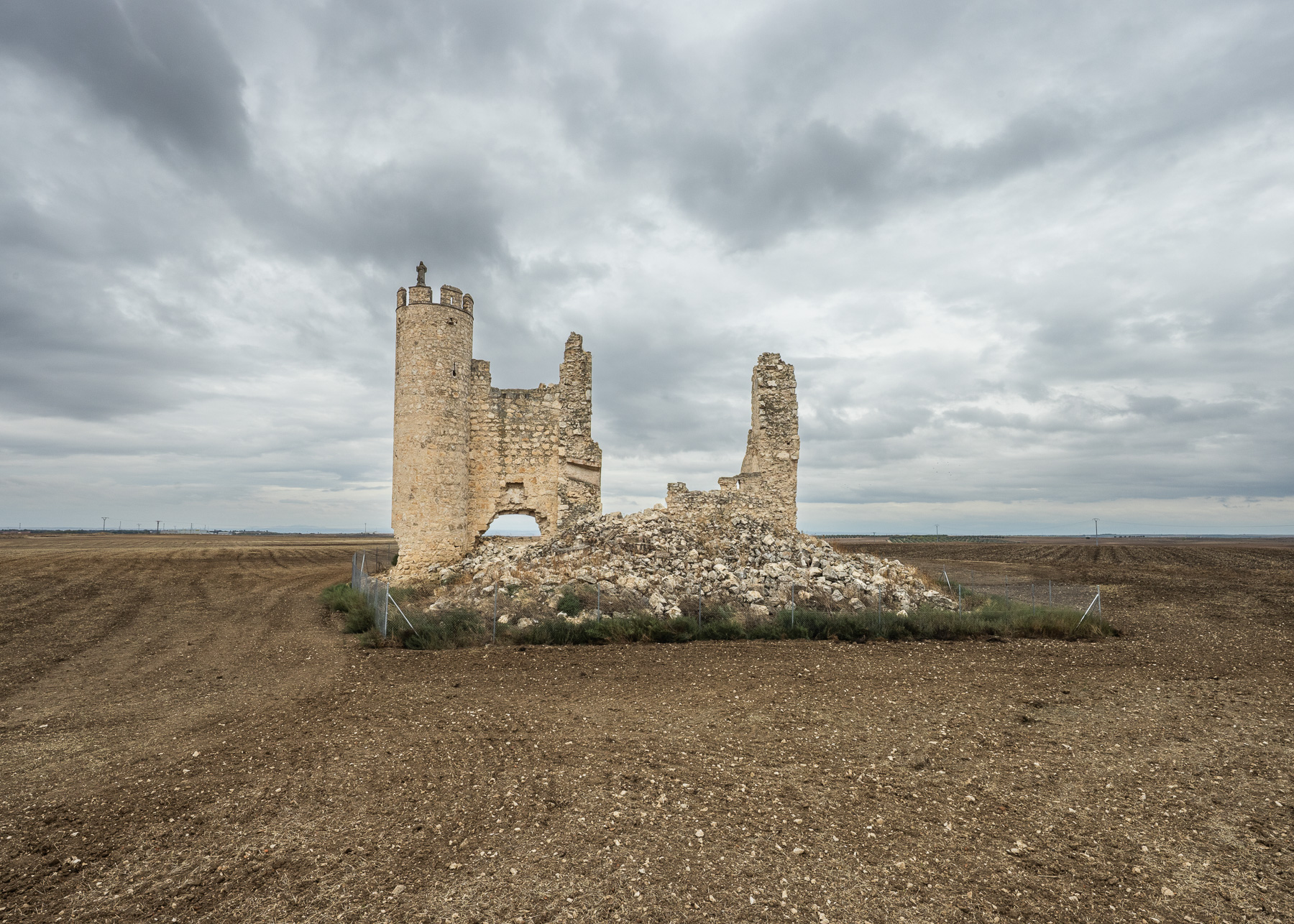
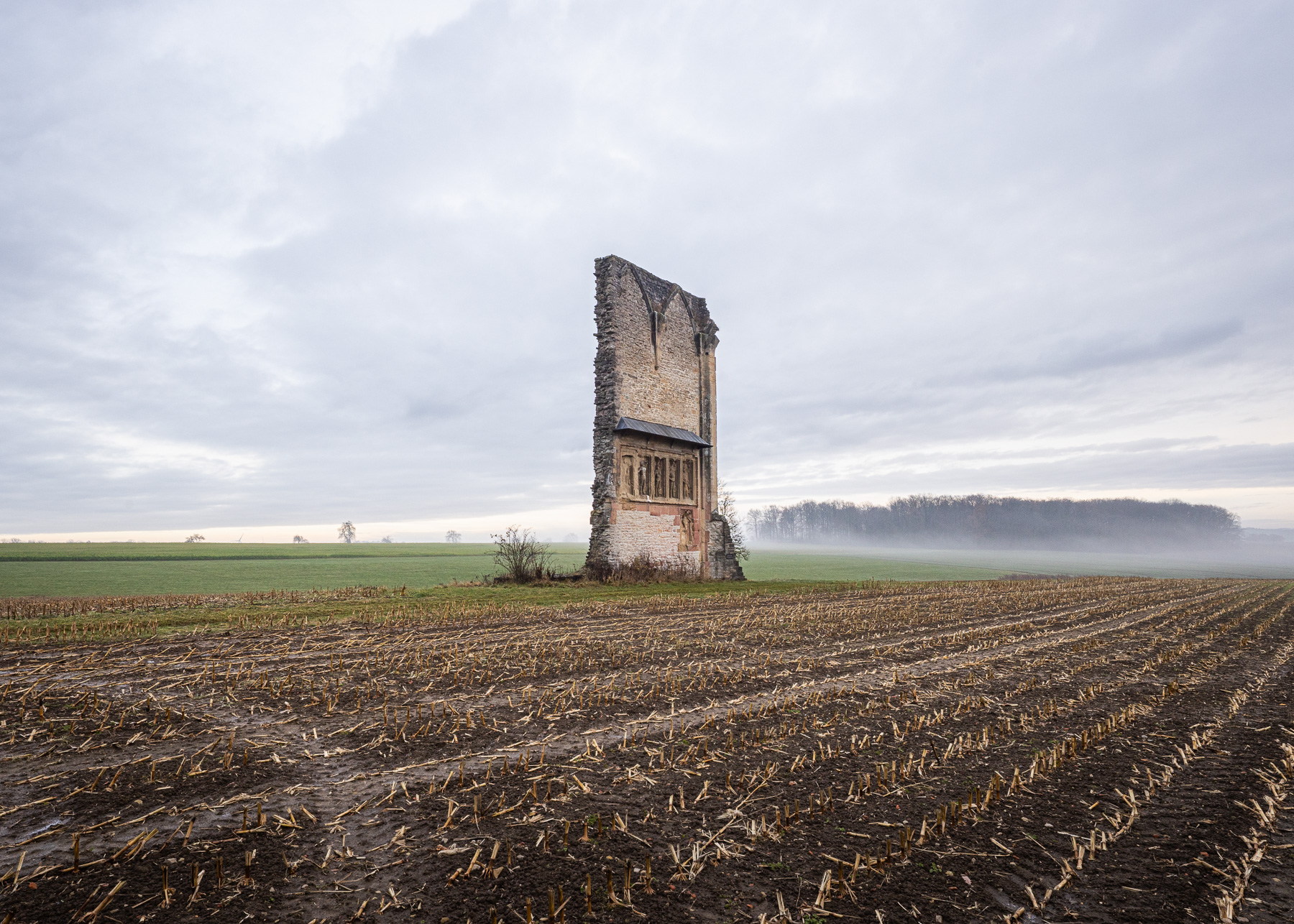
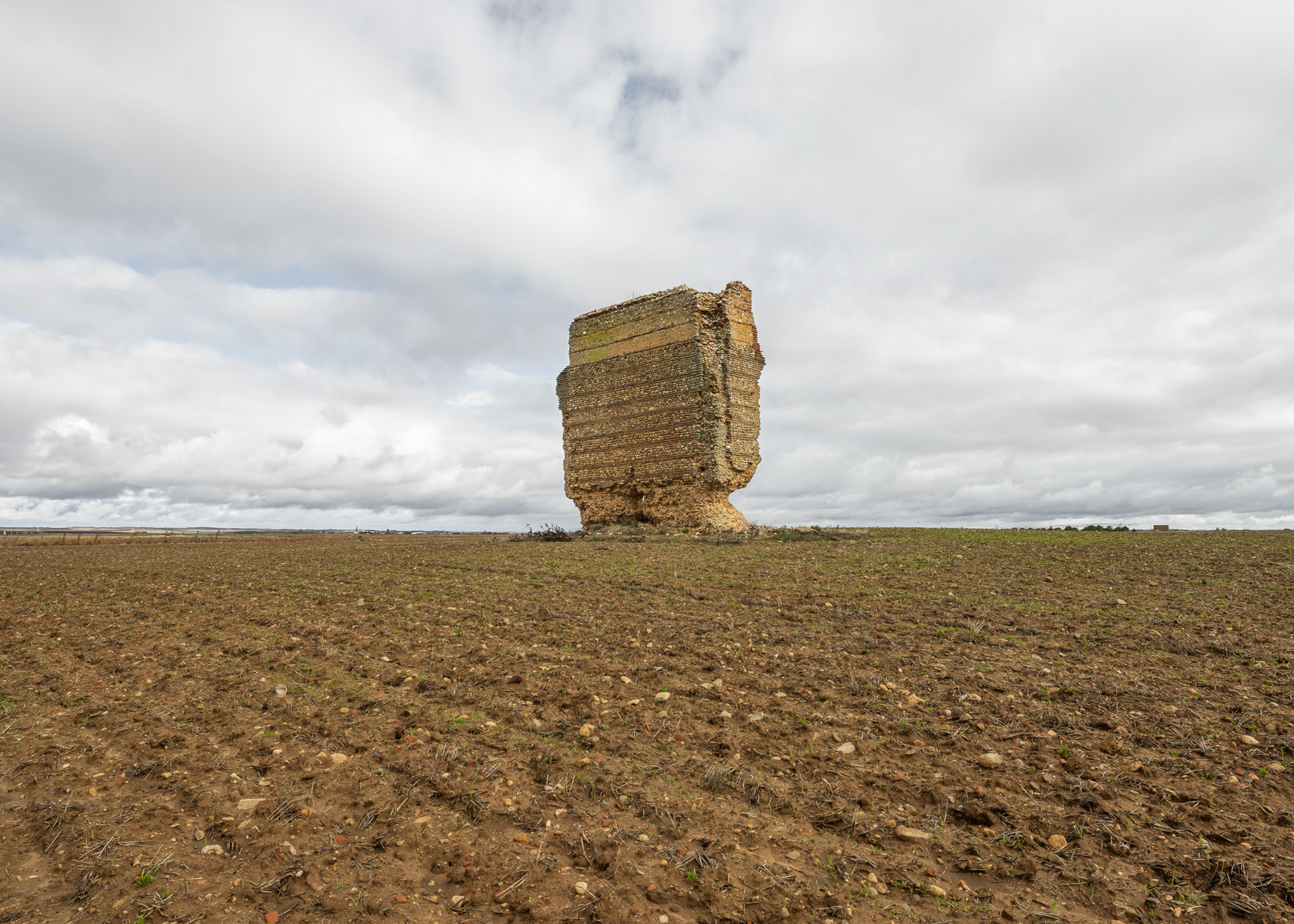
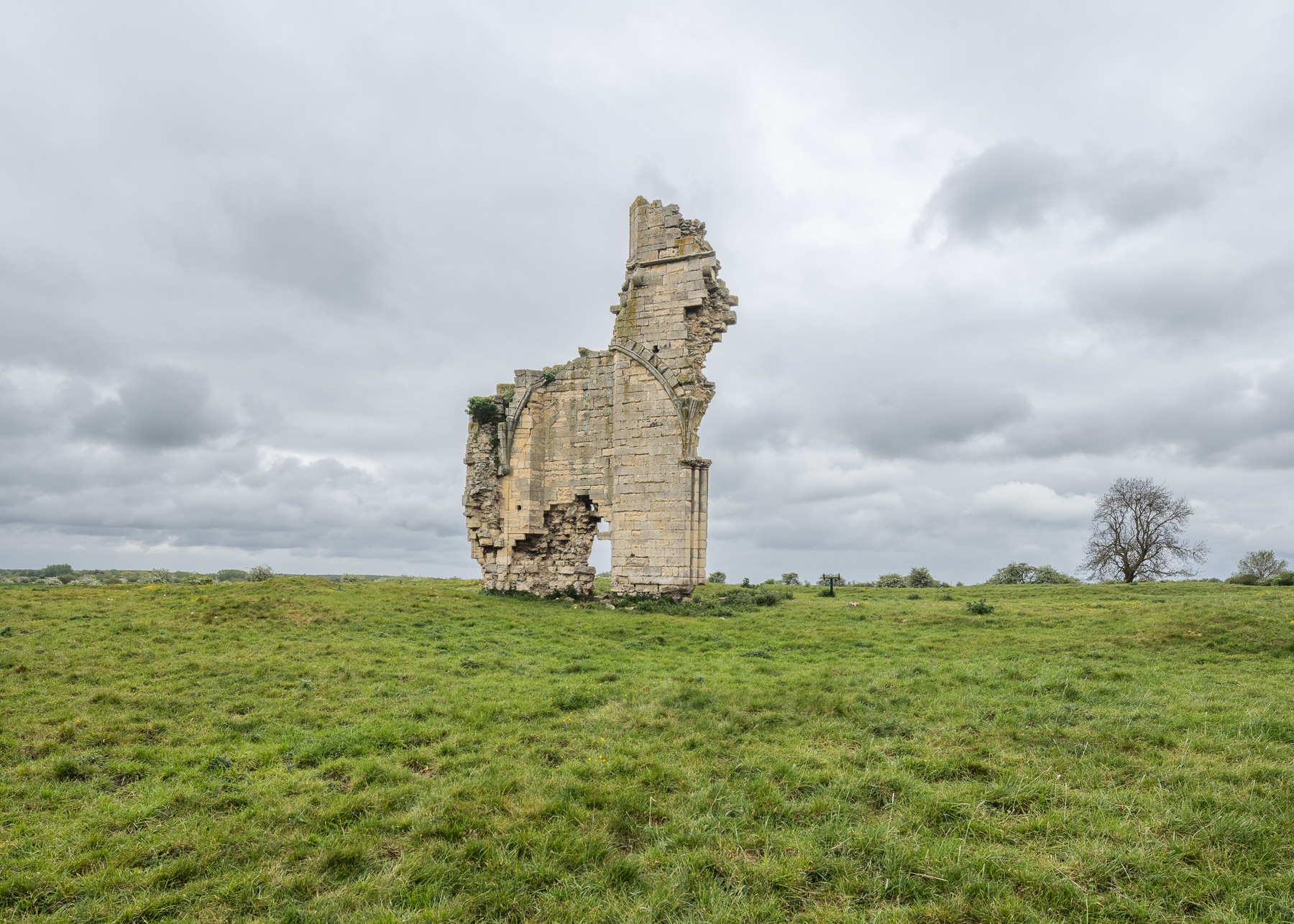
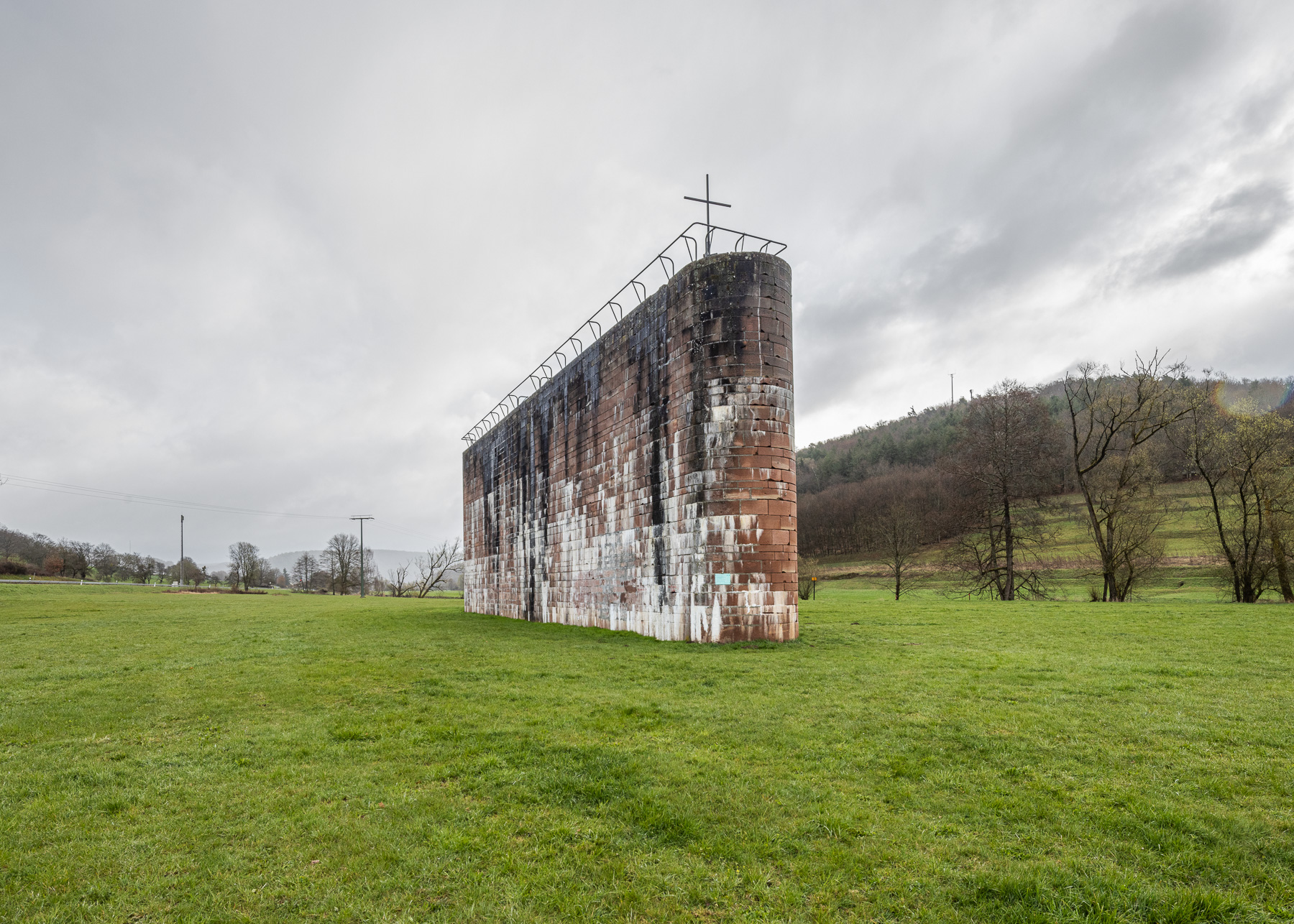
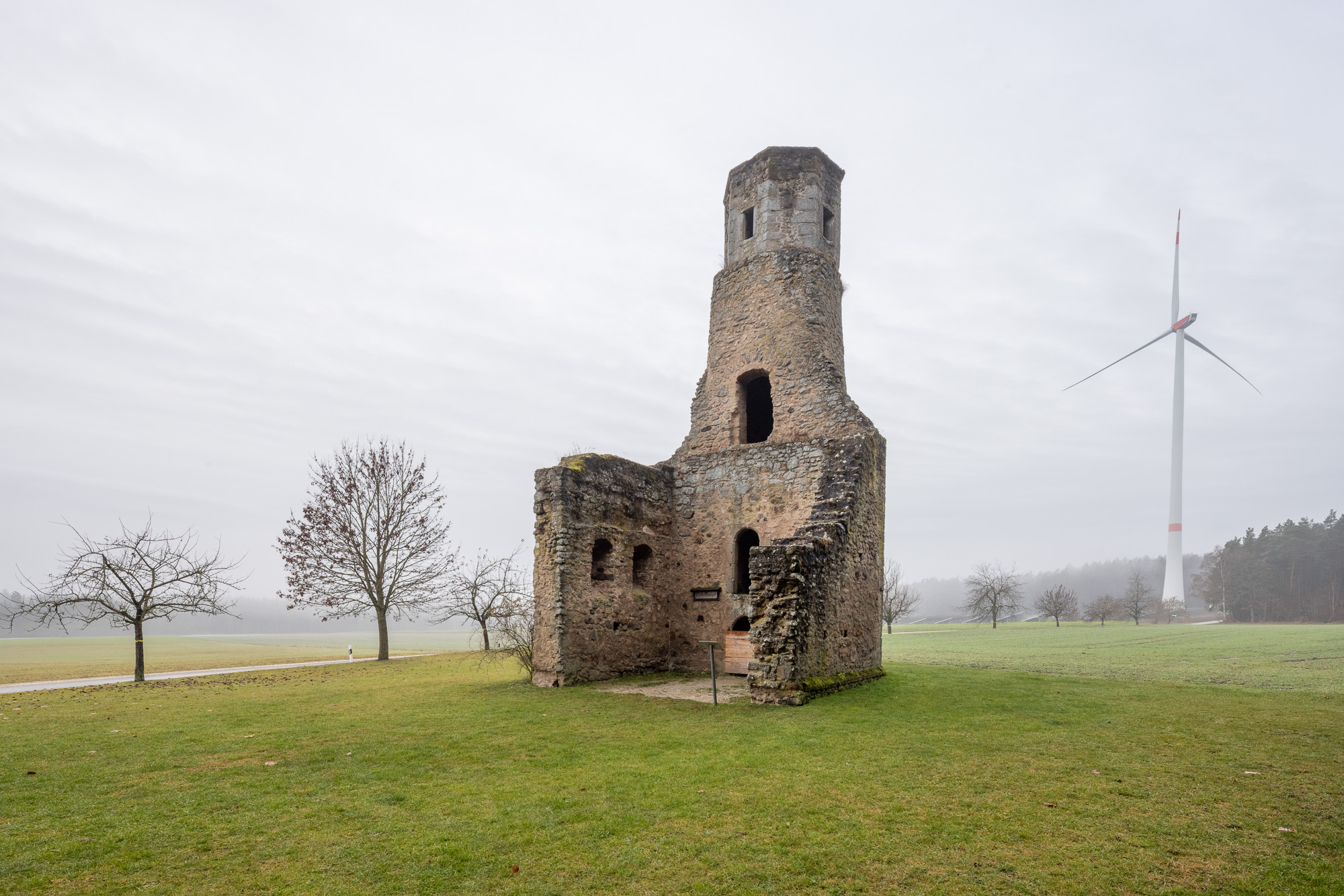
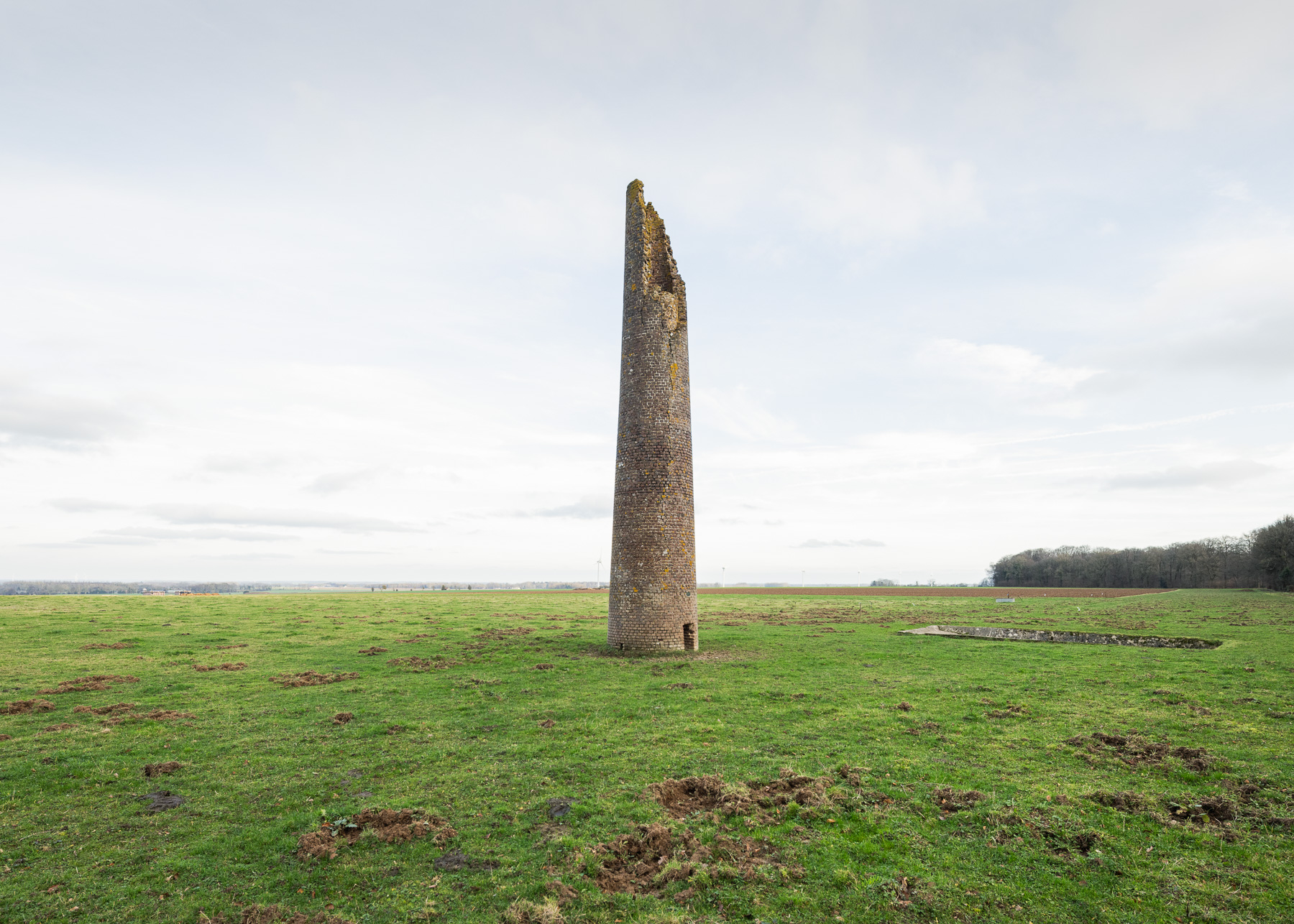
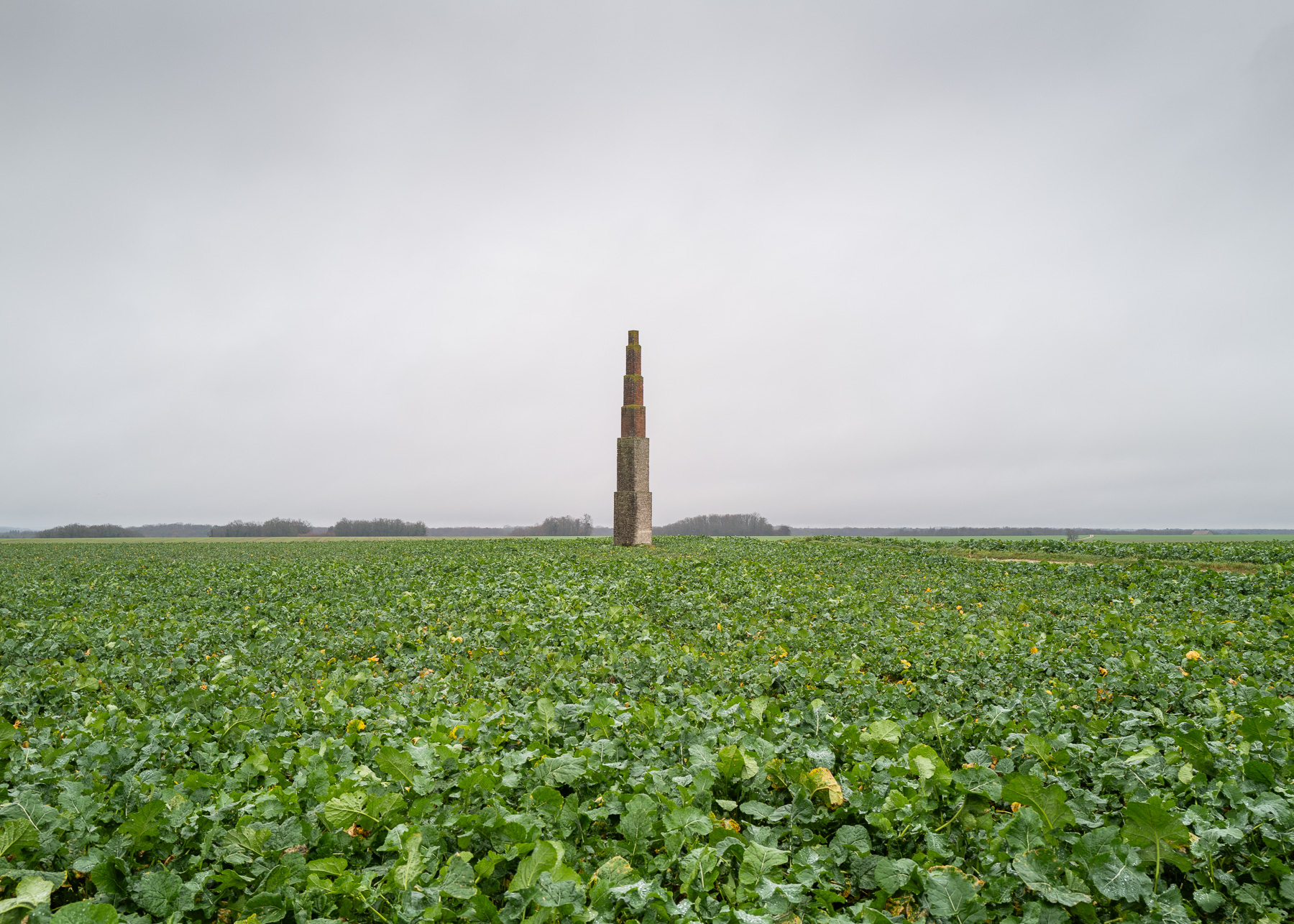
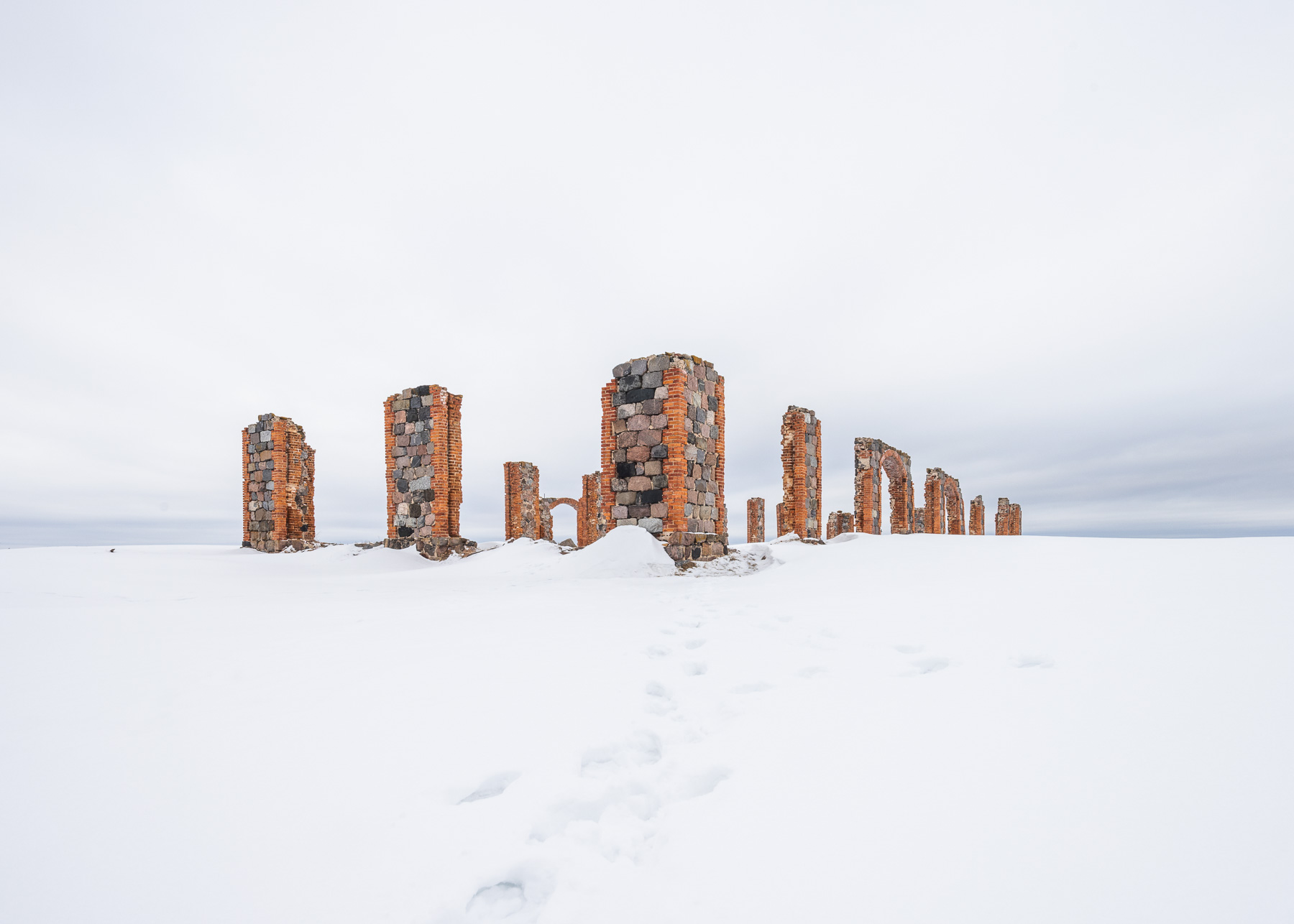
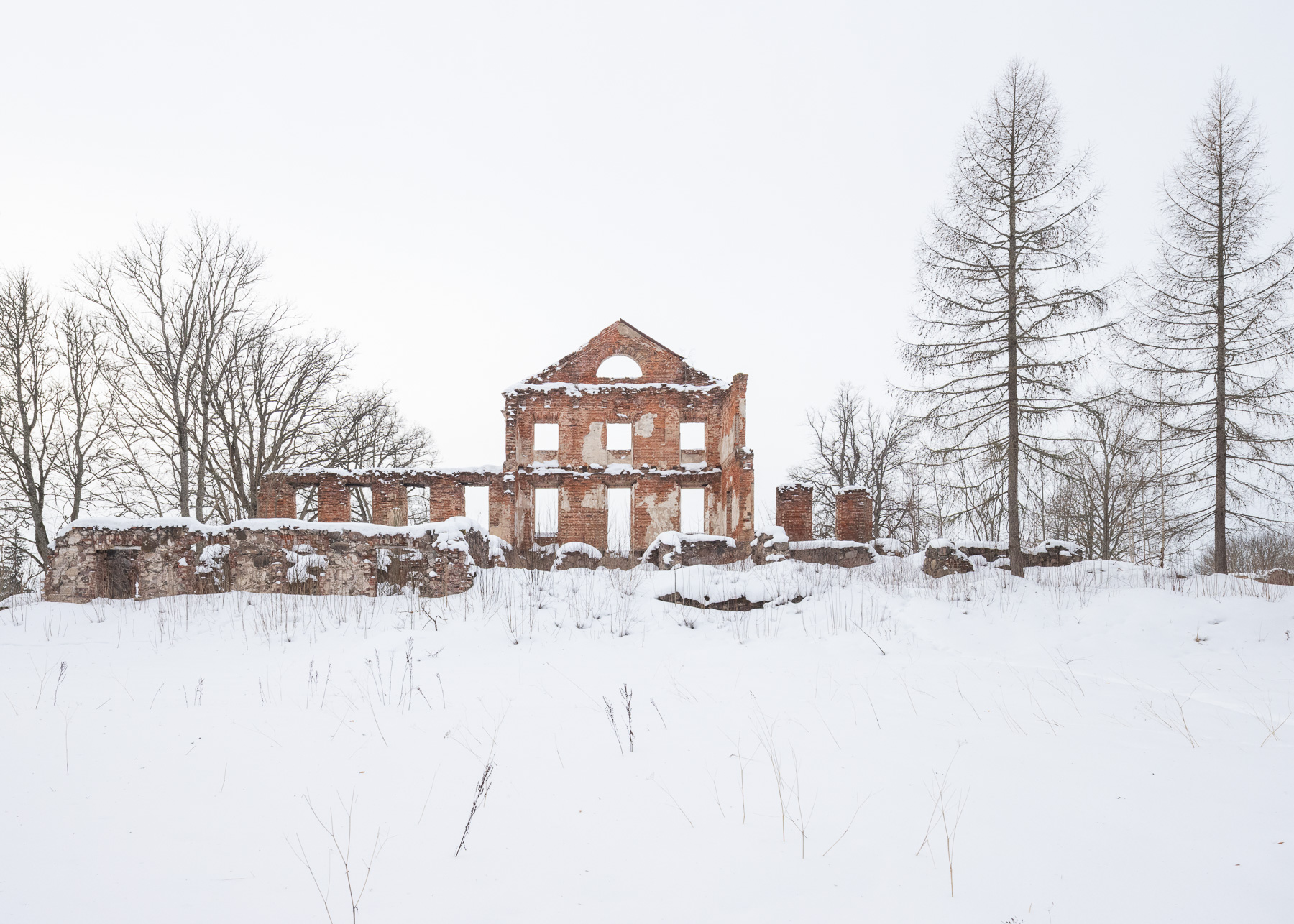
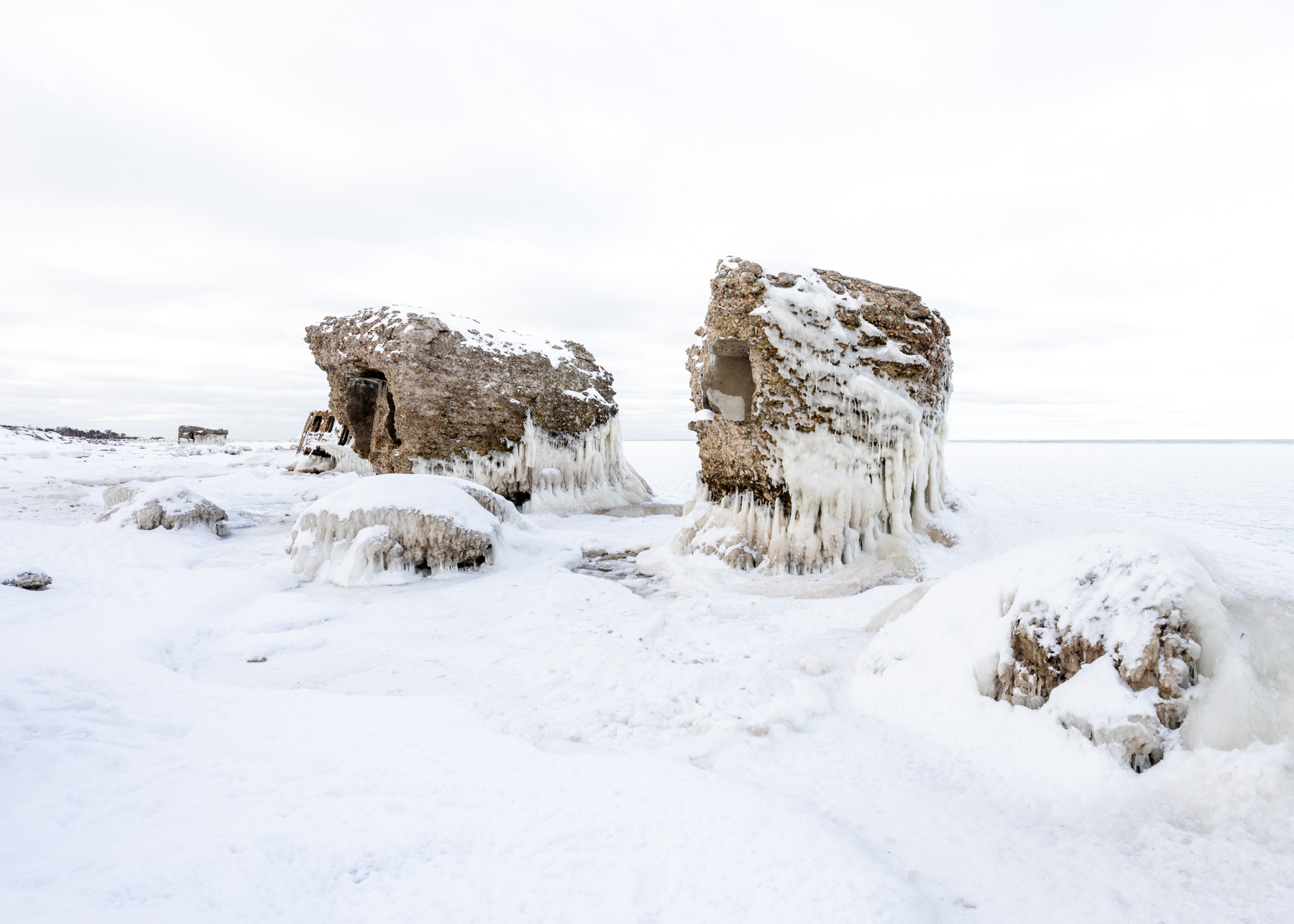
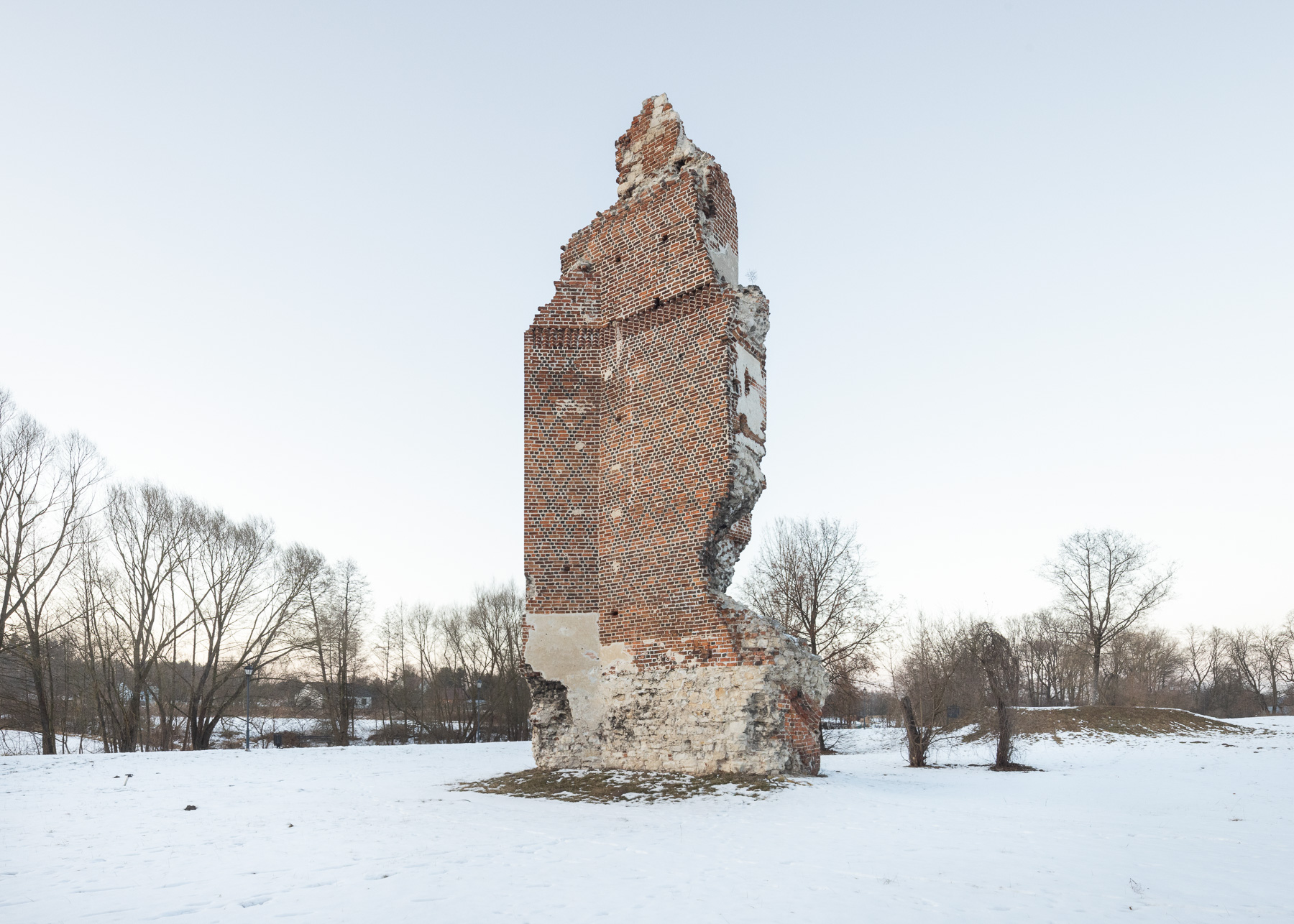
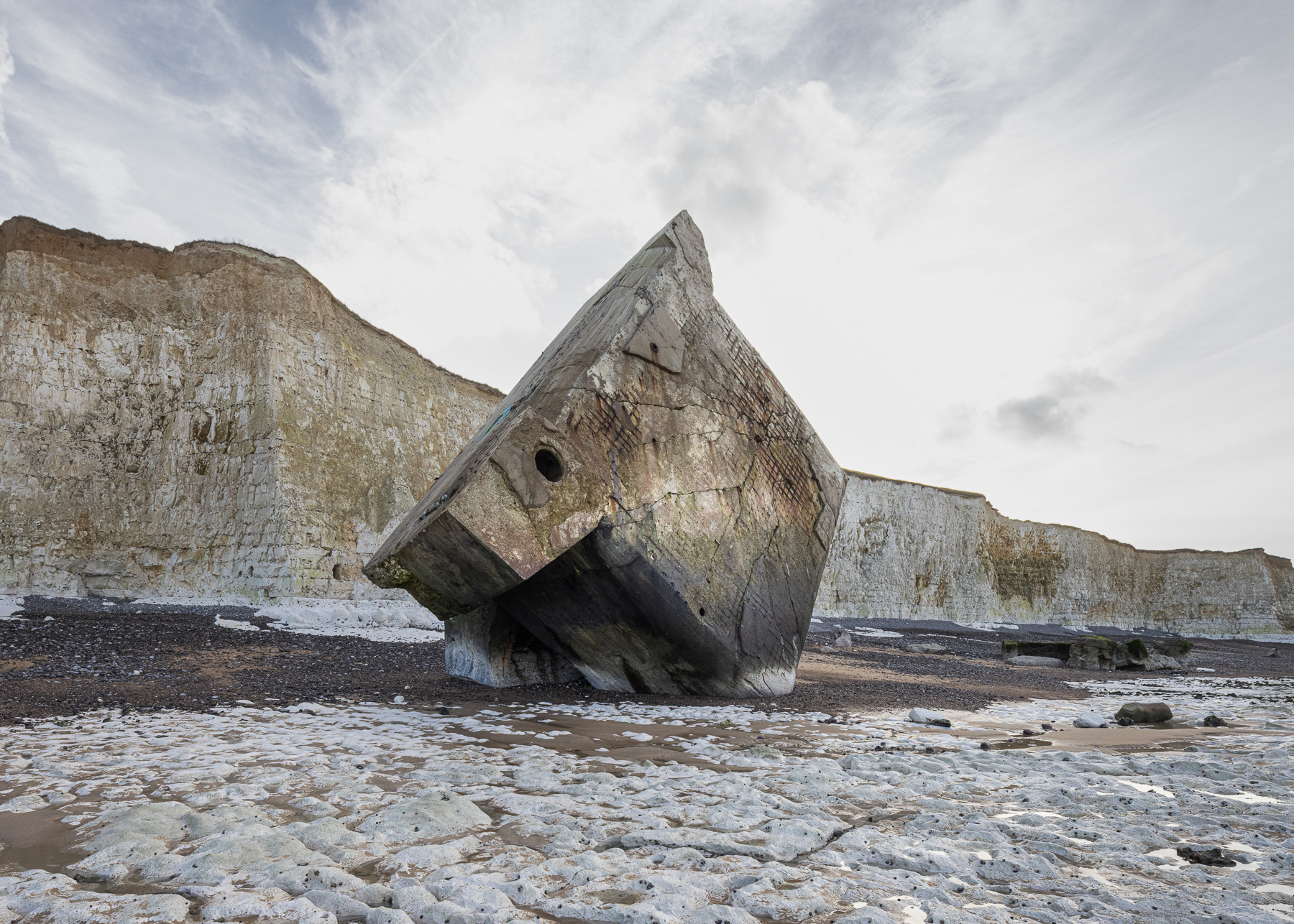
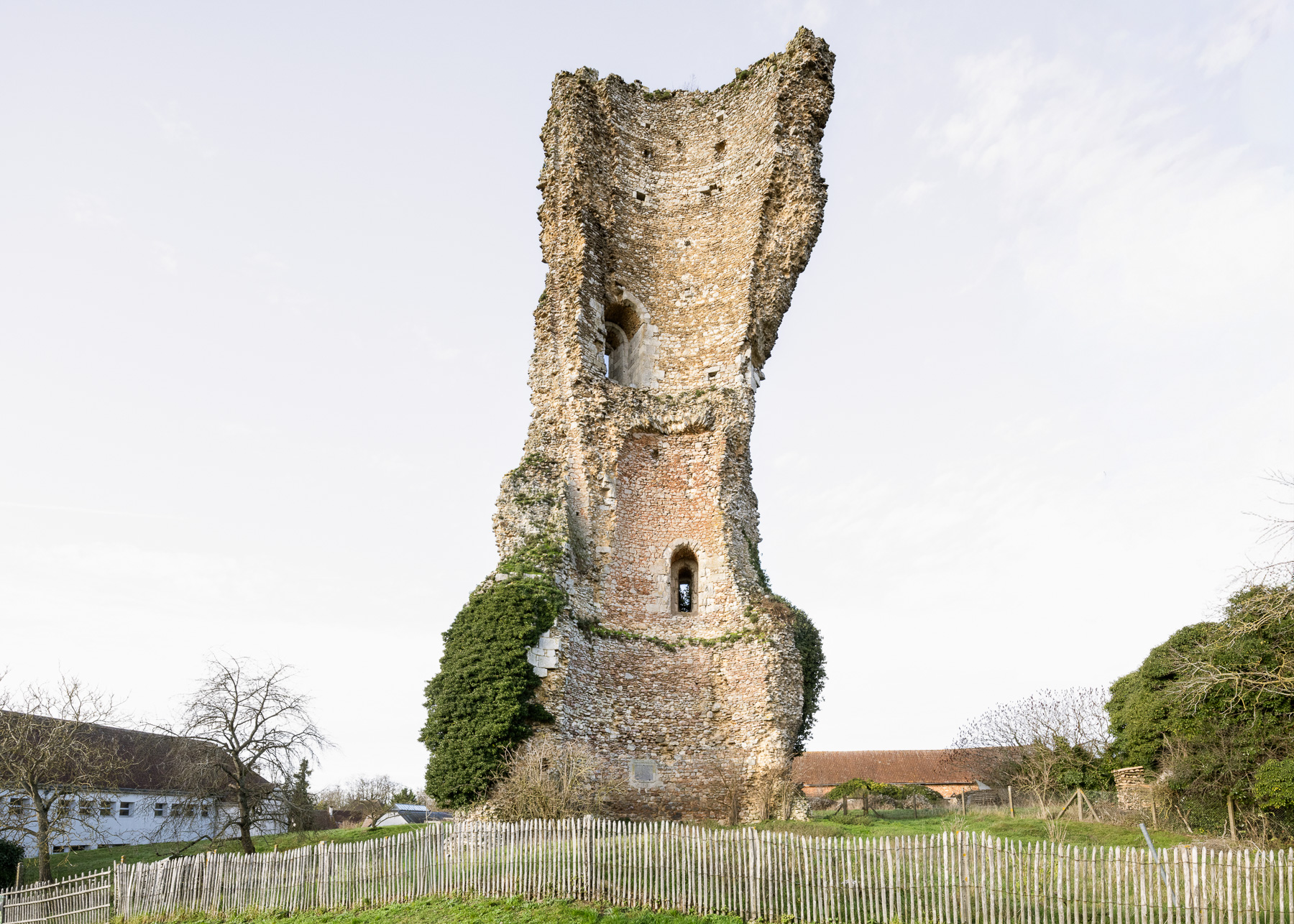
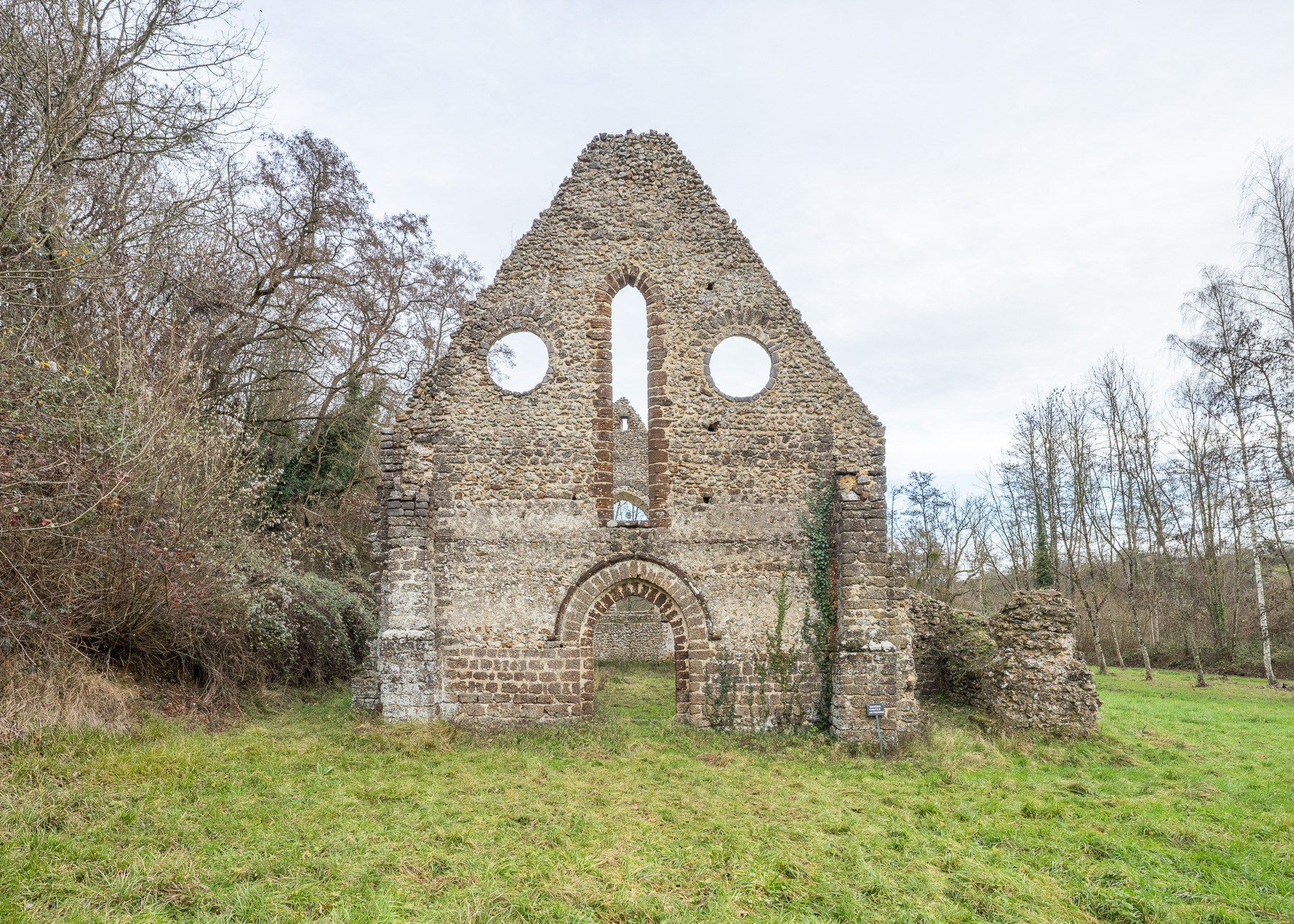
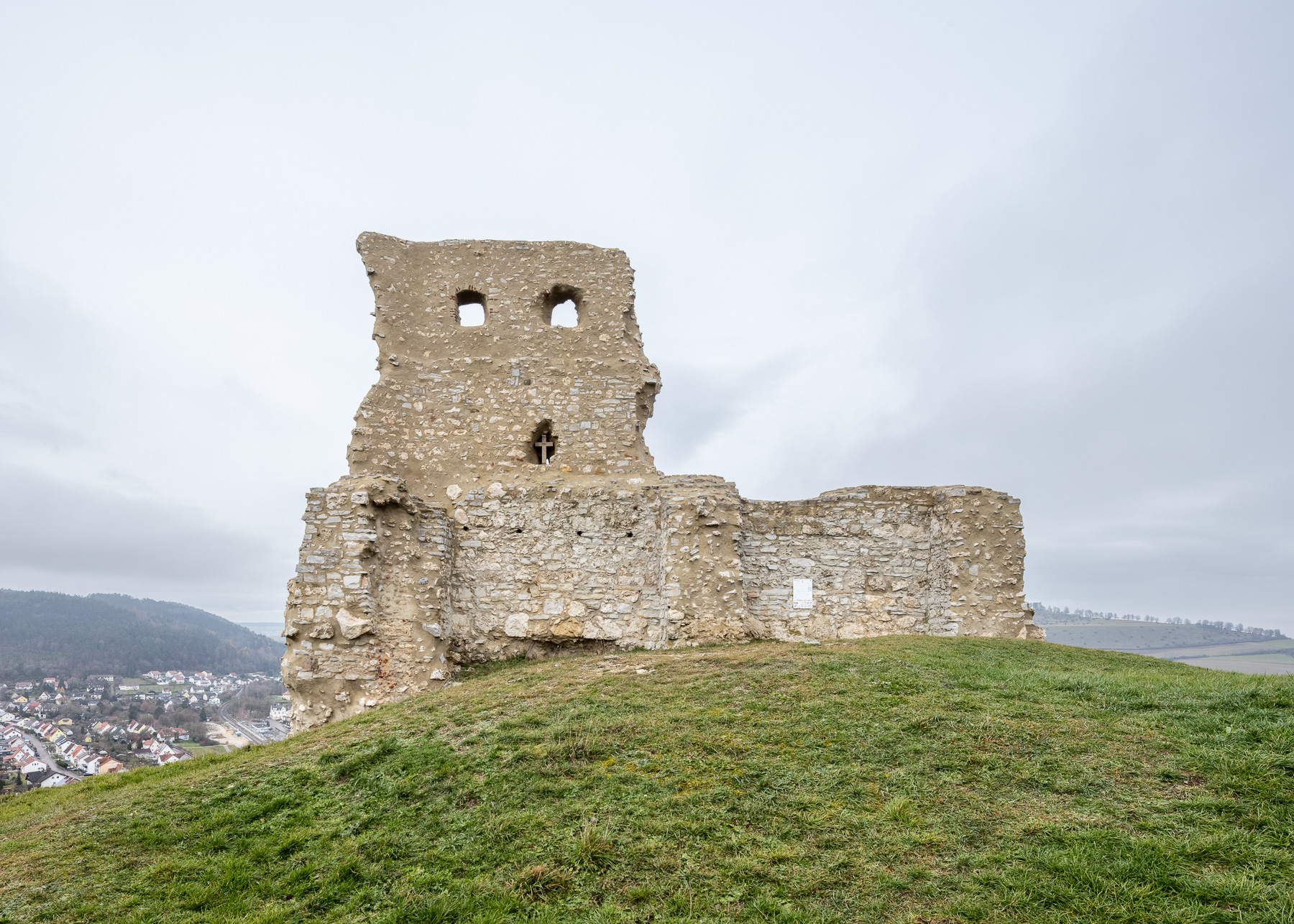
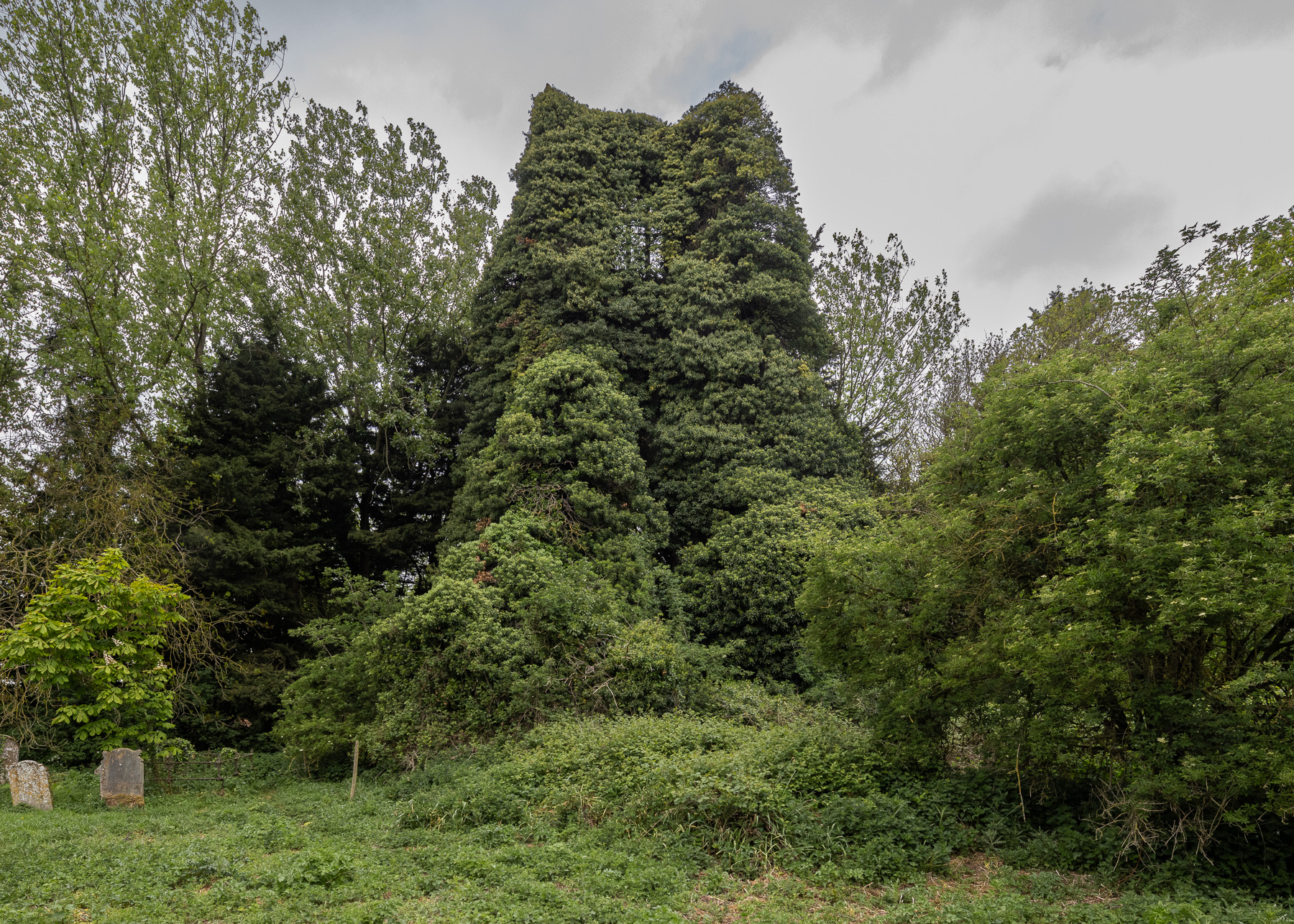
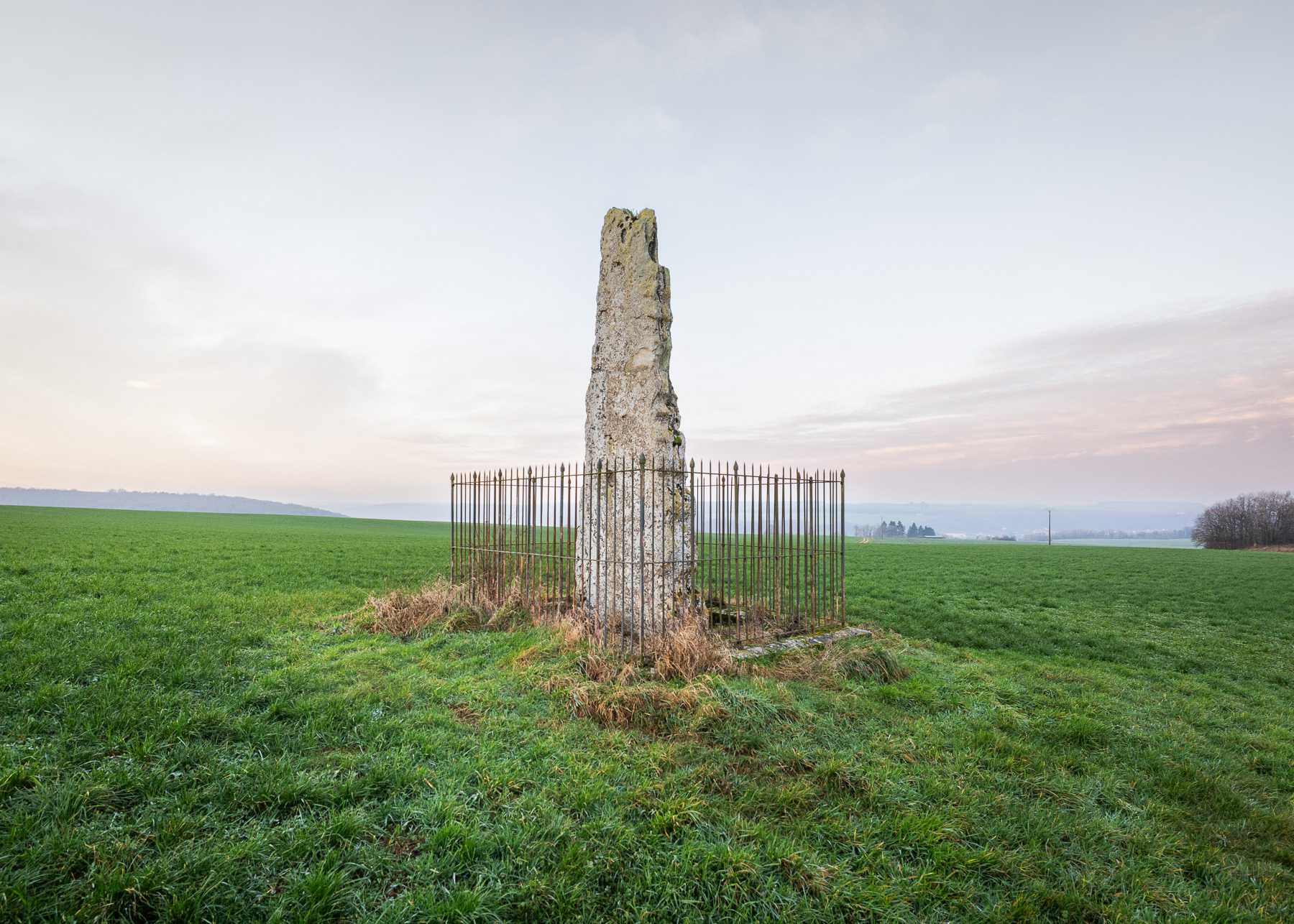
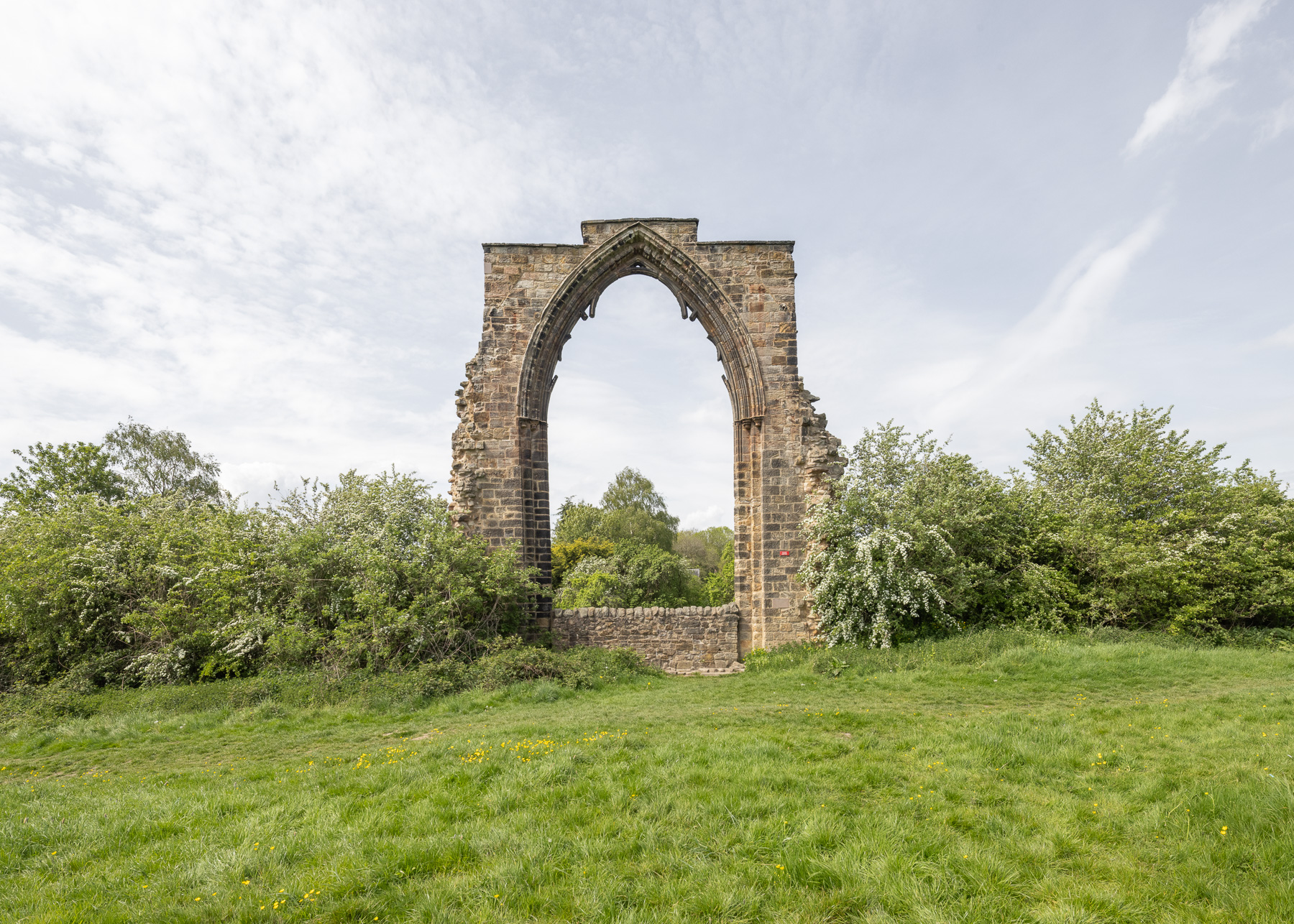
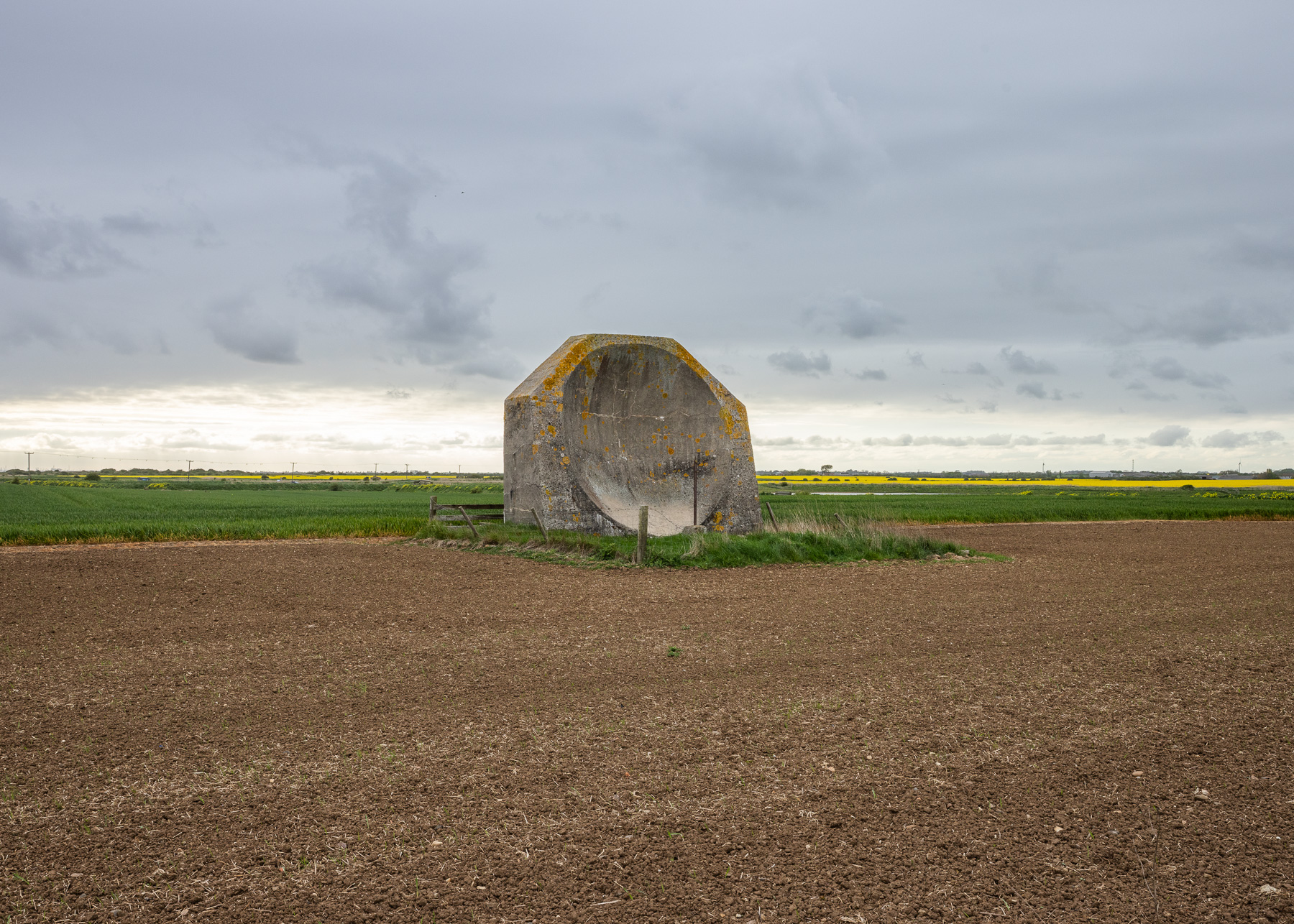
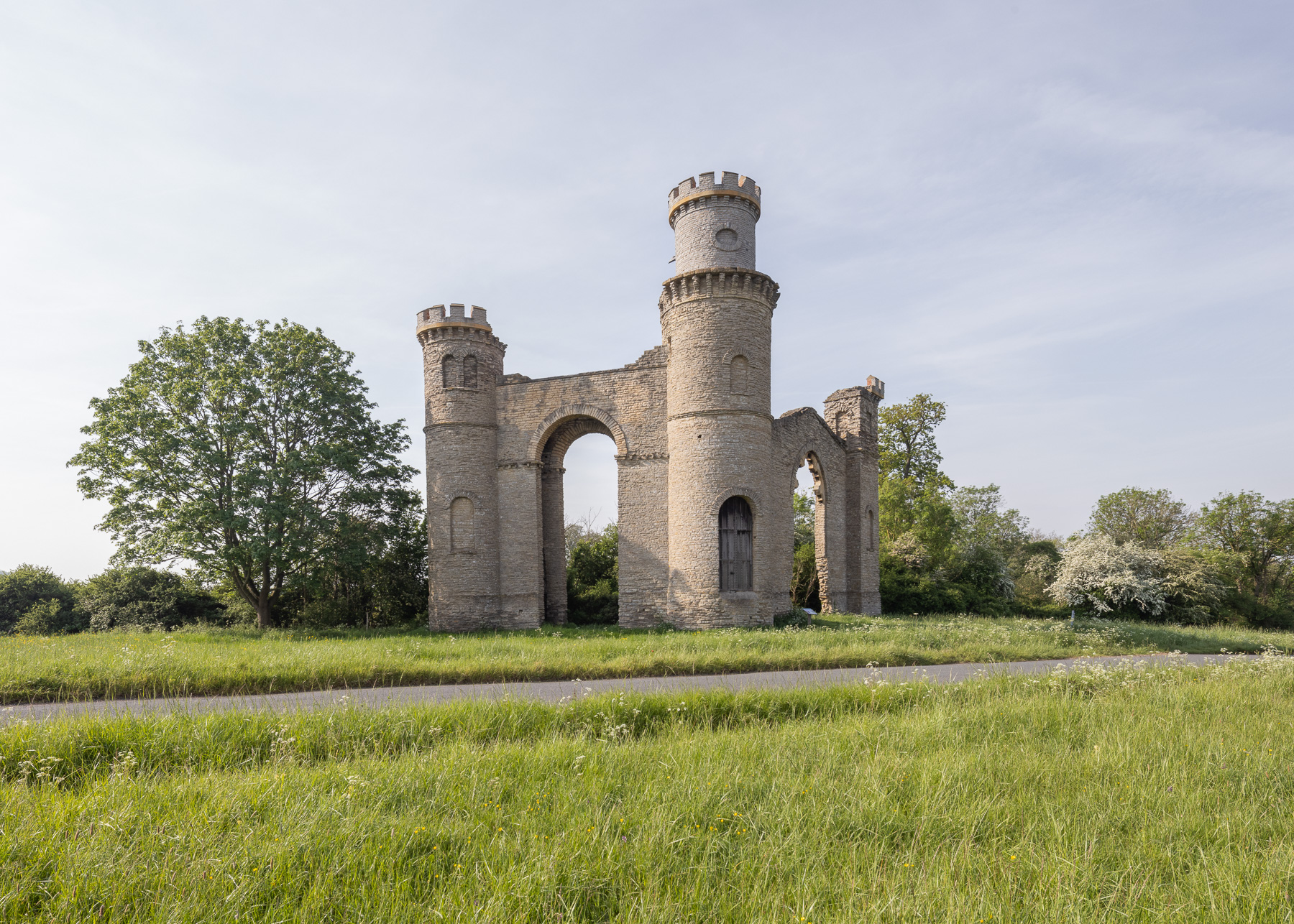
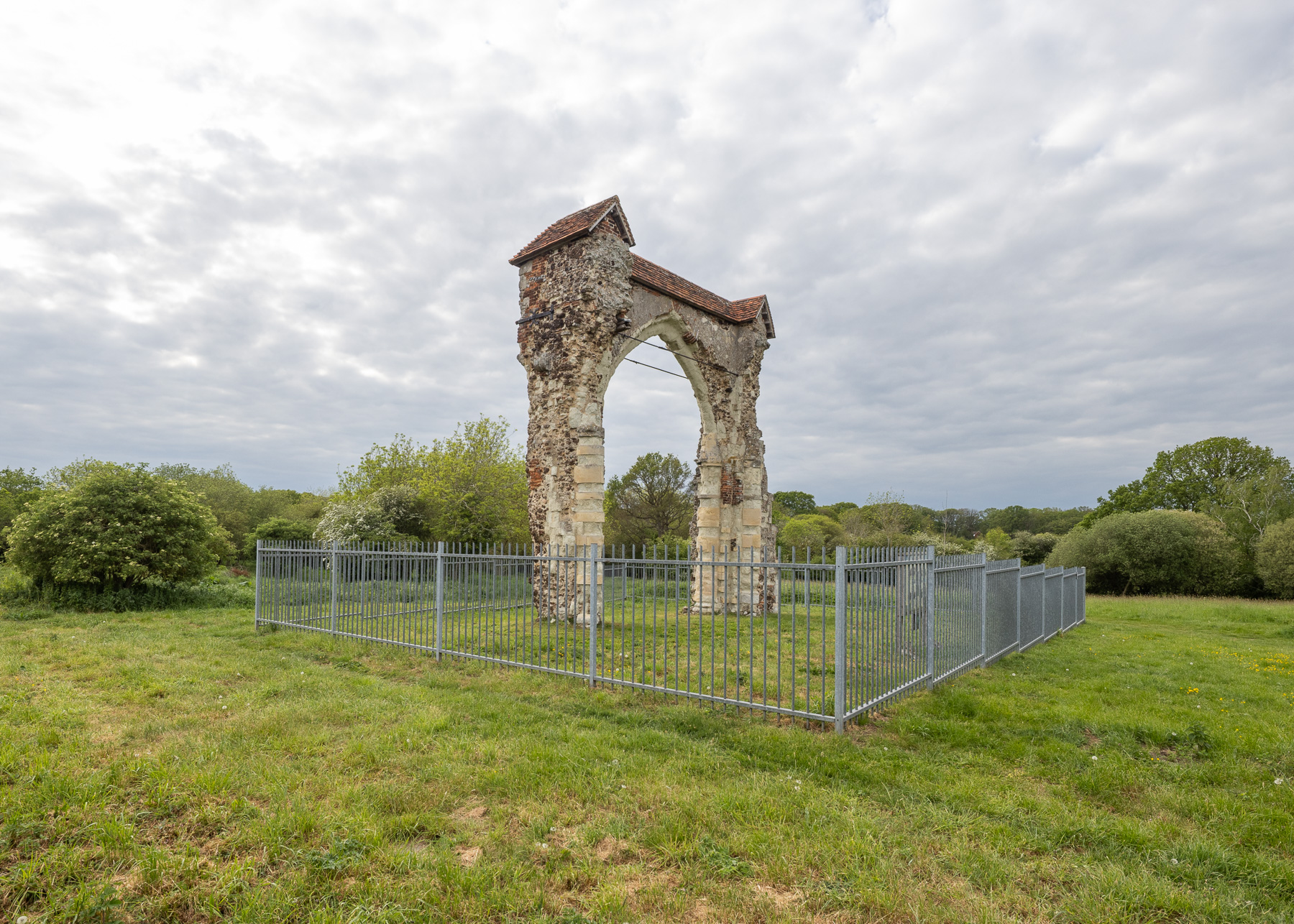
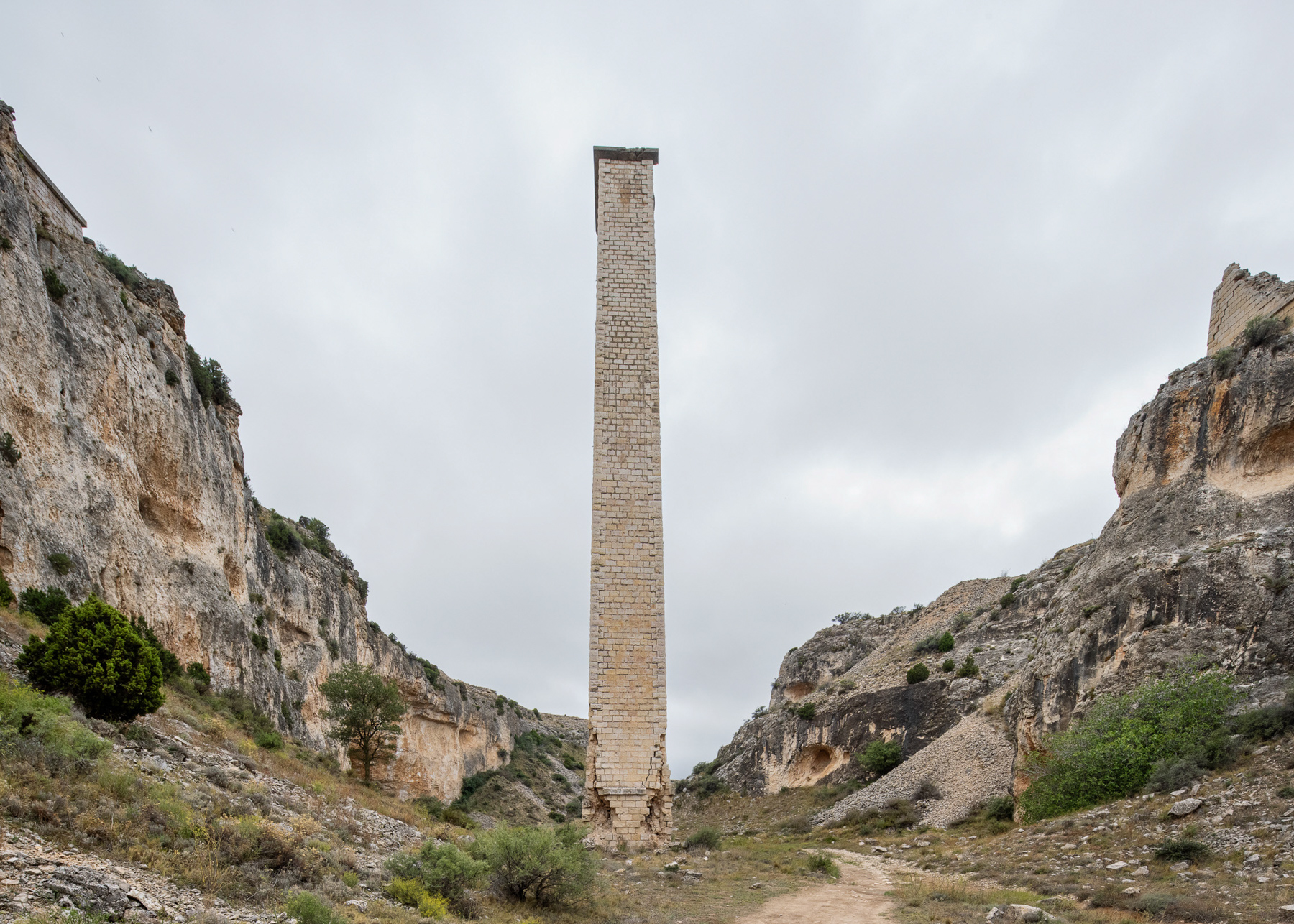
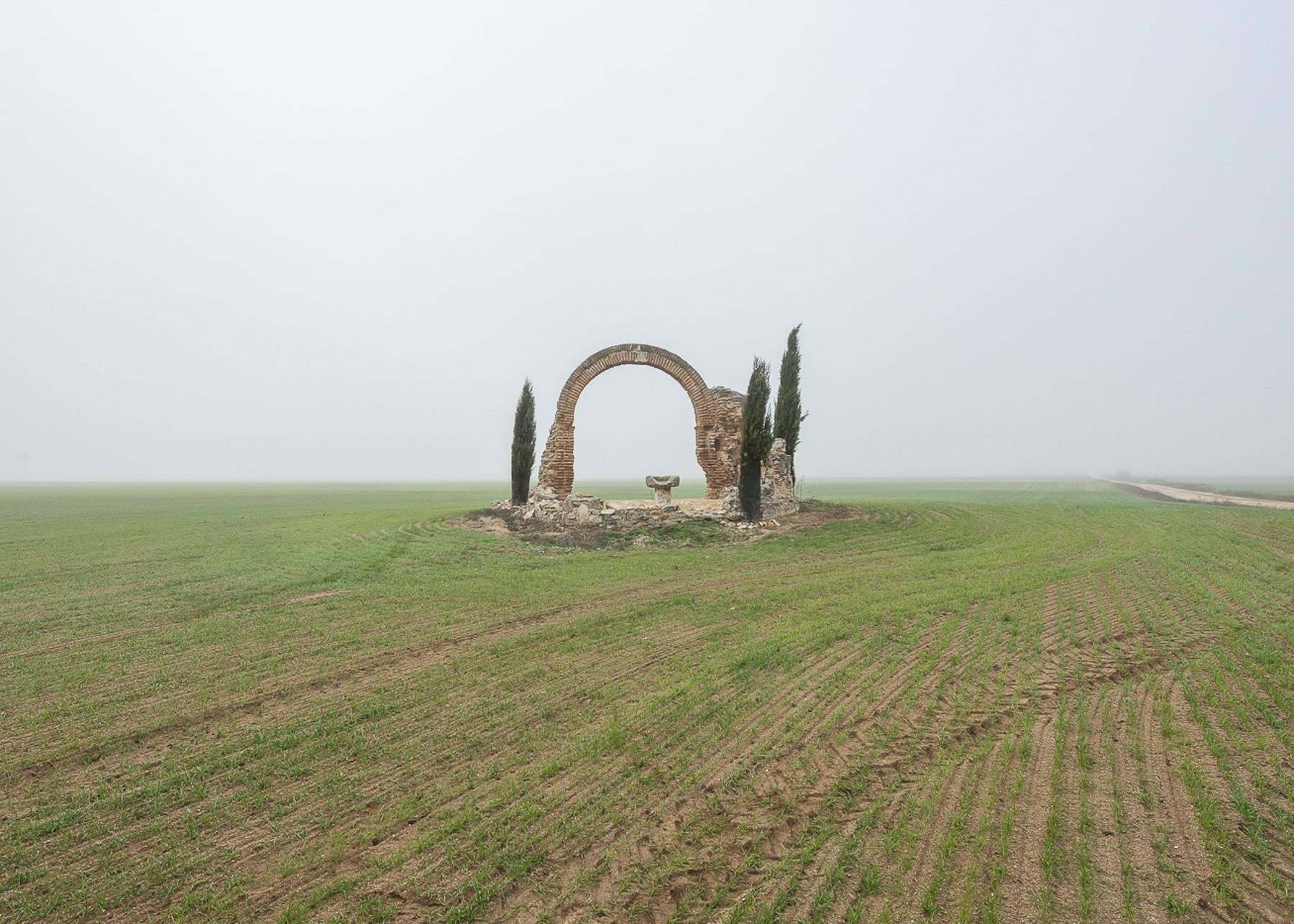
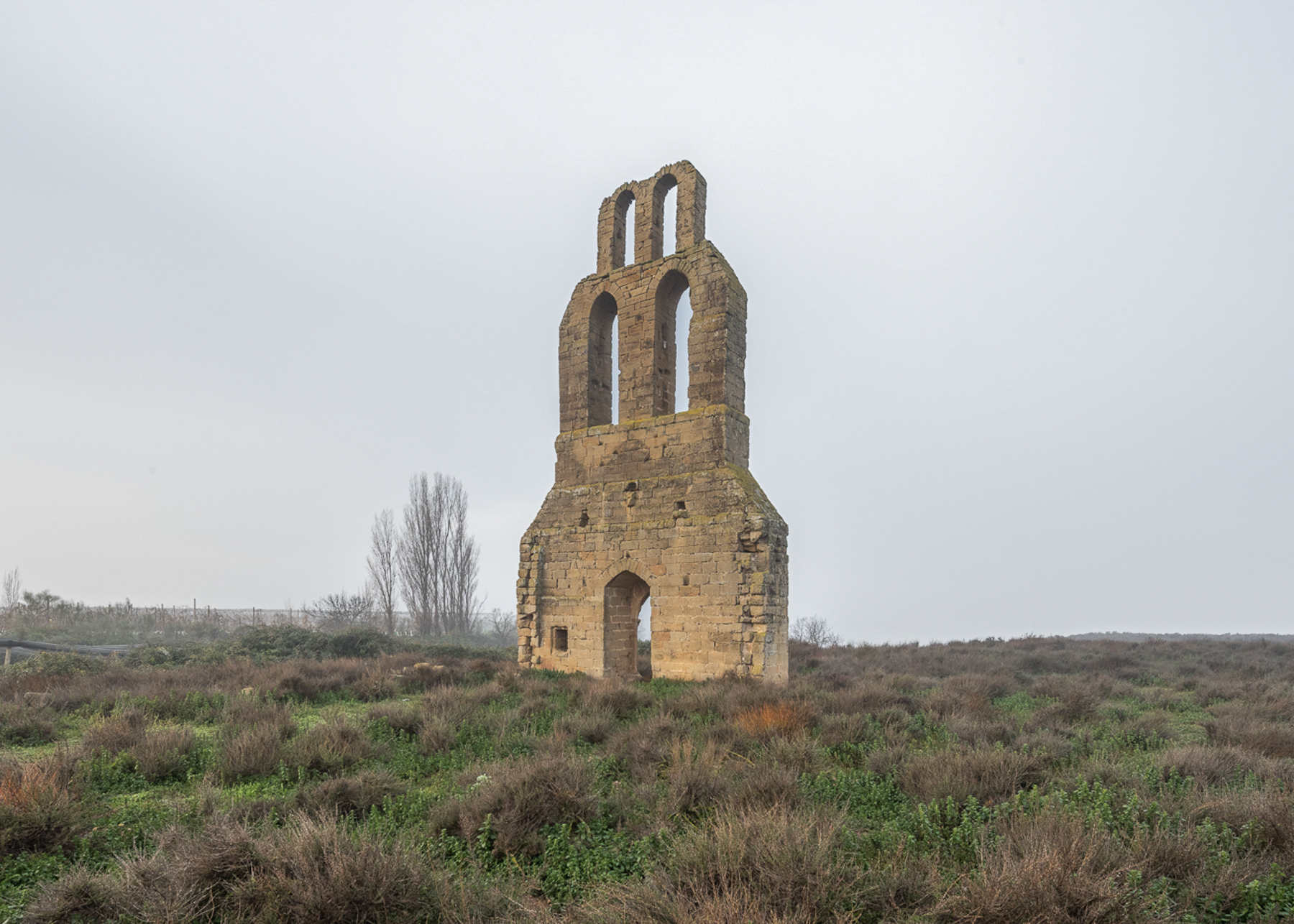
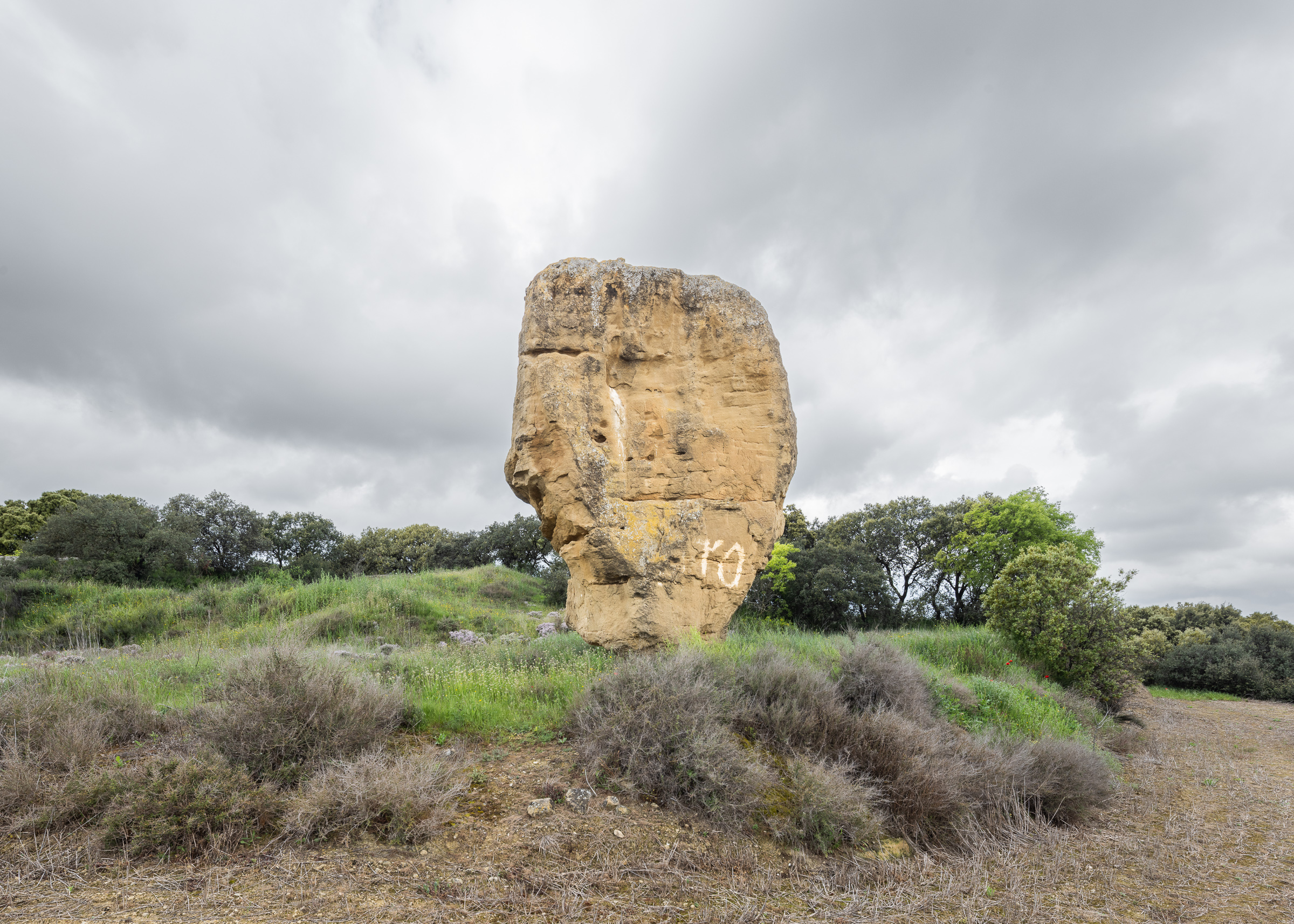
Persistent Forms is a photographic investigation of ruins, sacred stones, and fragmented structures across Europe. It explores objects that have outlived their original function, often remaining in the landscape long after the circumstances that gave them meaning have disappeared.

The project began in the remote regions of inland Spain, where I encountered abandoned monuments, ruined churches, ritual stones, and architectural fragments that seemed to belong to another time. Some remain connected to local traditions and collective memory. Others stand almost forgotten, neither preserved nor completely erased.

What interested me was not primarily their historical significance, but their continued existence. Why are they still there? Have they survived through deliberate preservation, cultural memory, or simply because nobody removed them?

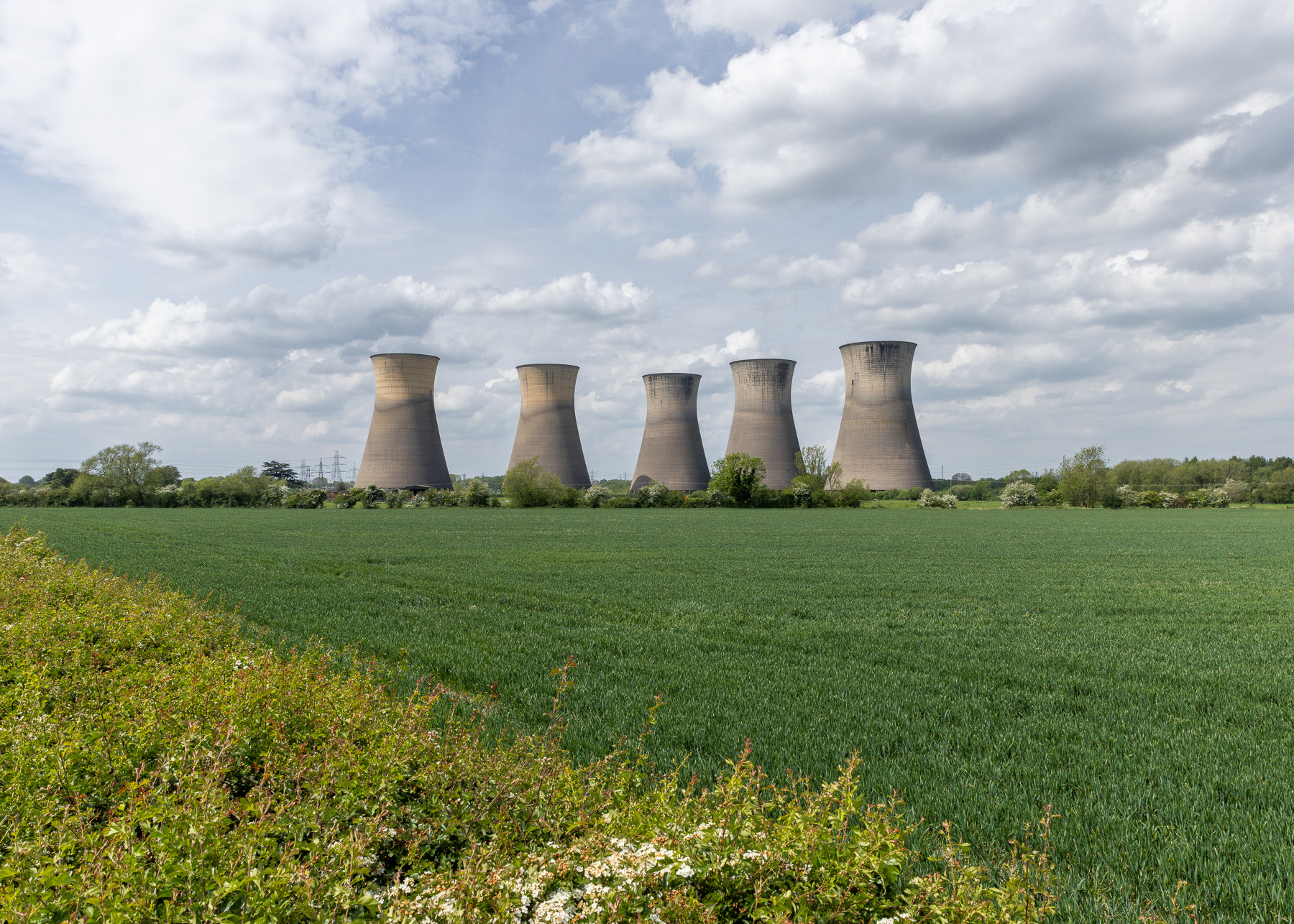
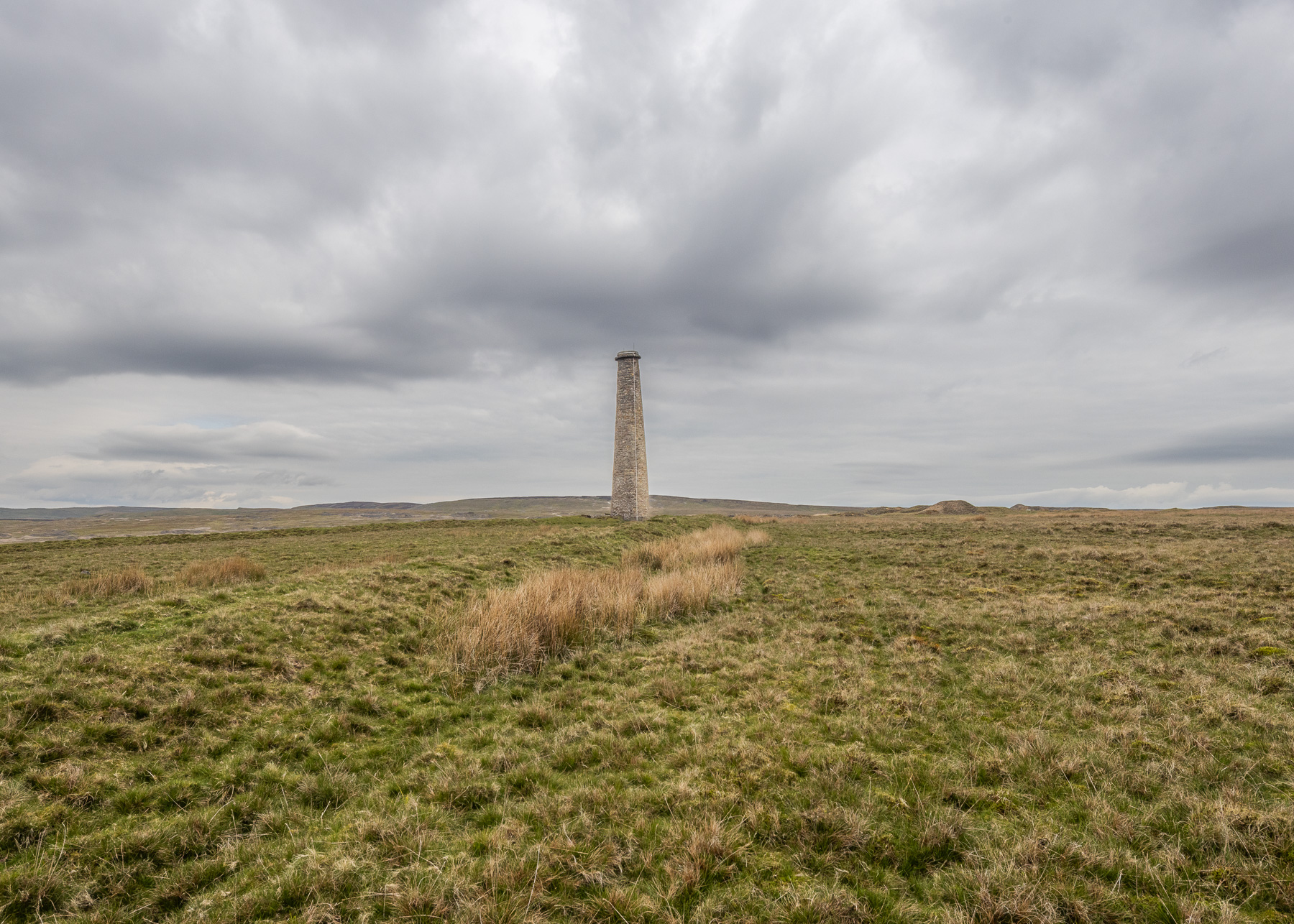
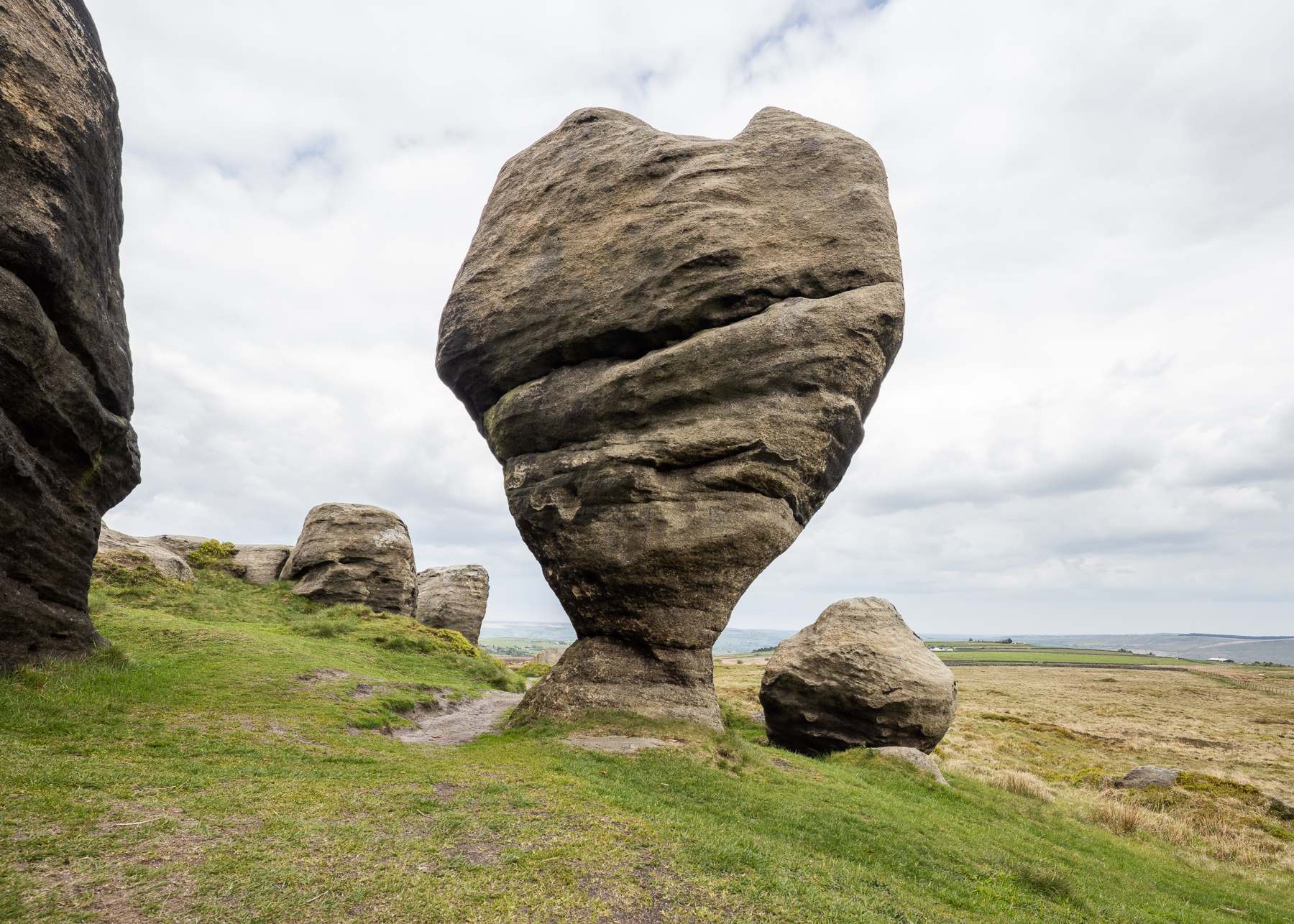
Over time, the project expanded to Germany, England, France, Latvia, and Poland. Prehistoric stones, Roman tombs, medieval ruins, weathered religious figures, industrial remains, and abandoned infrastructure became part of the same photographic investigation.

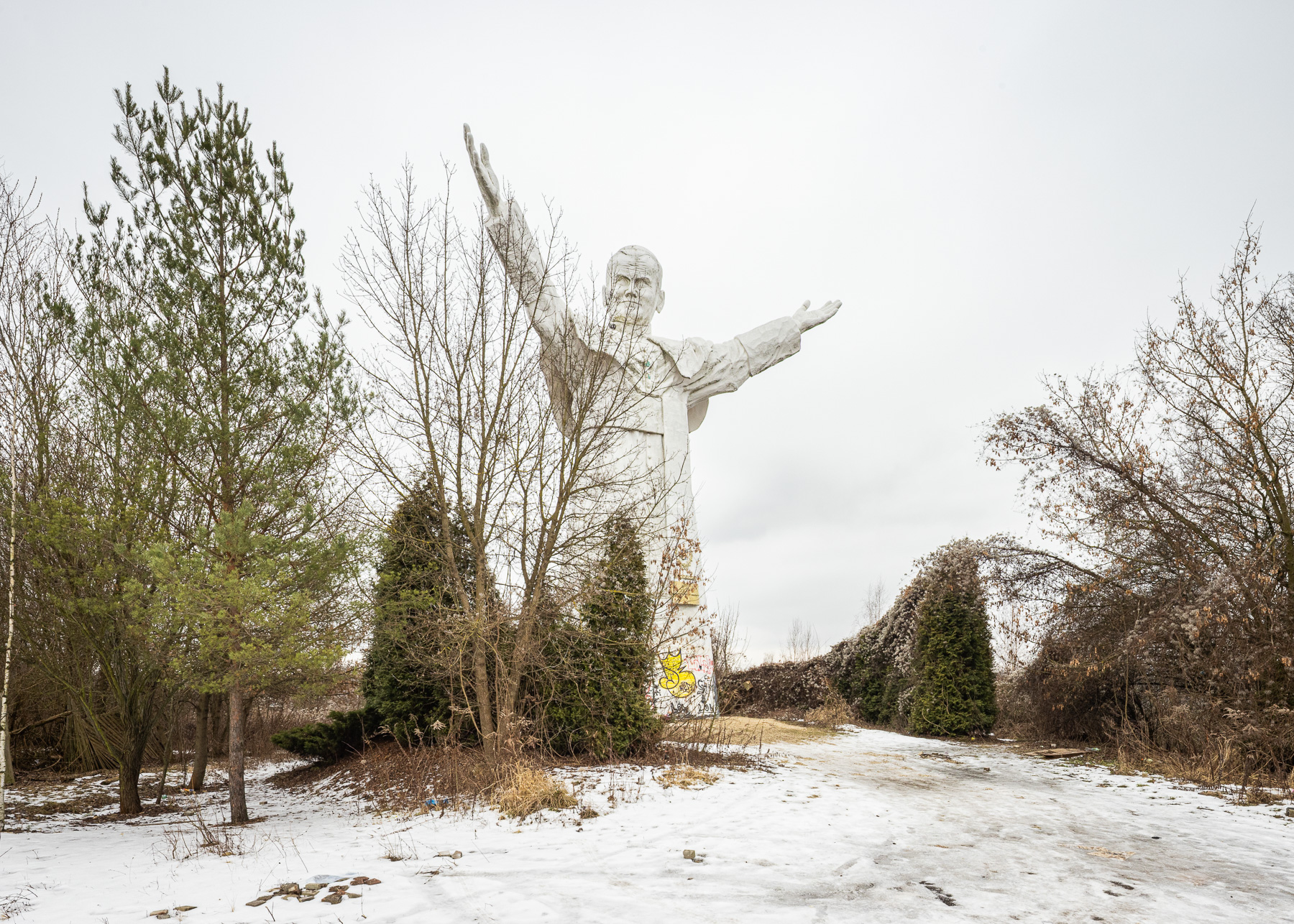
A monumental statue of Pope John Paul II stands in a closed park in Poland. Cooling towers rise from the English countryside. Unfinished motorway bridge pillars remain in the German landscape. Separated by centuries, geography, and purpose, these structures share an unexpected visual presence.

Photographed in neutral light and with a restrained, observational approach, the images concentrate on form, materiality, scale, and the relationship between each object and its surroundings.

Traditional distinctions begin to dissolve. Sacred and profane, ancient and modern, religious and industrial no longer appear as separate categories, but as different expressions of human activity and its remains.

By bringing together places that have little historical connection, the project creates unexpected visual relationships. The photographs are not arranged geographically or chronologically, allowing structures from different countries and centuries to enter into a dialogue.

Yet each object has its own history. Research into its origin, original purpose, and eventual transformation reveals the often surprising circumstances behind its survival.

Persistent Forms is an ongoing photographic and research-based project. As it expands across different regions of Europe, it brings together places, structures, and histories that are rarely considered in relation to one another.

Through photography, sequencing, and historical research, the work explores what remains when human structures lose their original purpose, and how their continued presence reshapes our understanding of the European landscape.

The photographs presented here represent only a selection from this ongoing body of work.

The project has been partly supported by the Kulturwerk der VG Bild-Kunst.

Continue reading