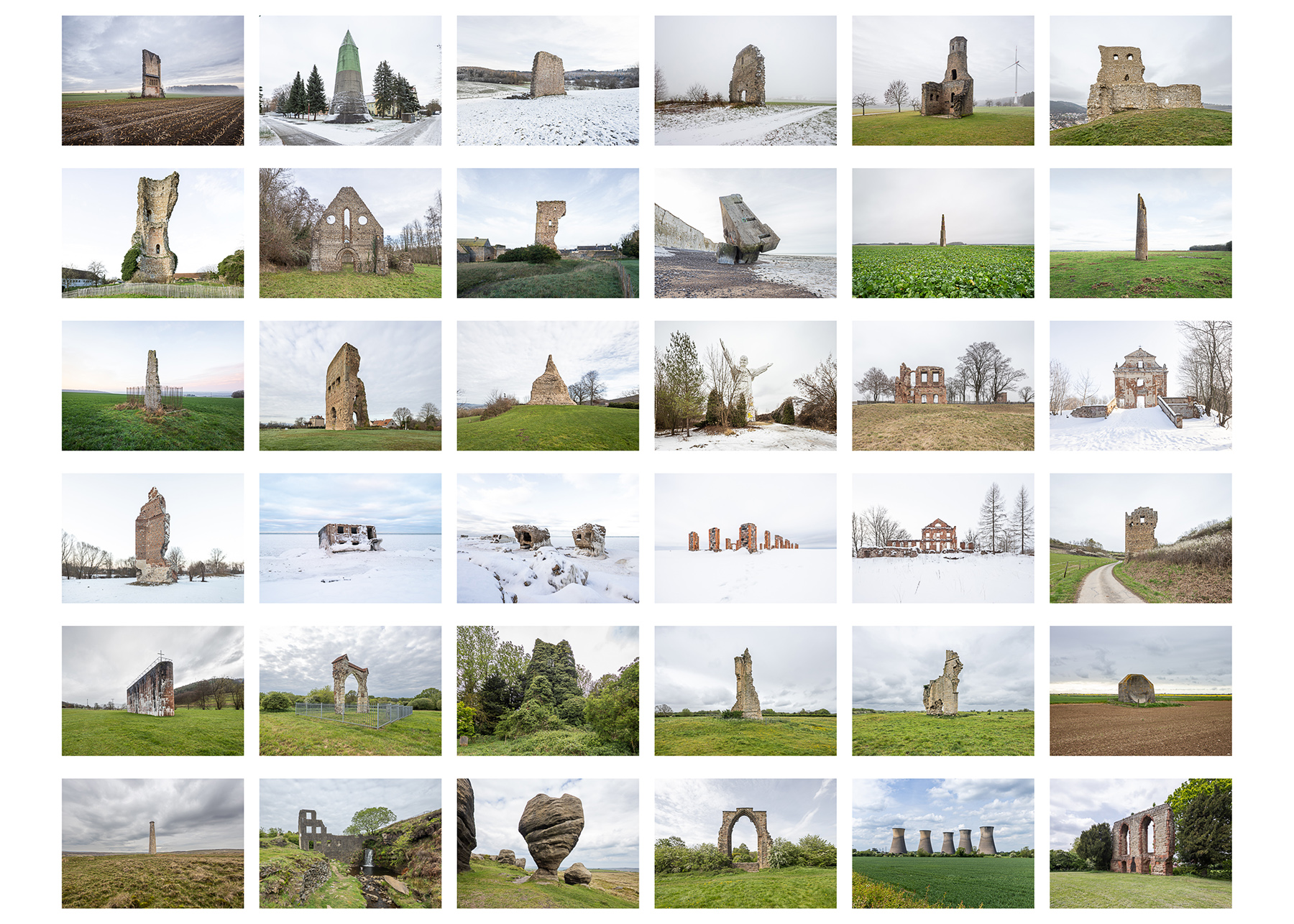
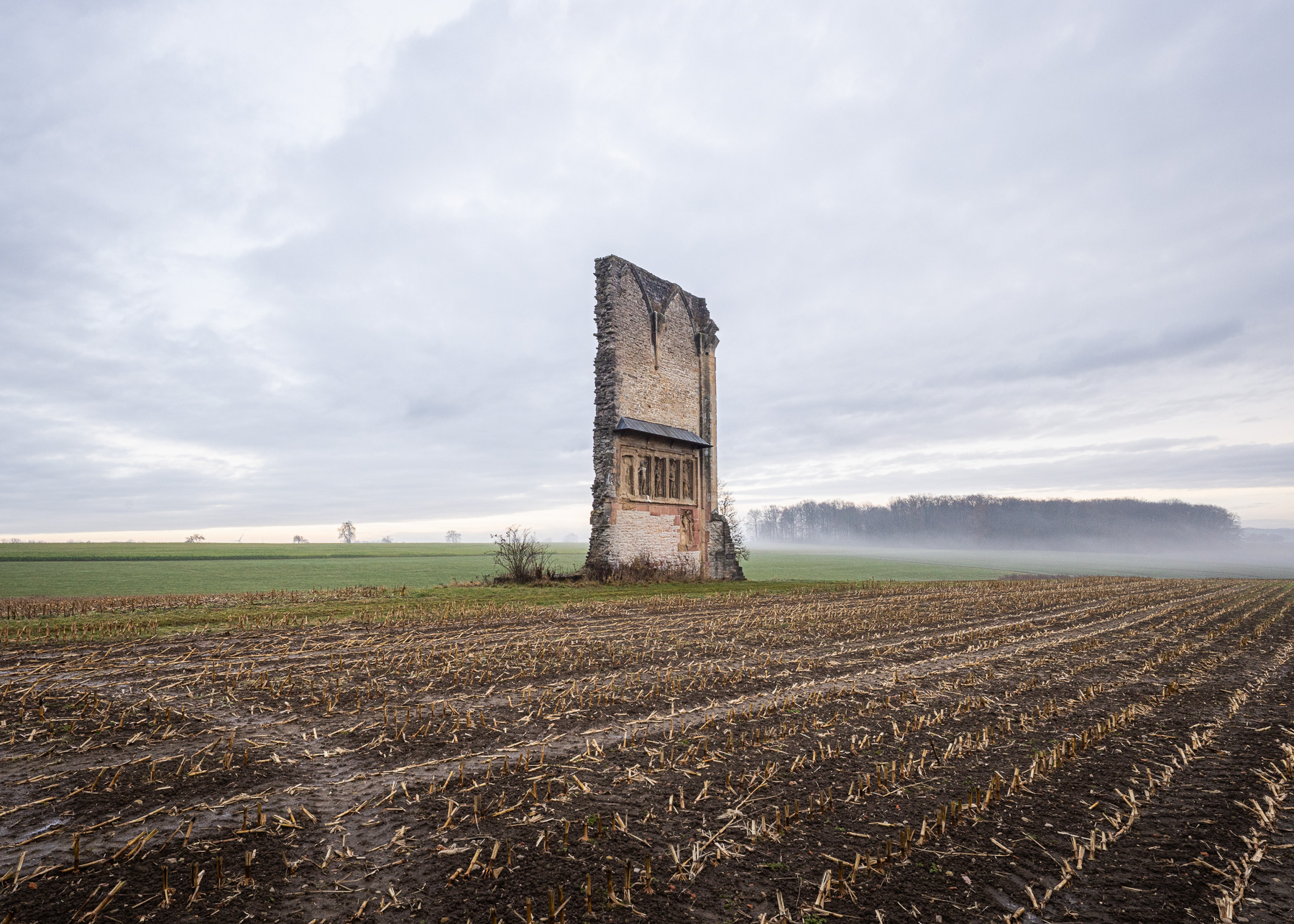
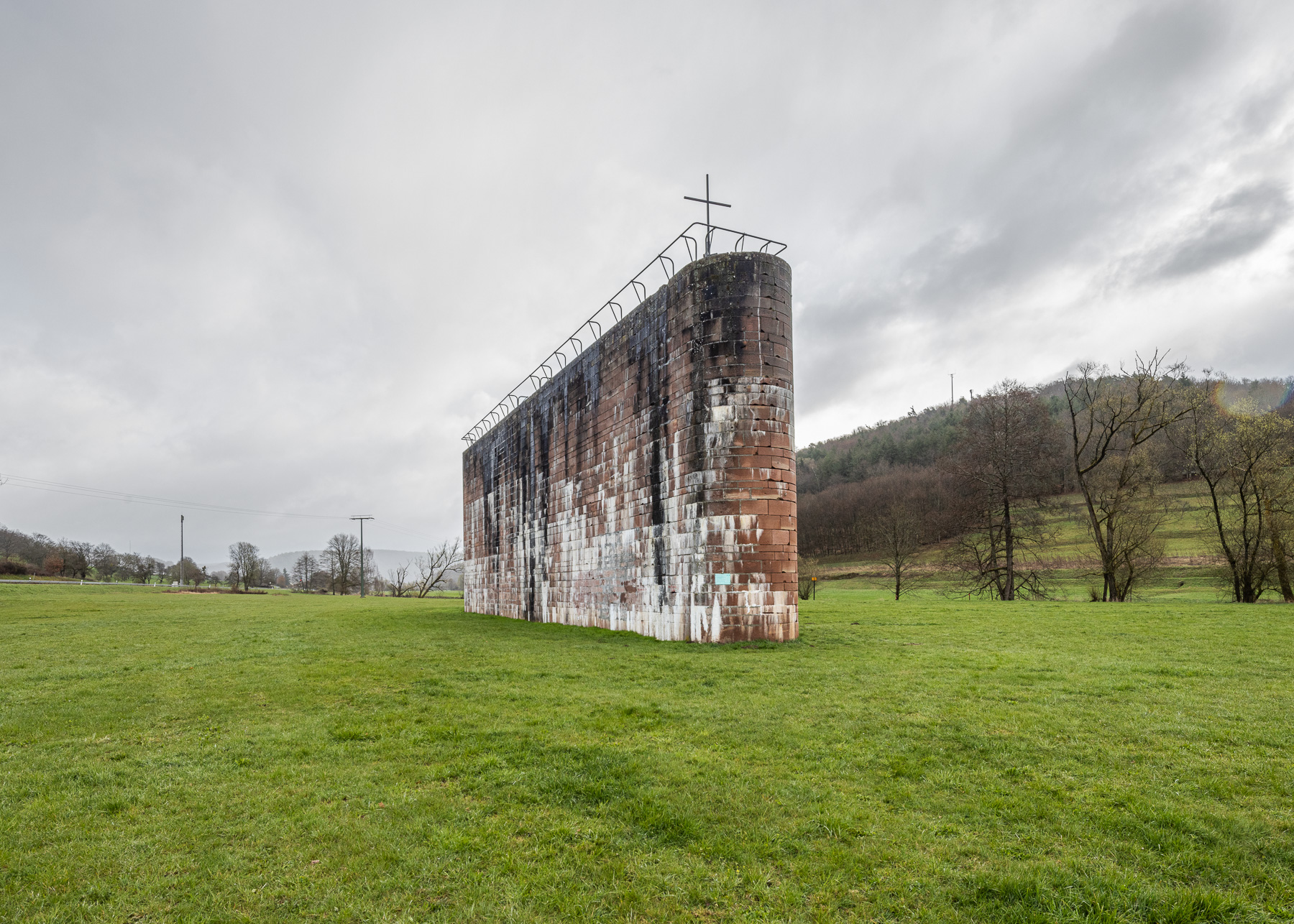
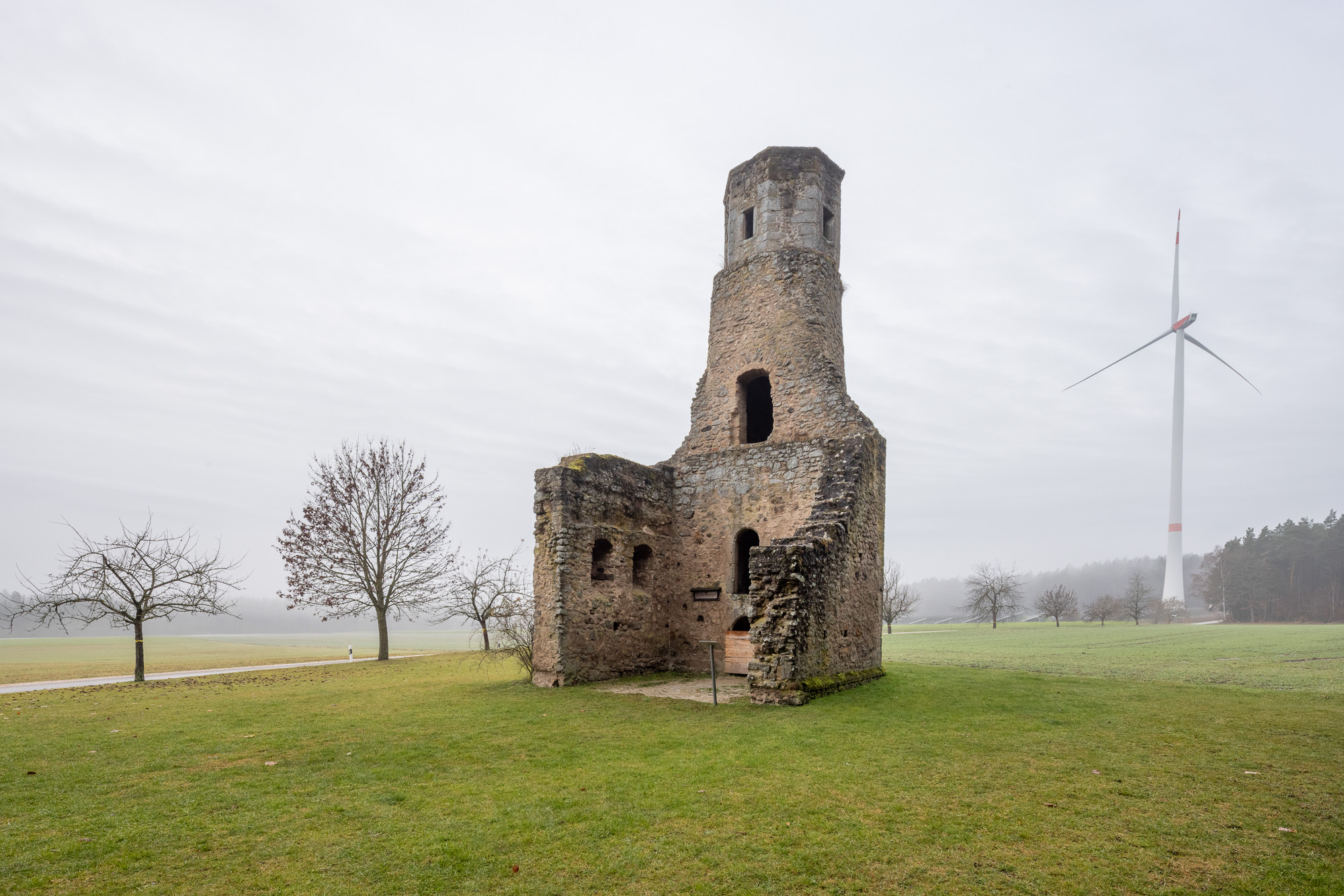
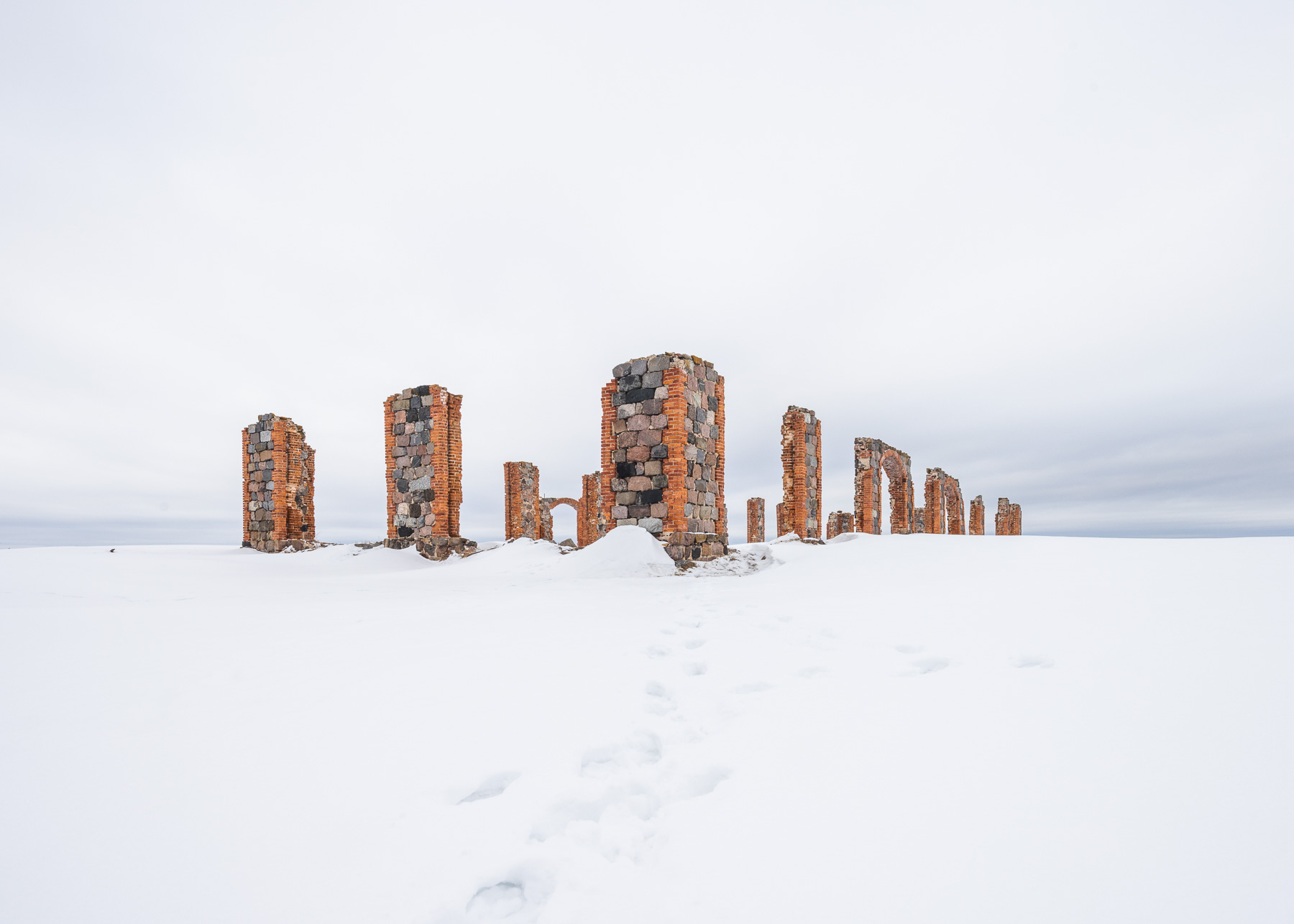
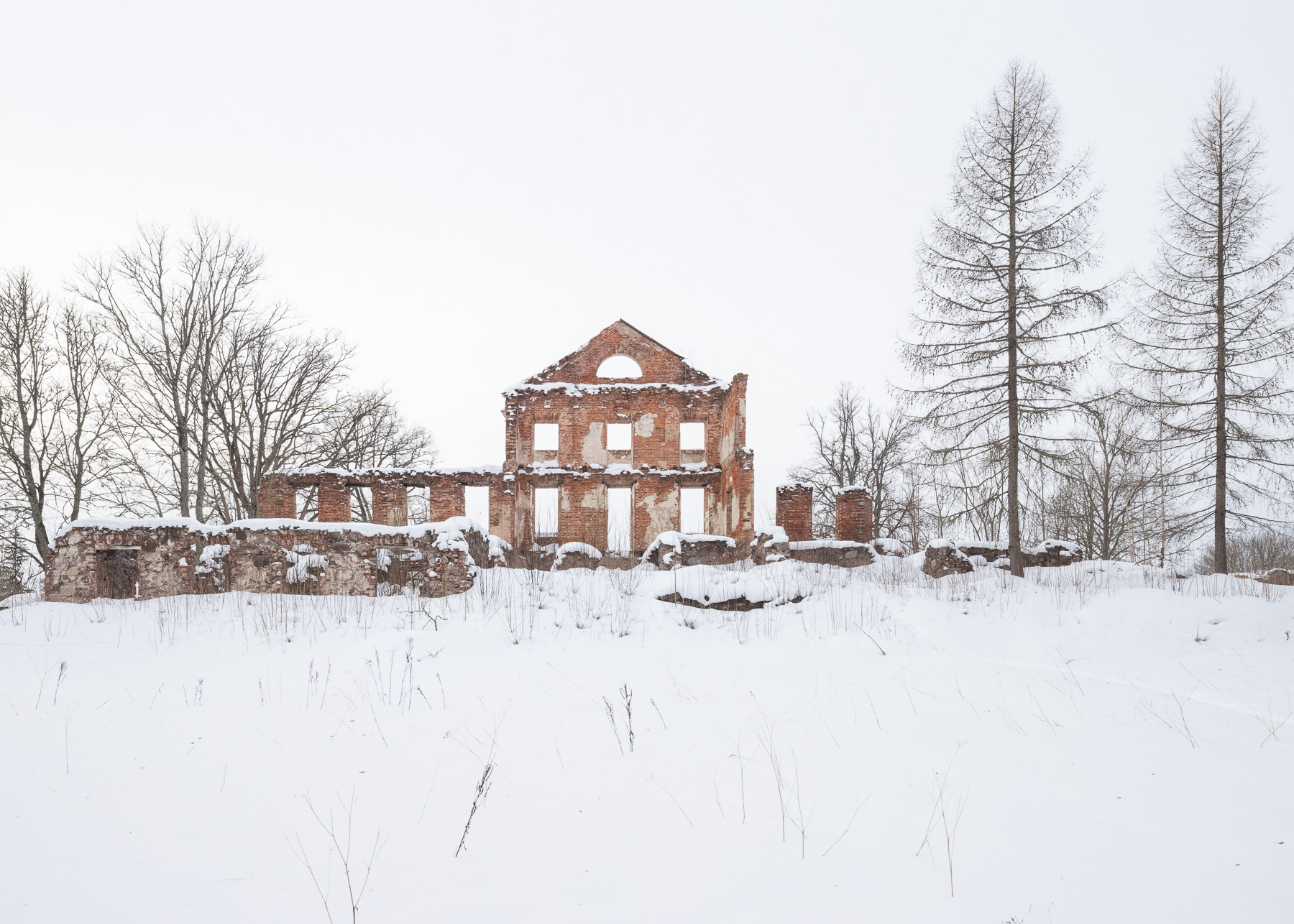
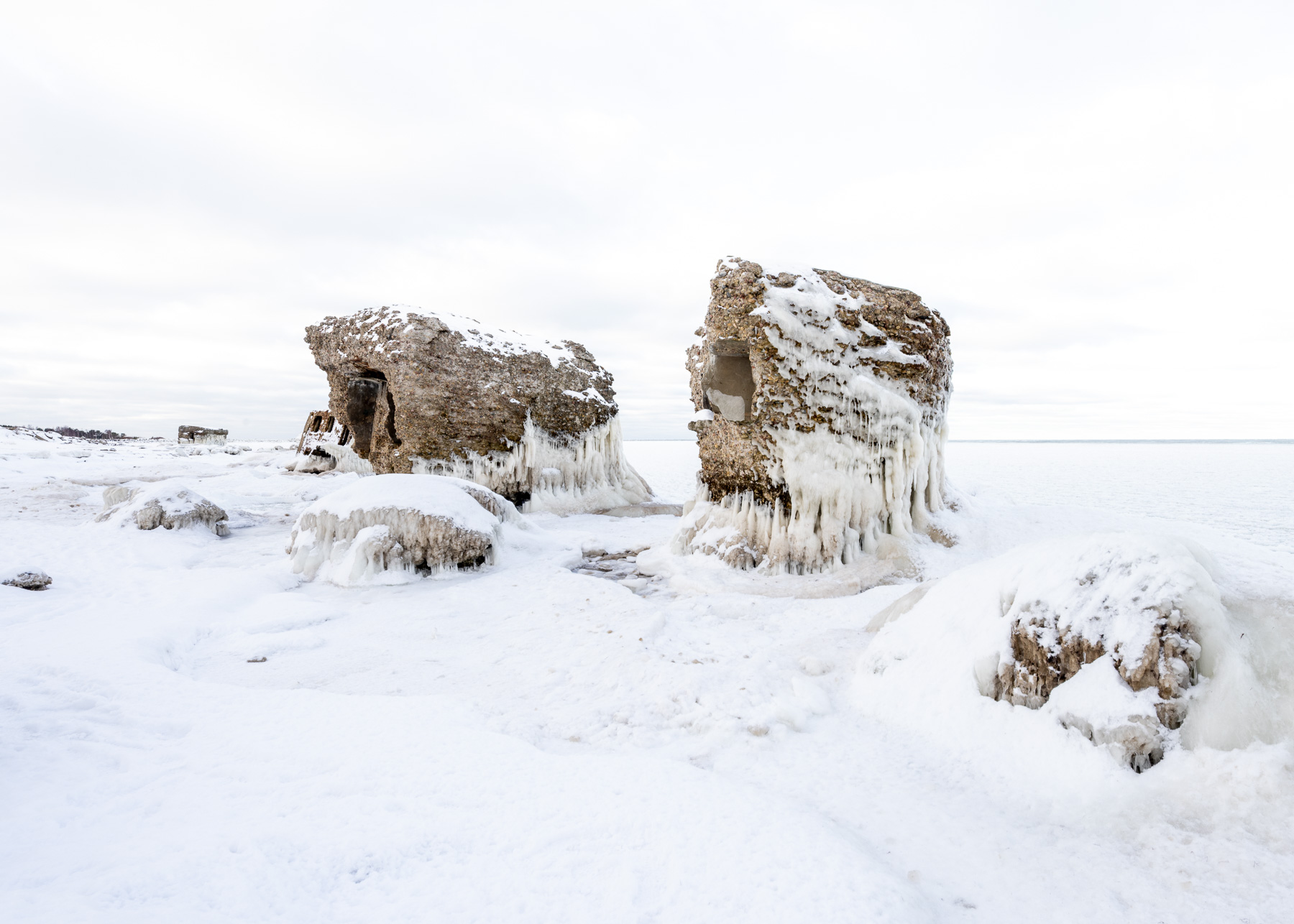
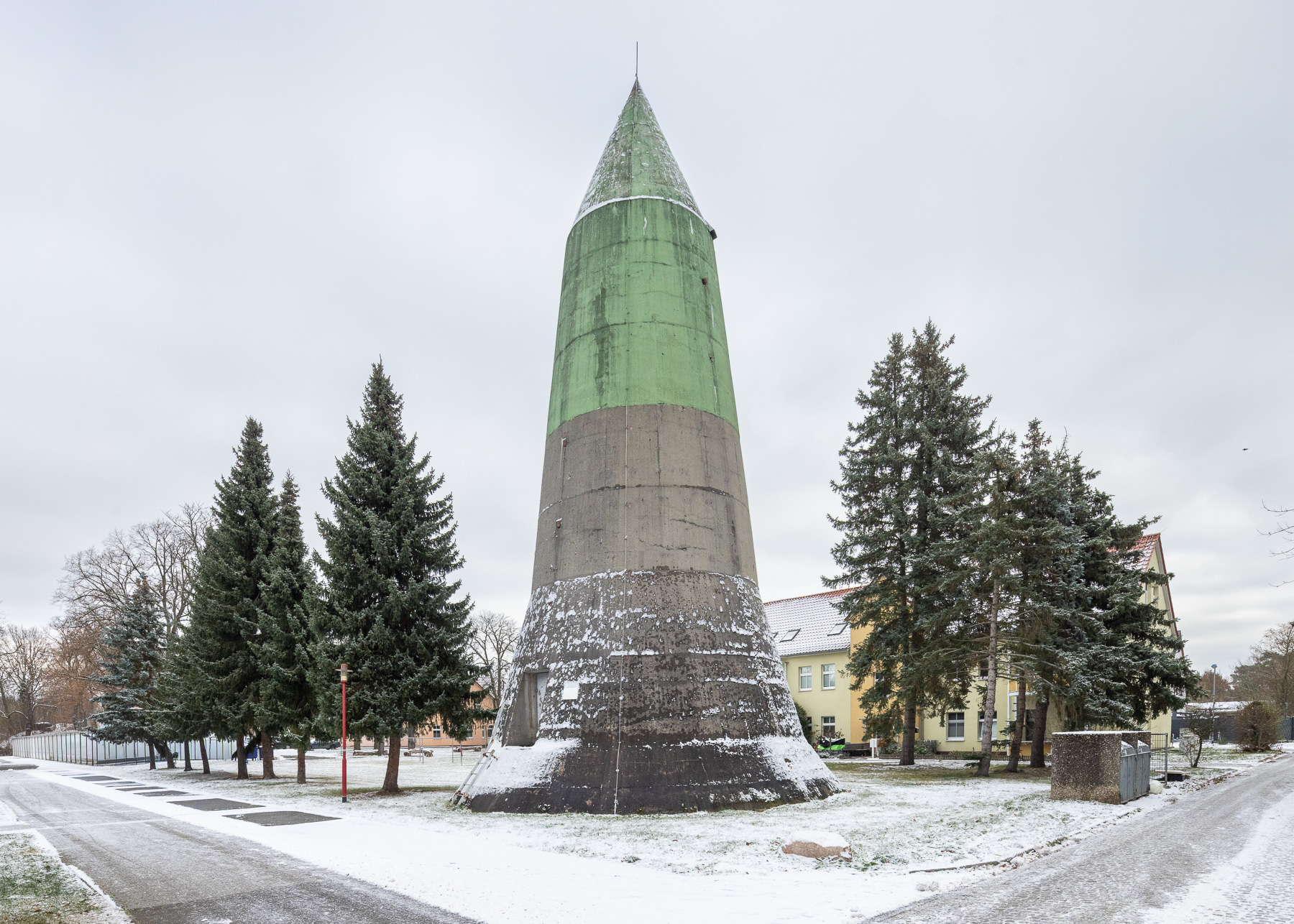
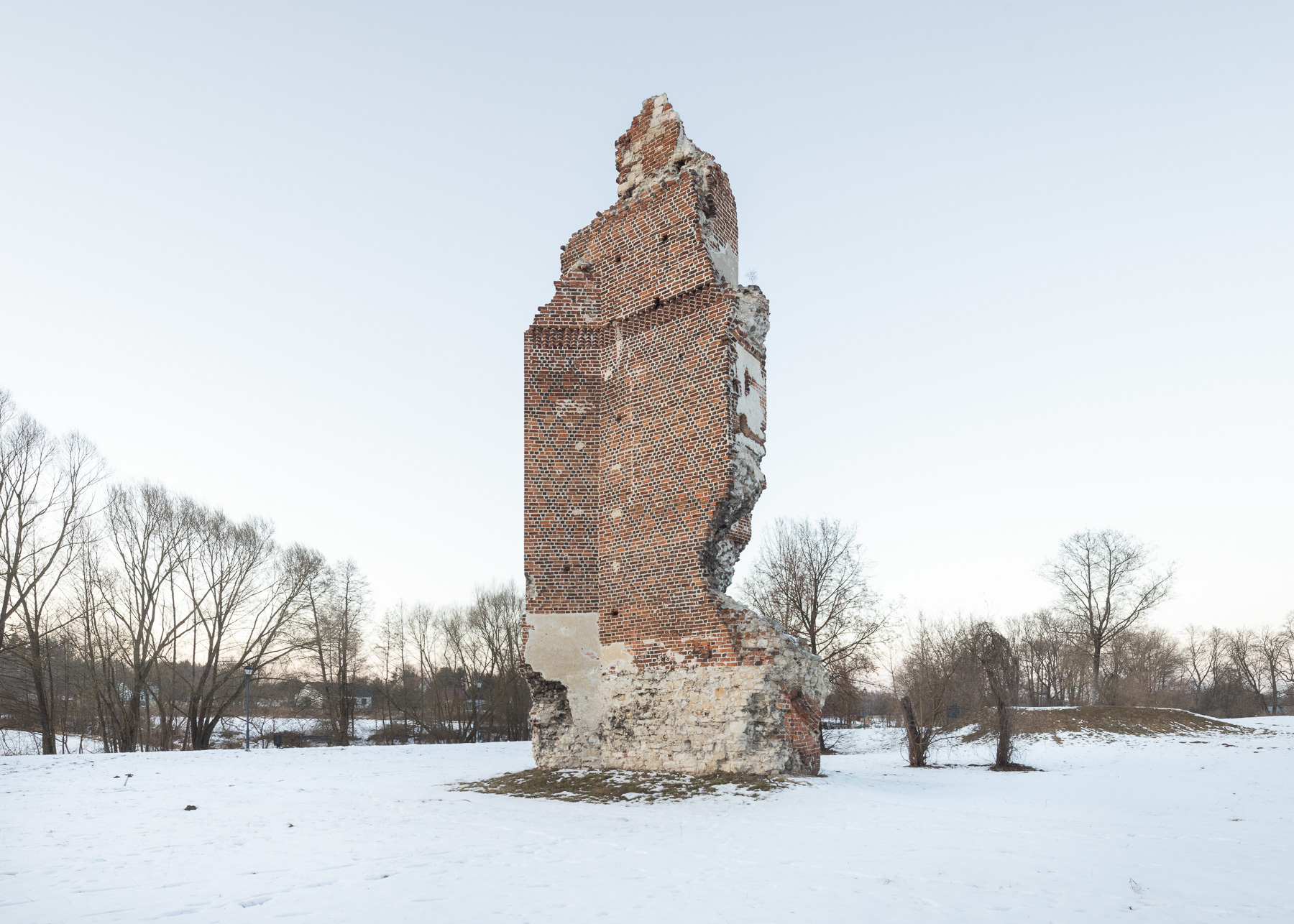
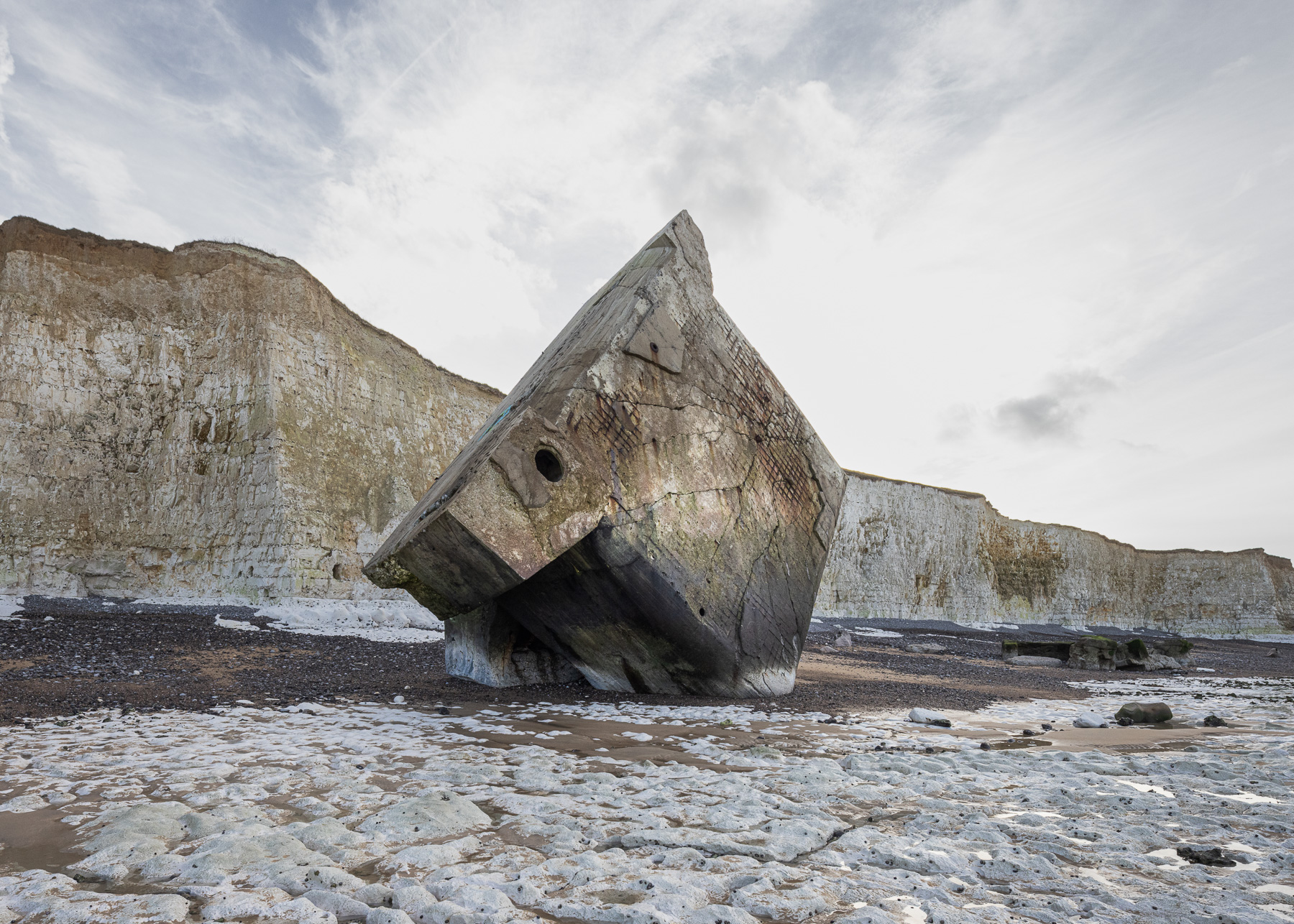
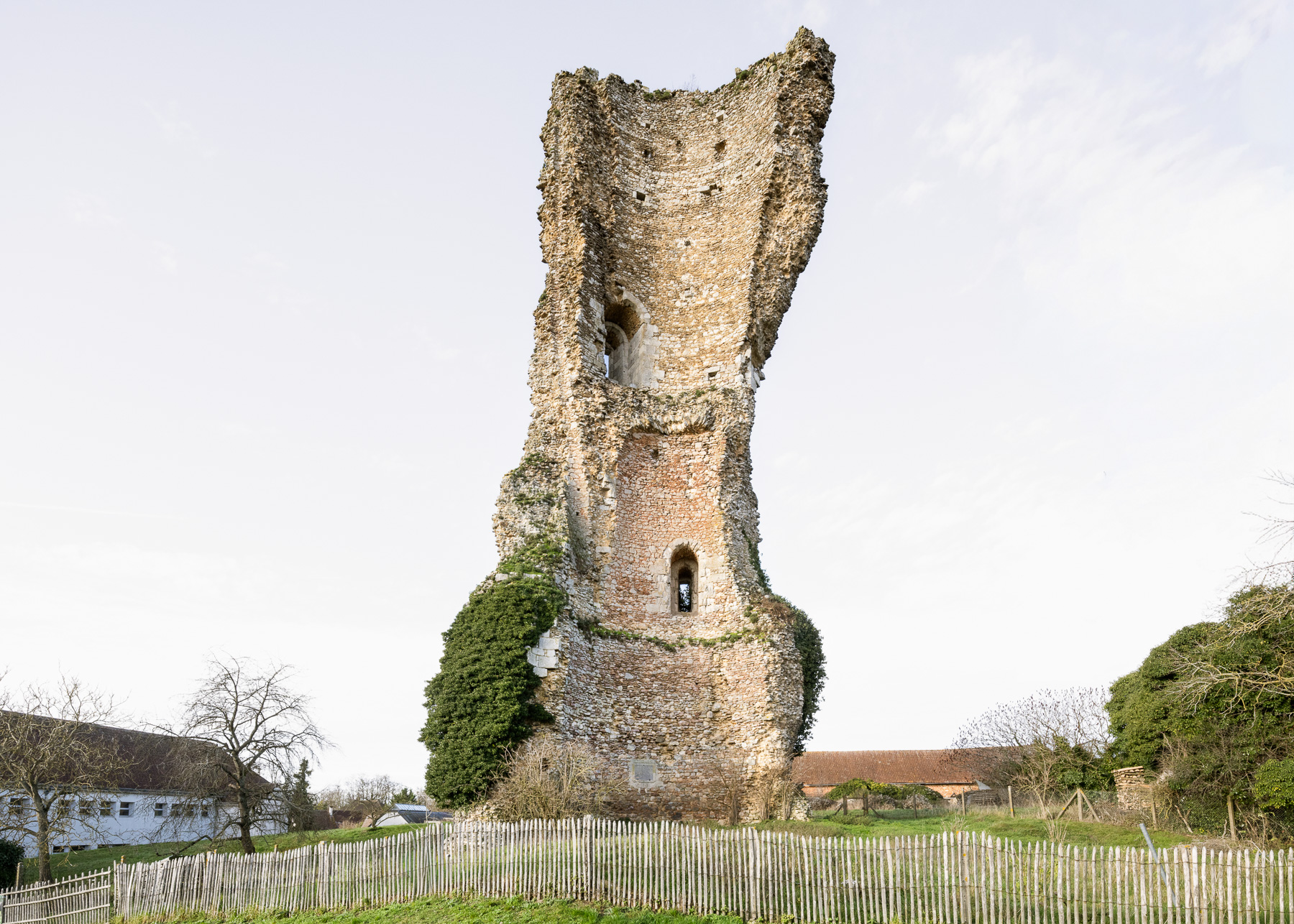
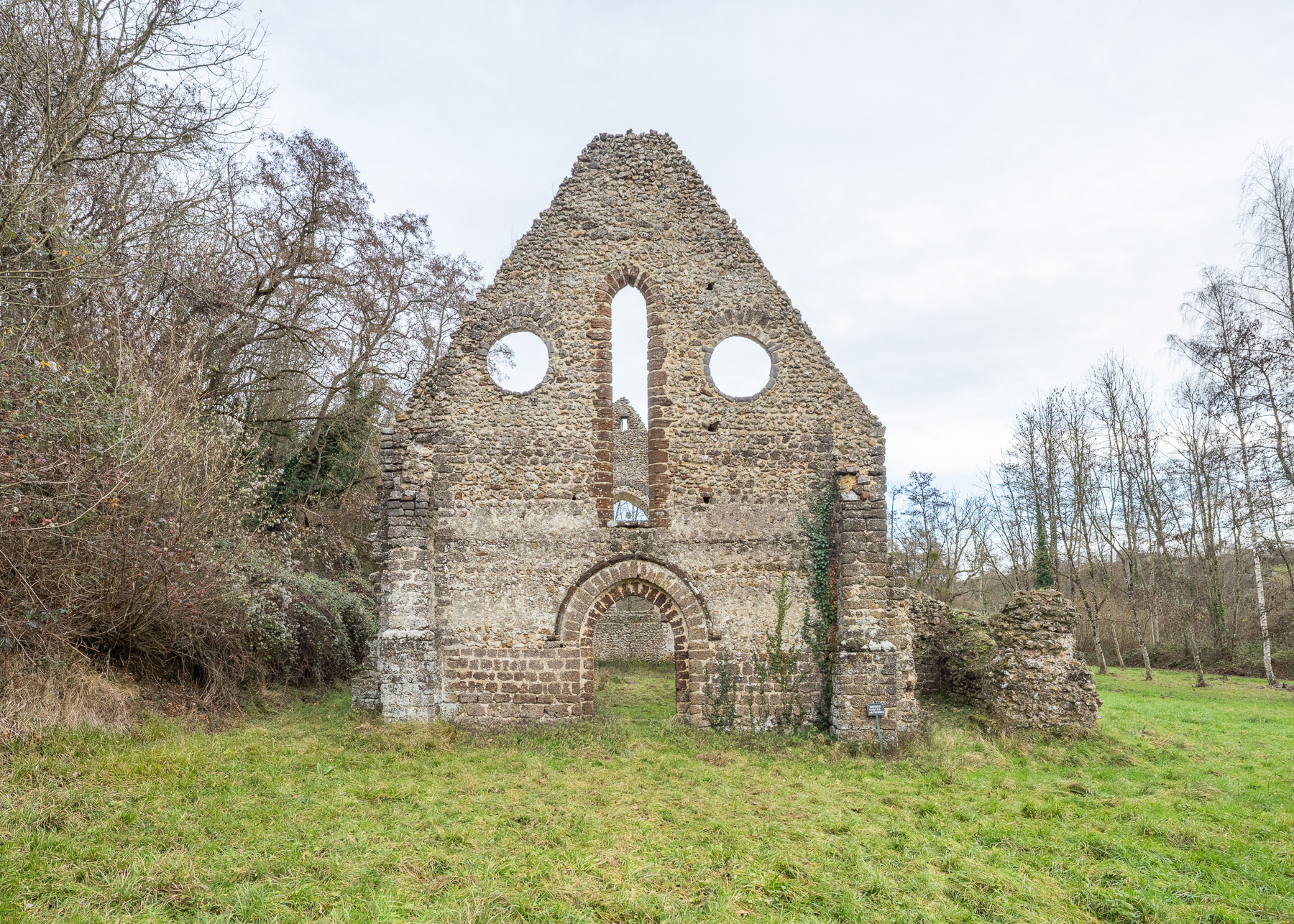
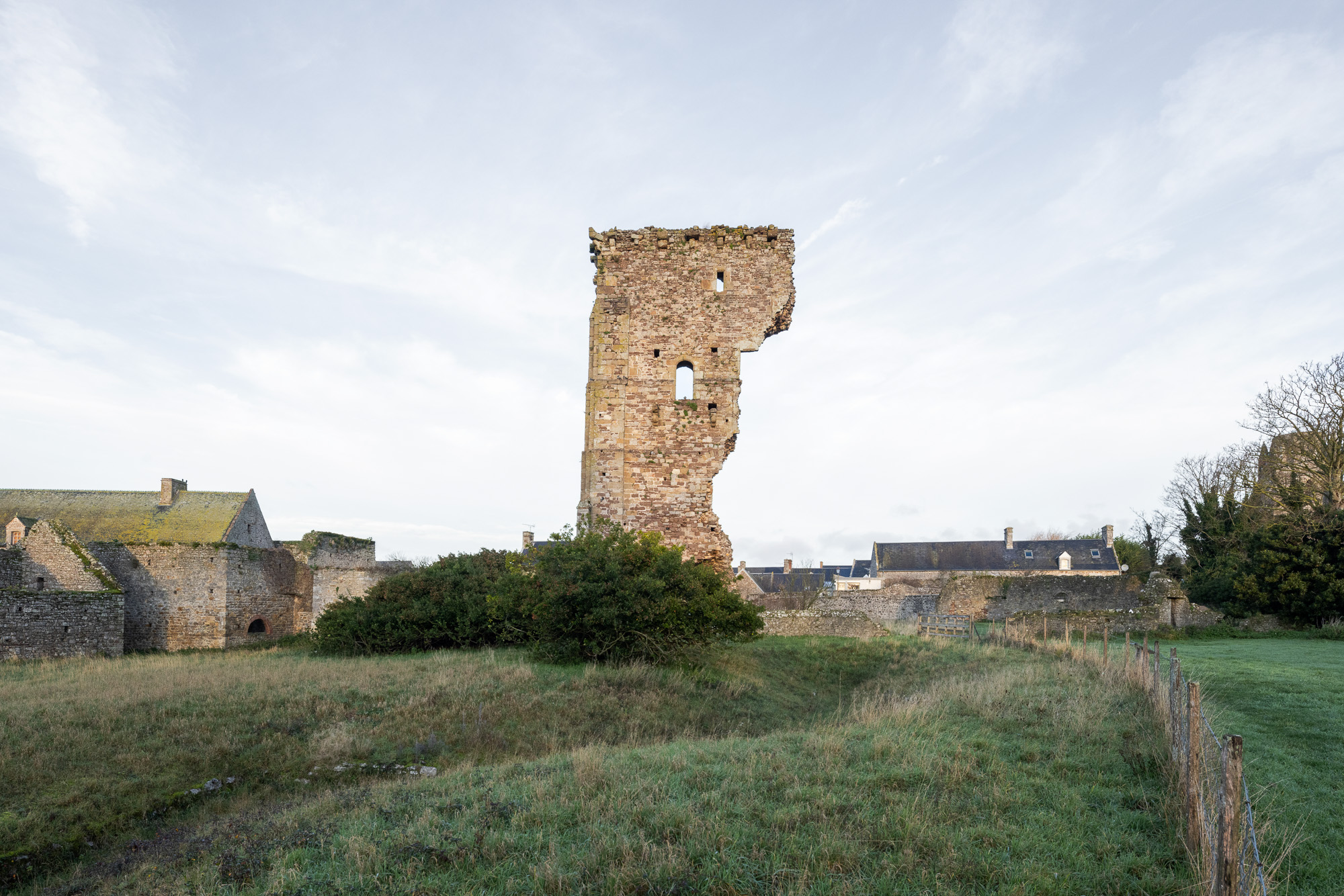
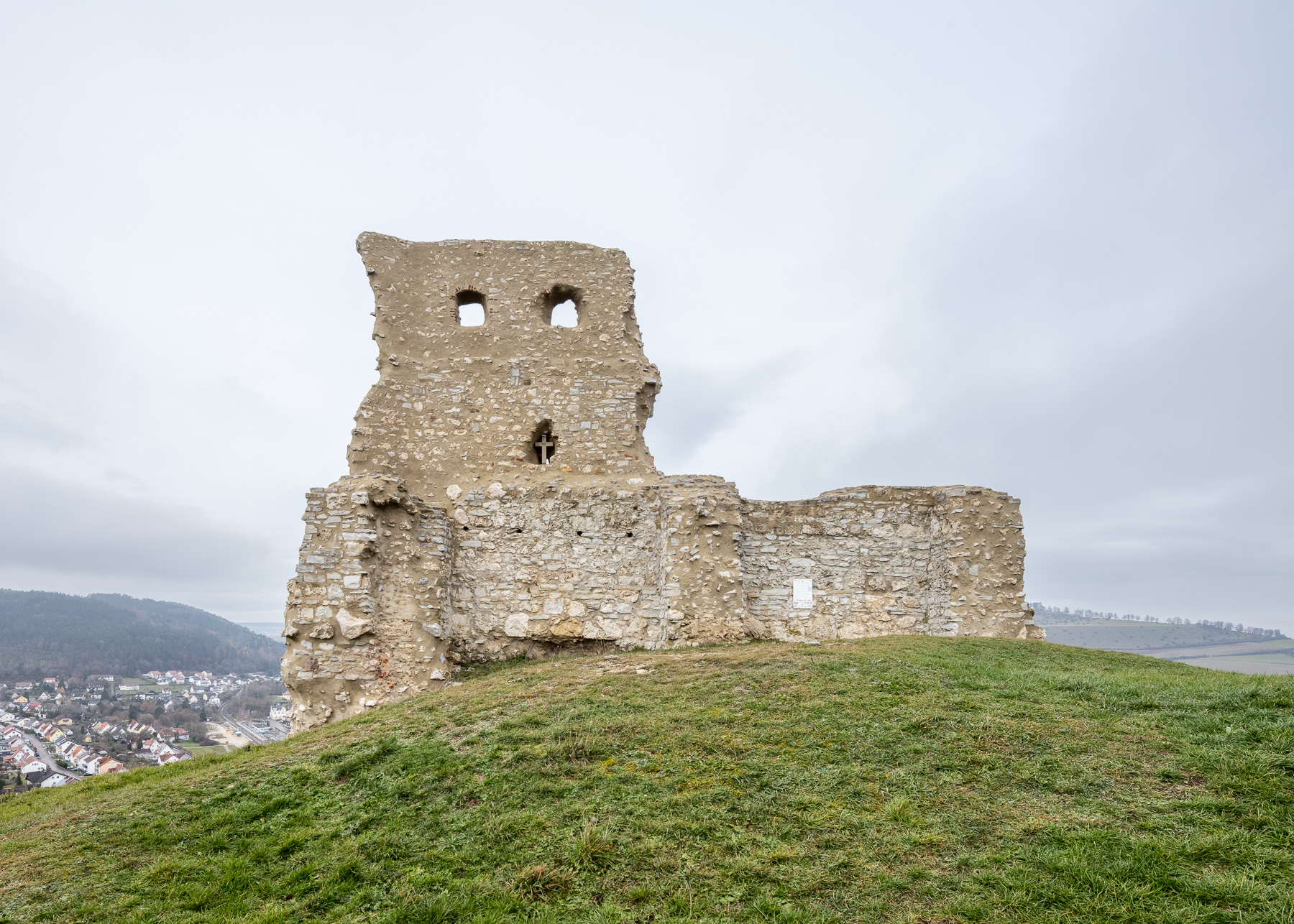
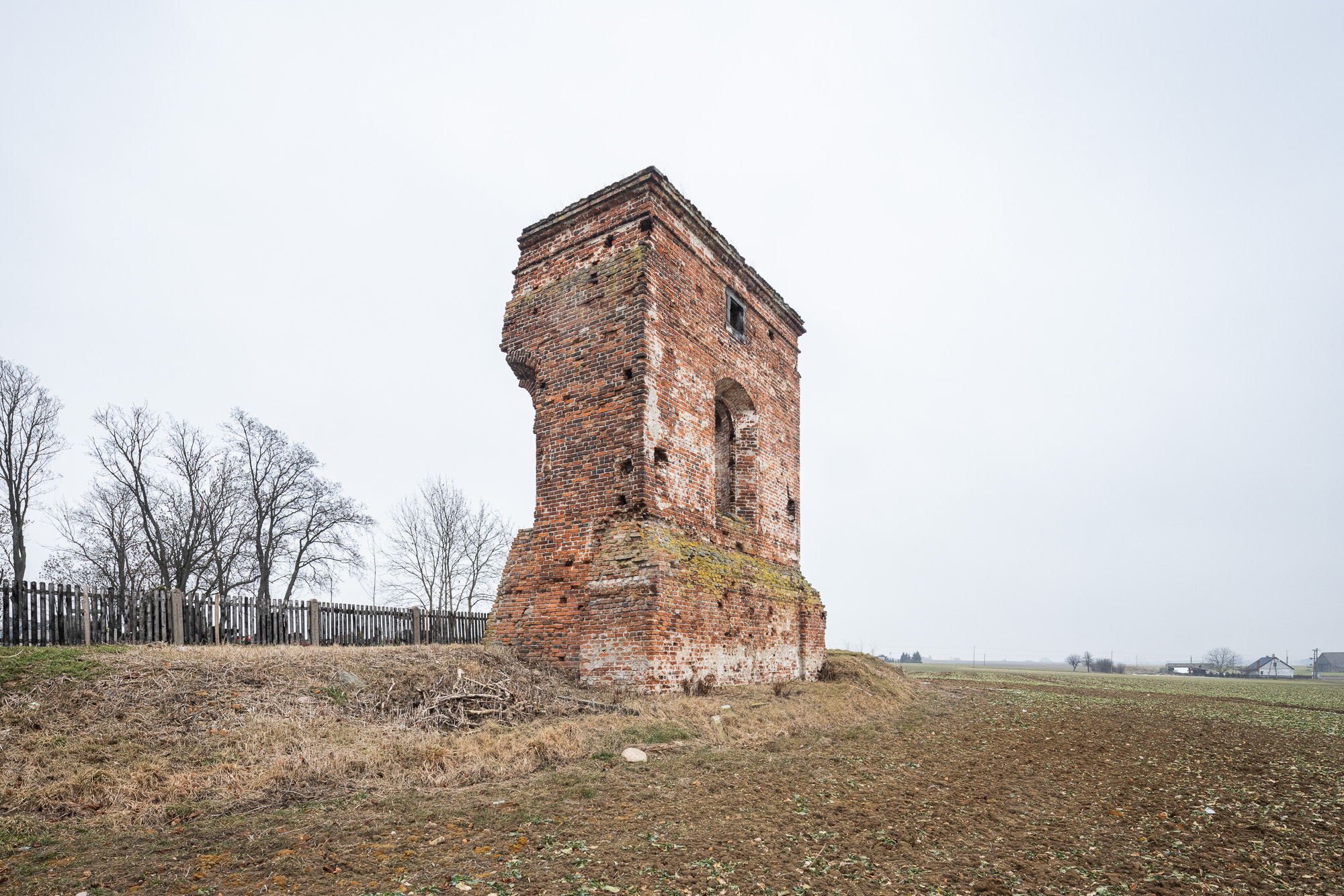
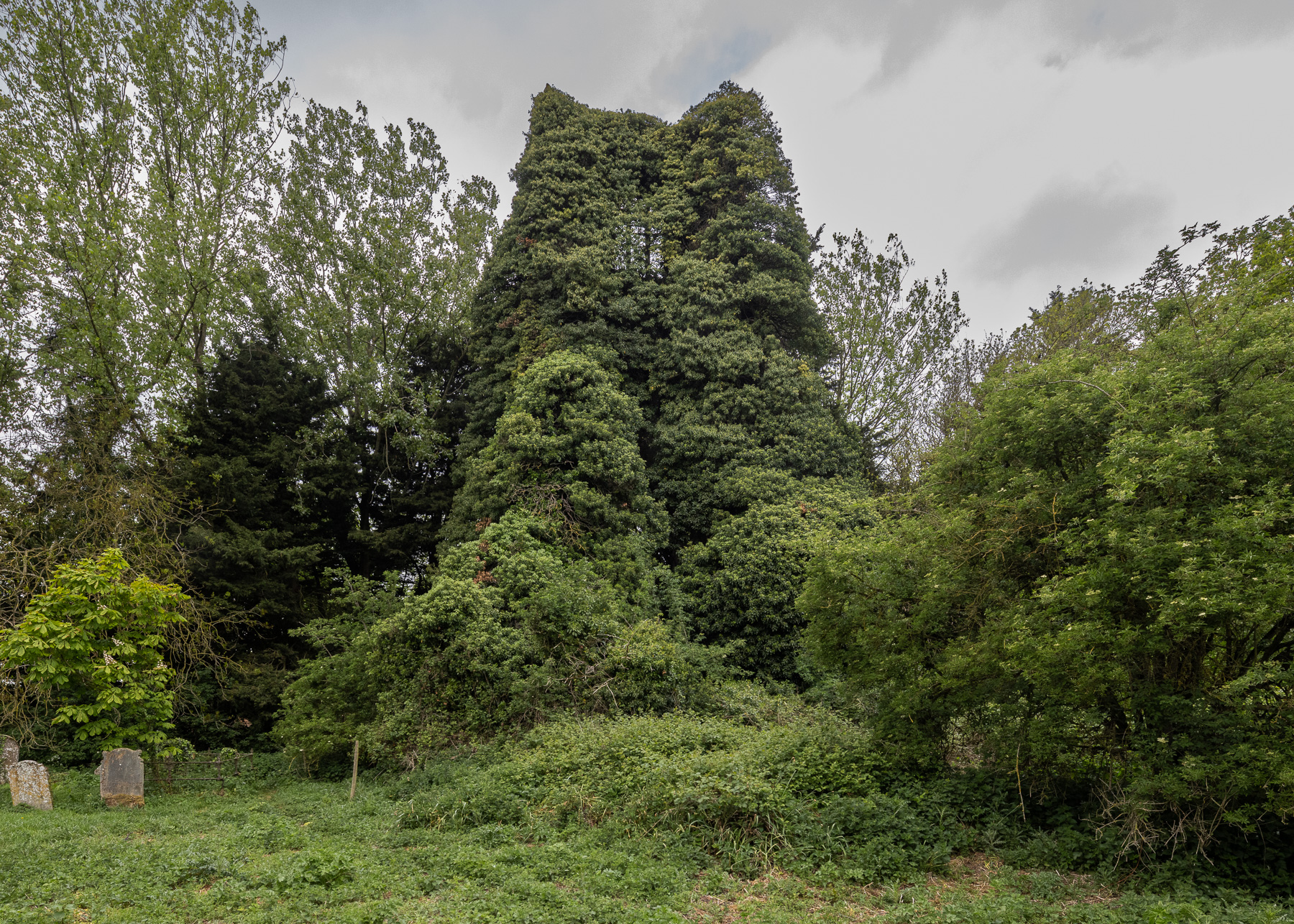
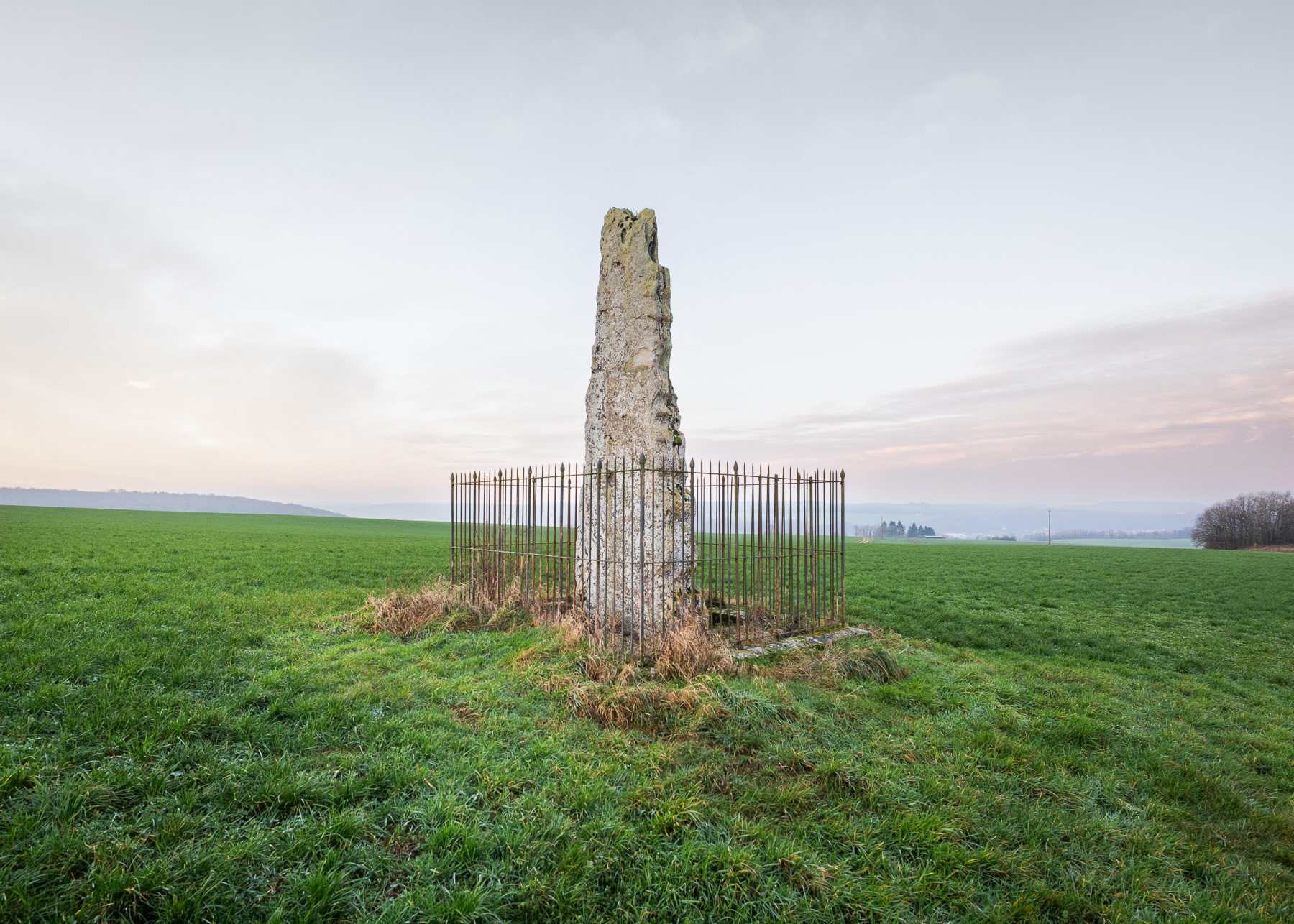
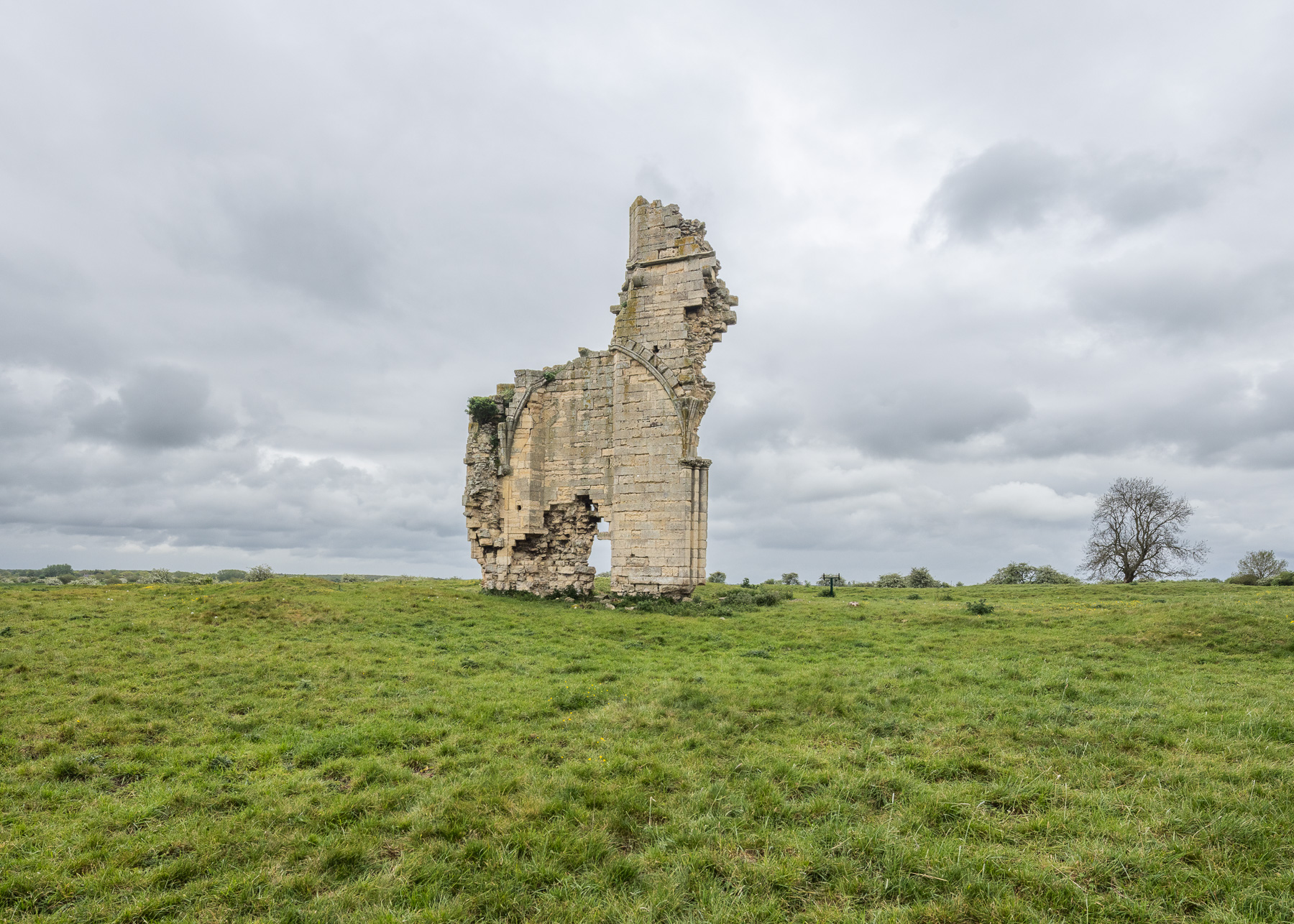
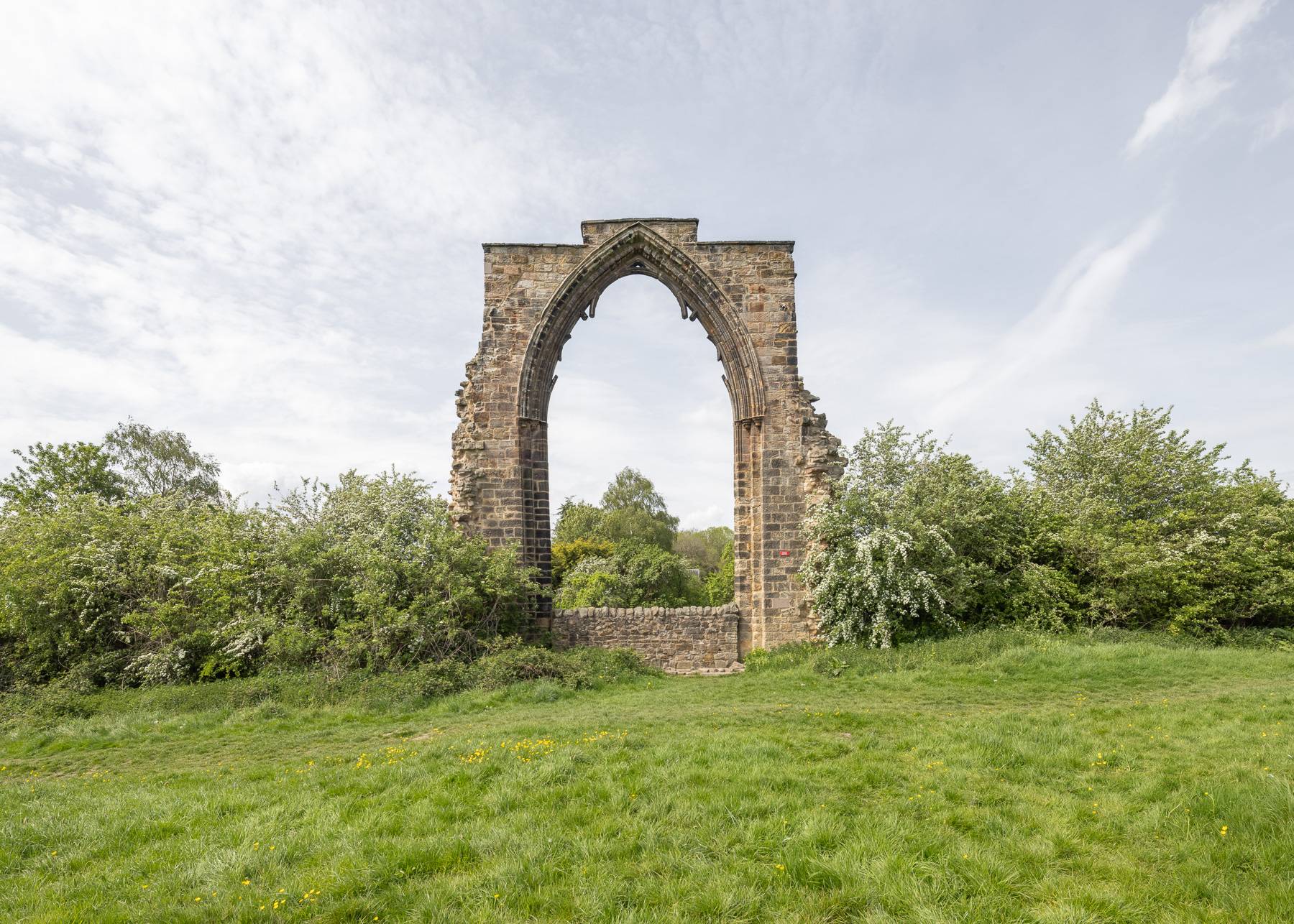
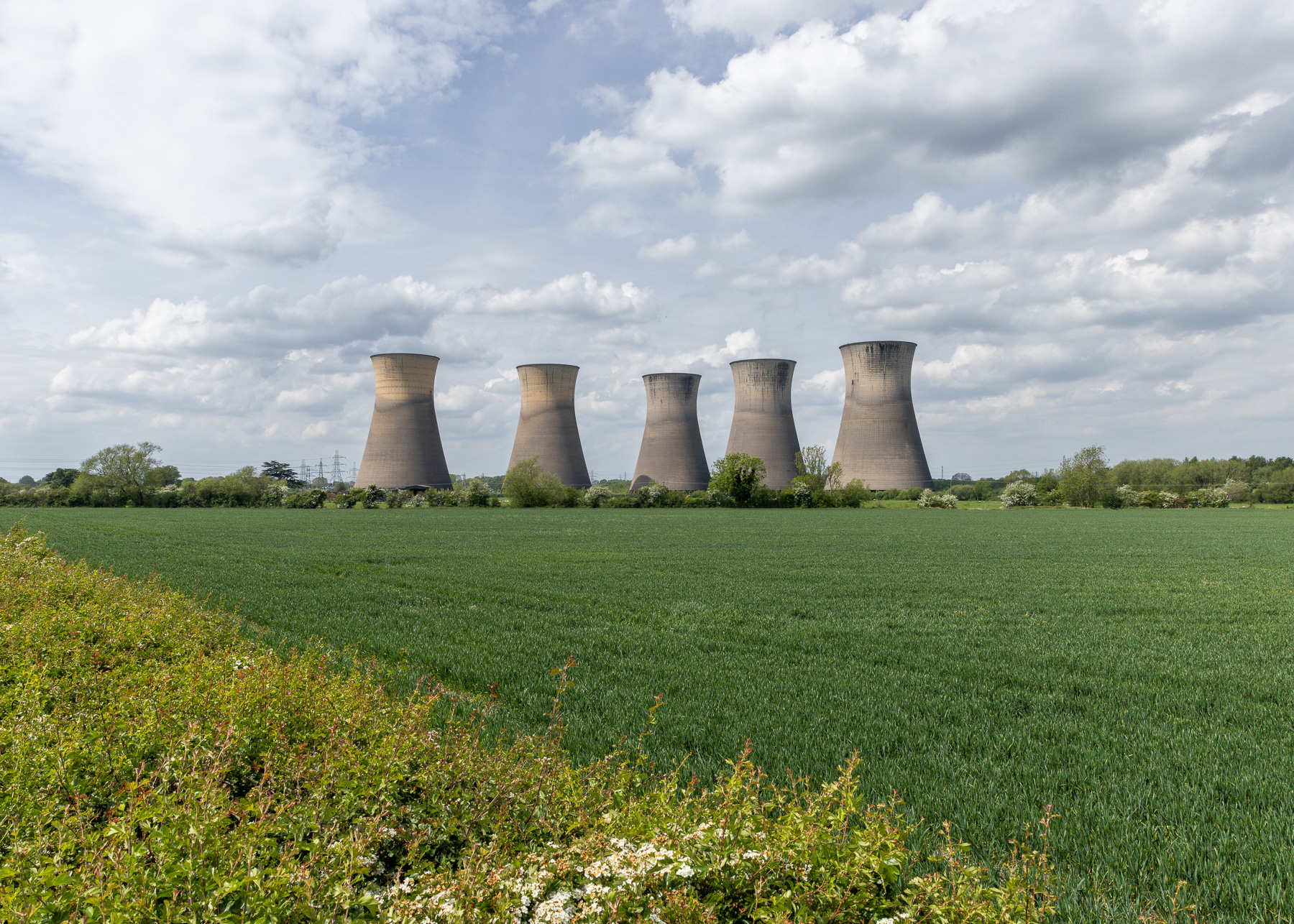
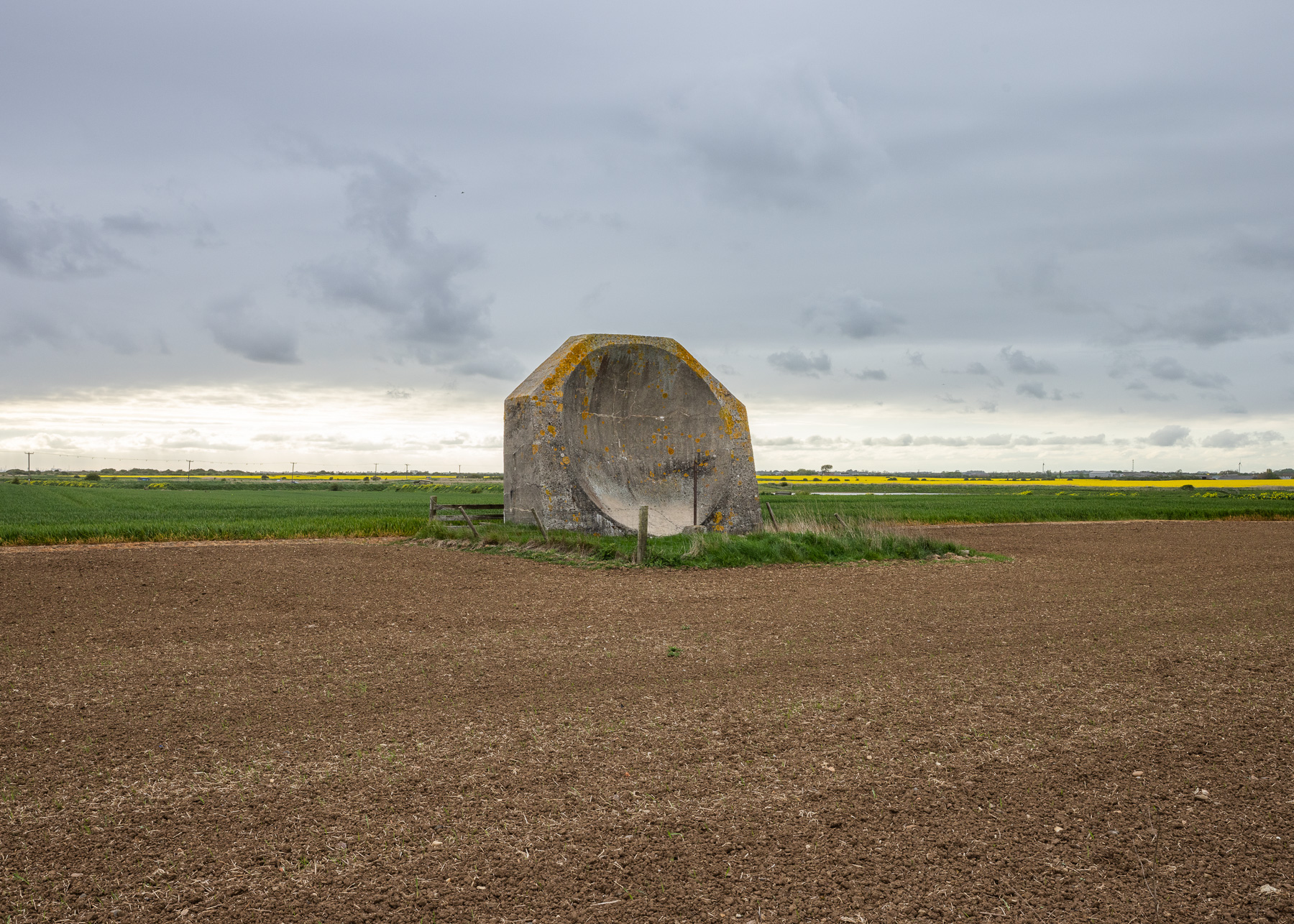
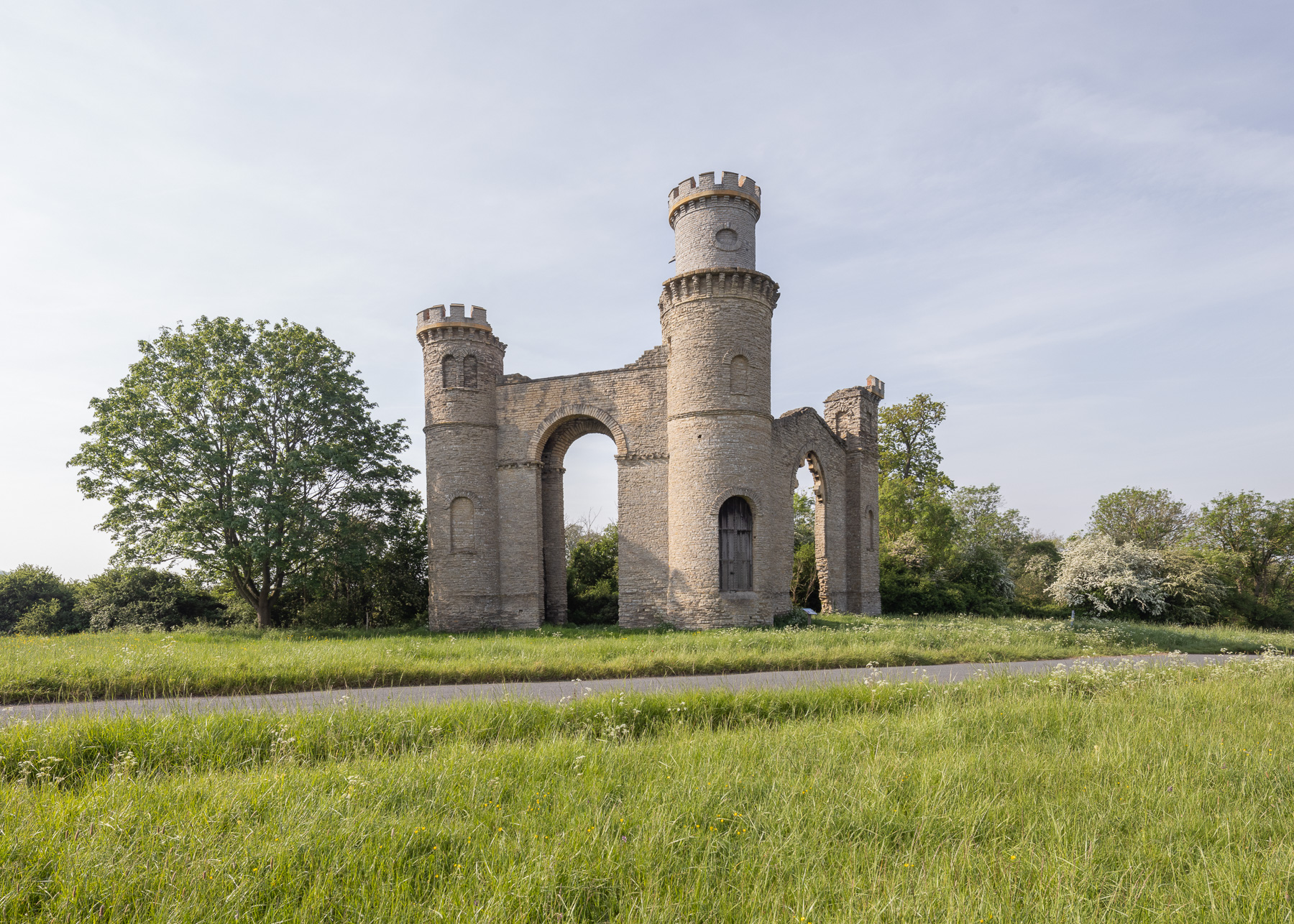
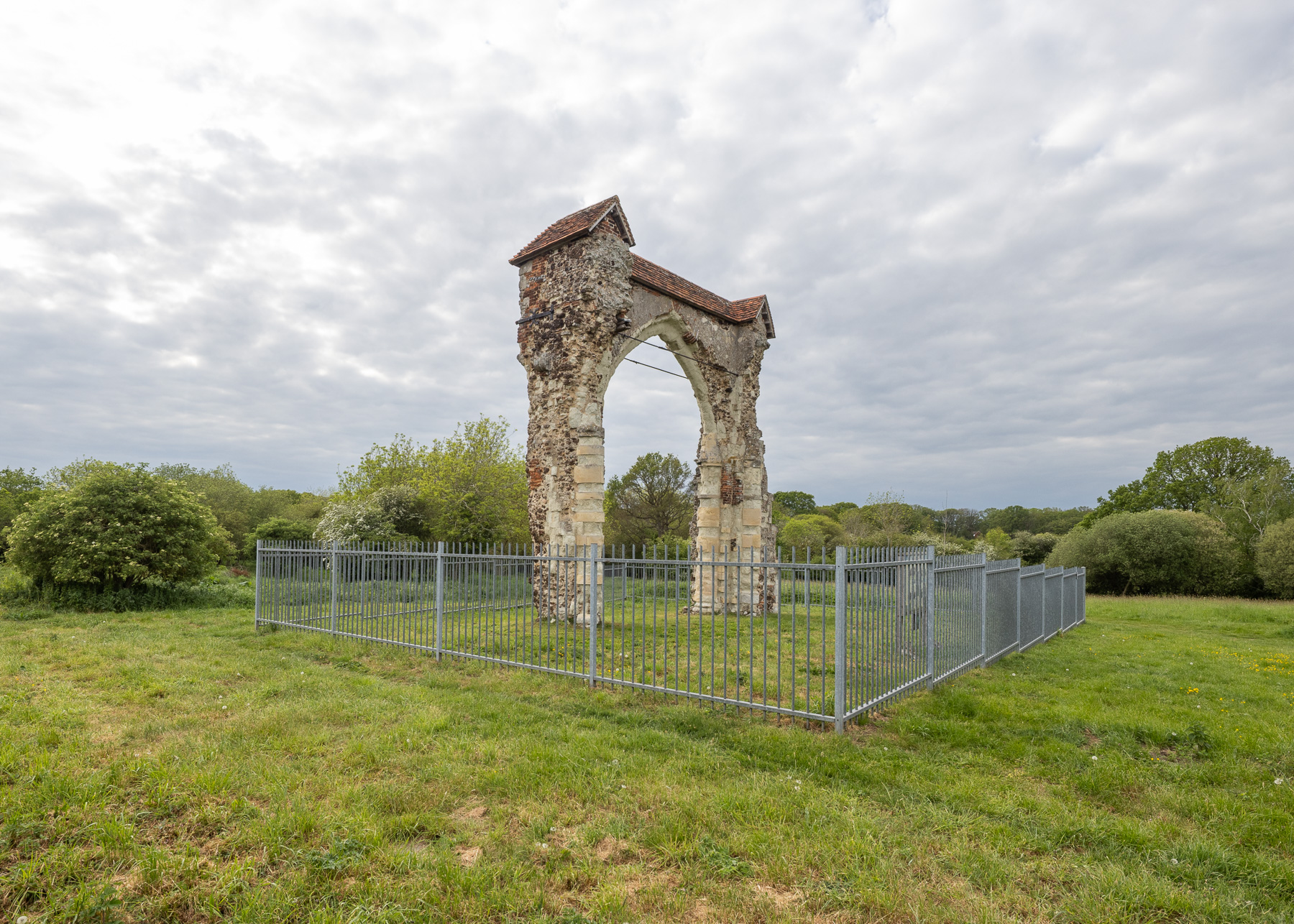
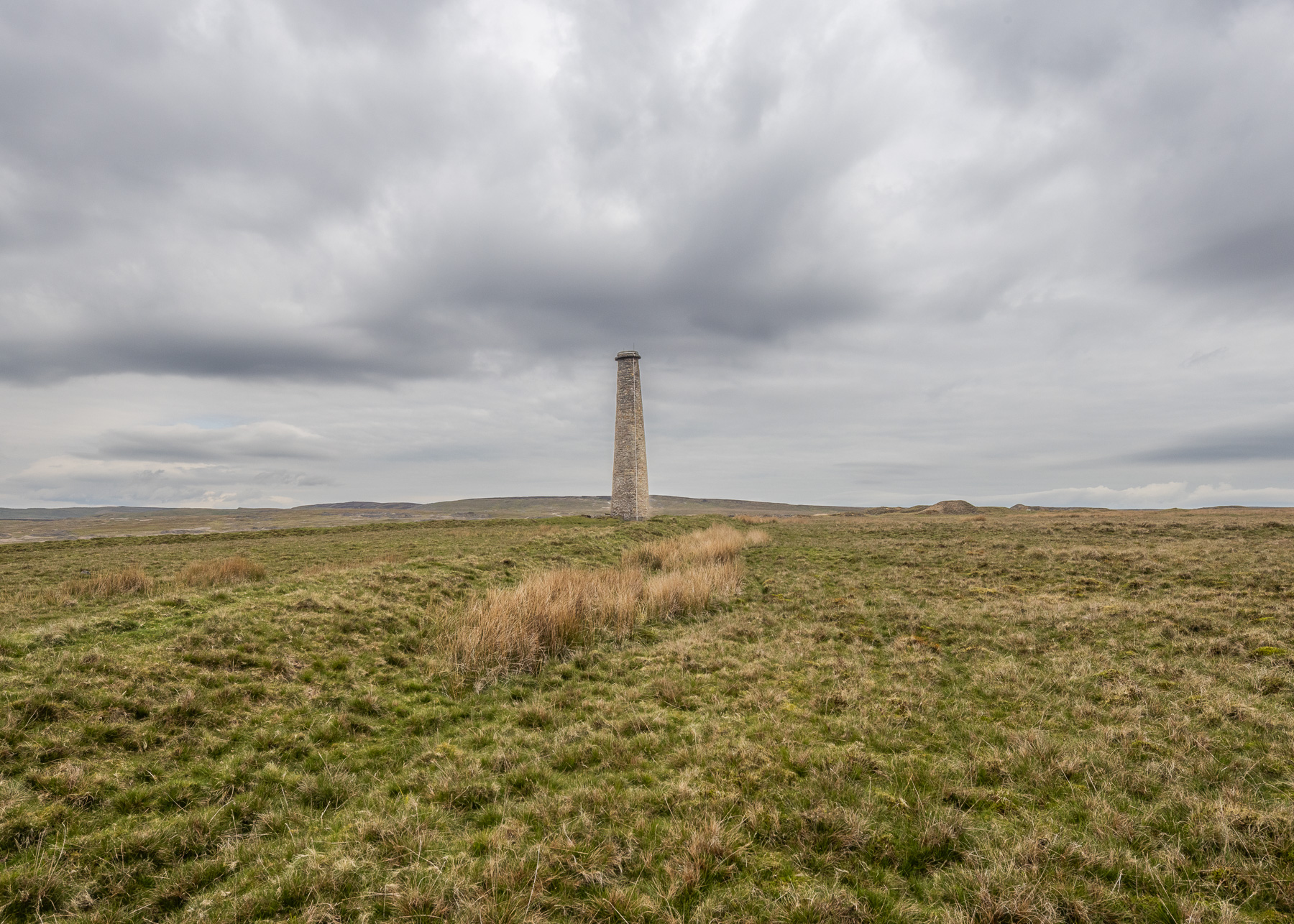
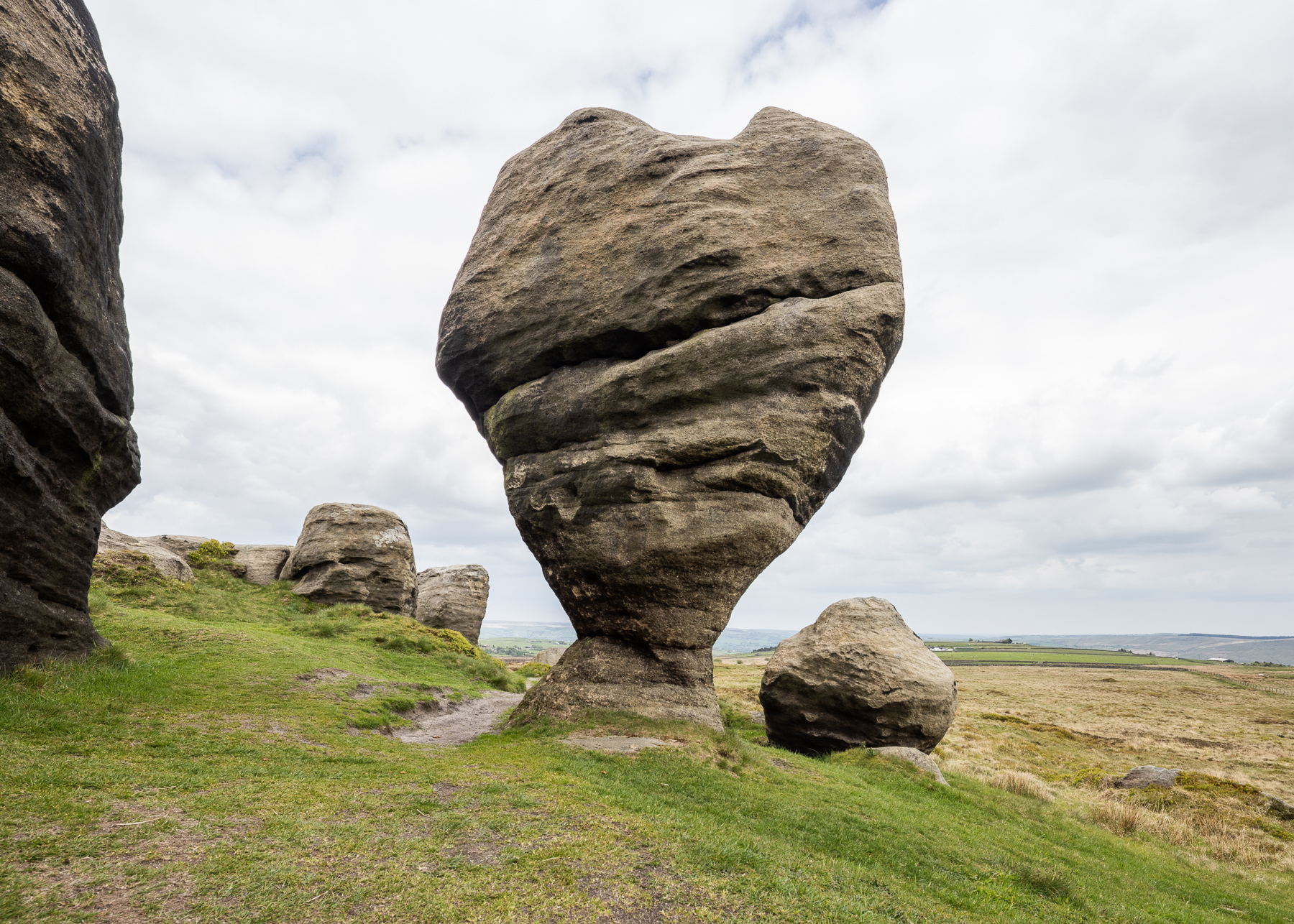
Persistent Forms investigates ruins, sacred stones, and fragmented structures across Europe not as historical monuments or documentary subjects, but as forms that continue to exist after the loss of their original meaning and function.
Developed through work produced in Spain, Germany, England, France, Latvia, and Poland, the project focuses on the continued physical presence of objects that have become detached from the systems that once defined them.
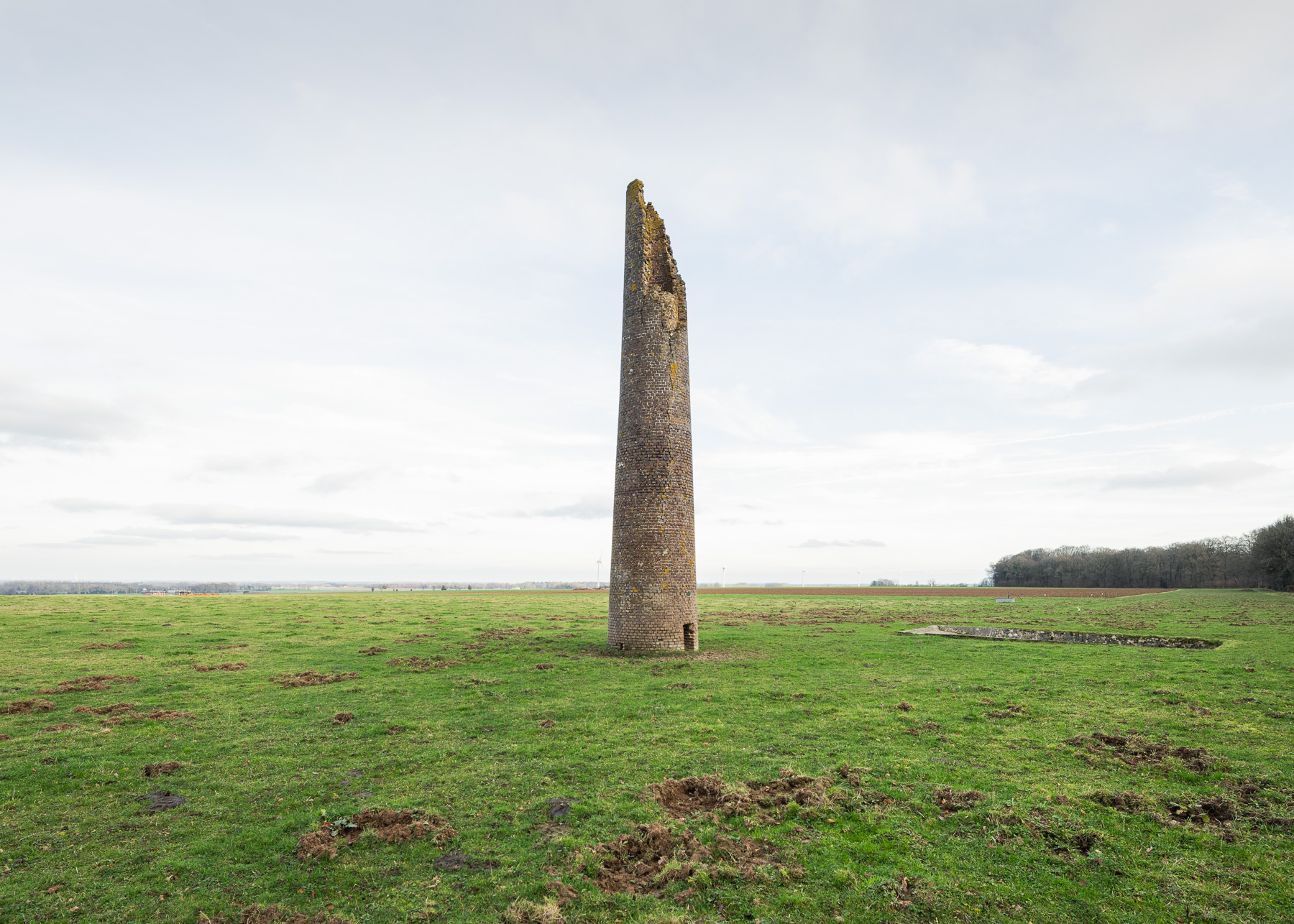
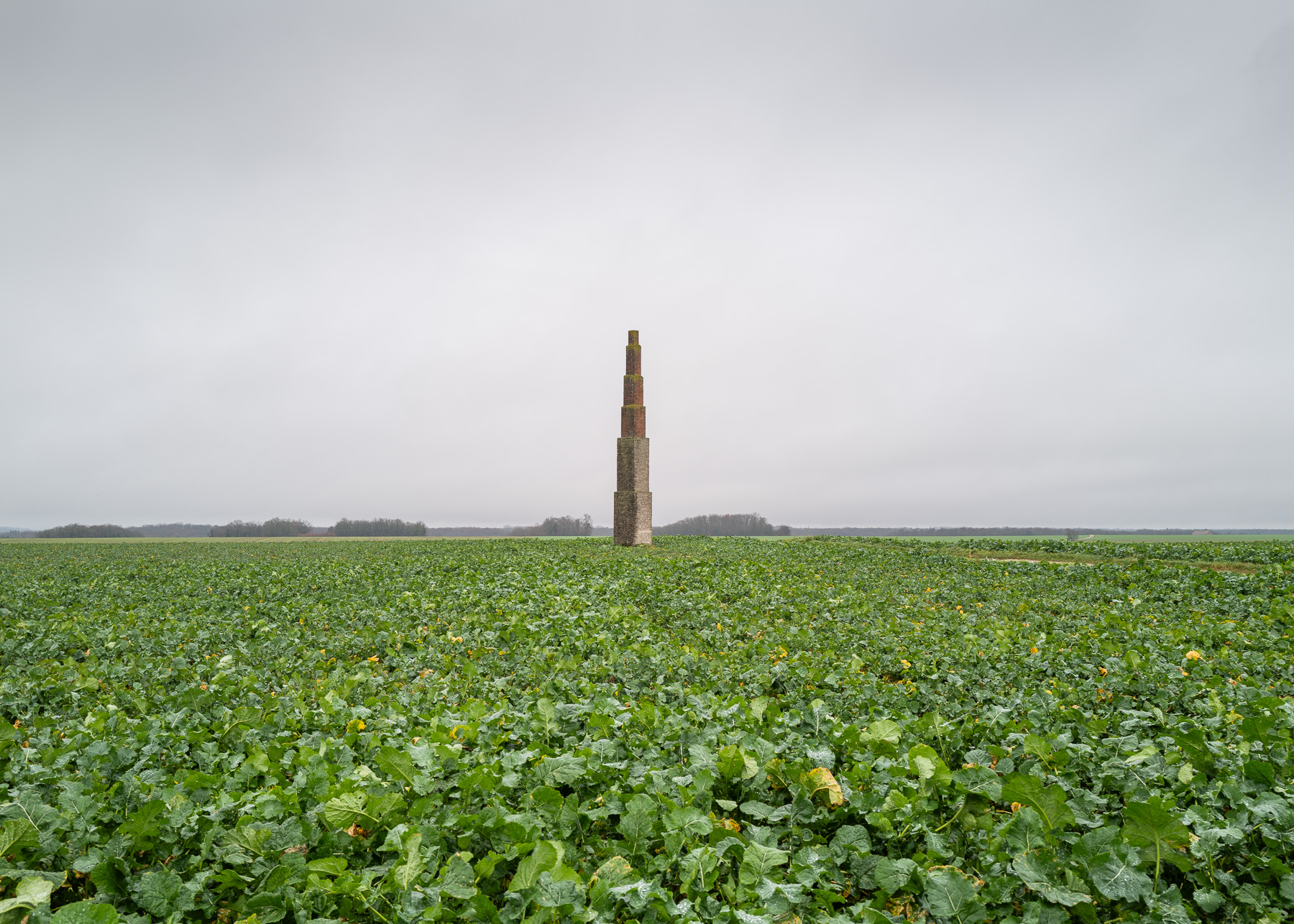
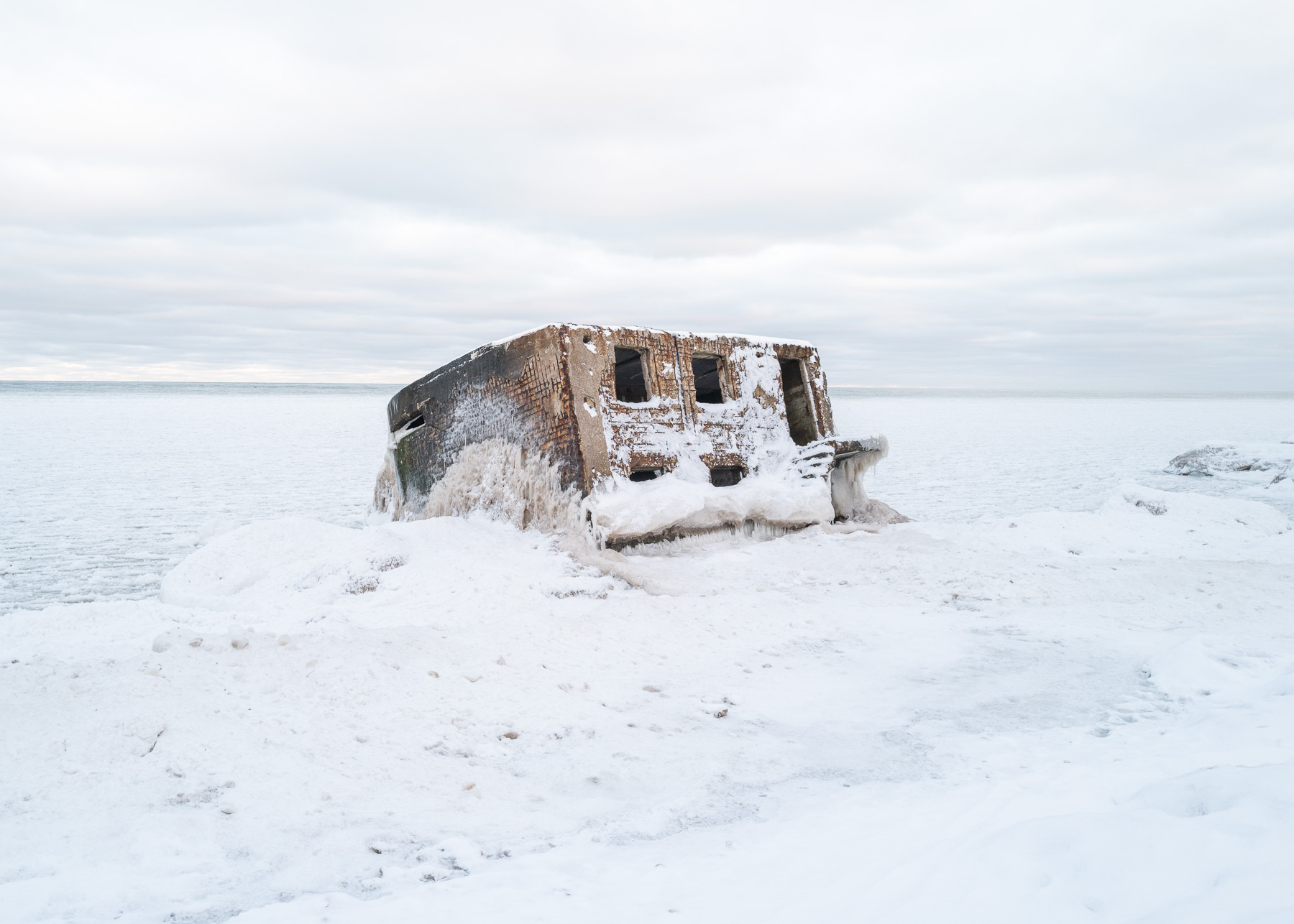
Ritual stones, sacred fragments, industrial remains, weathered religious figures, decommissioned infrastructure, and isolated façades are approached within the same visual framework.
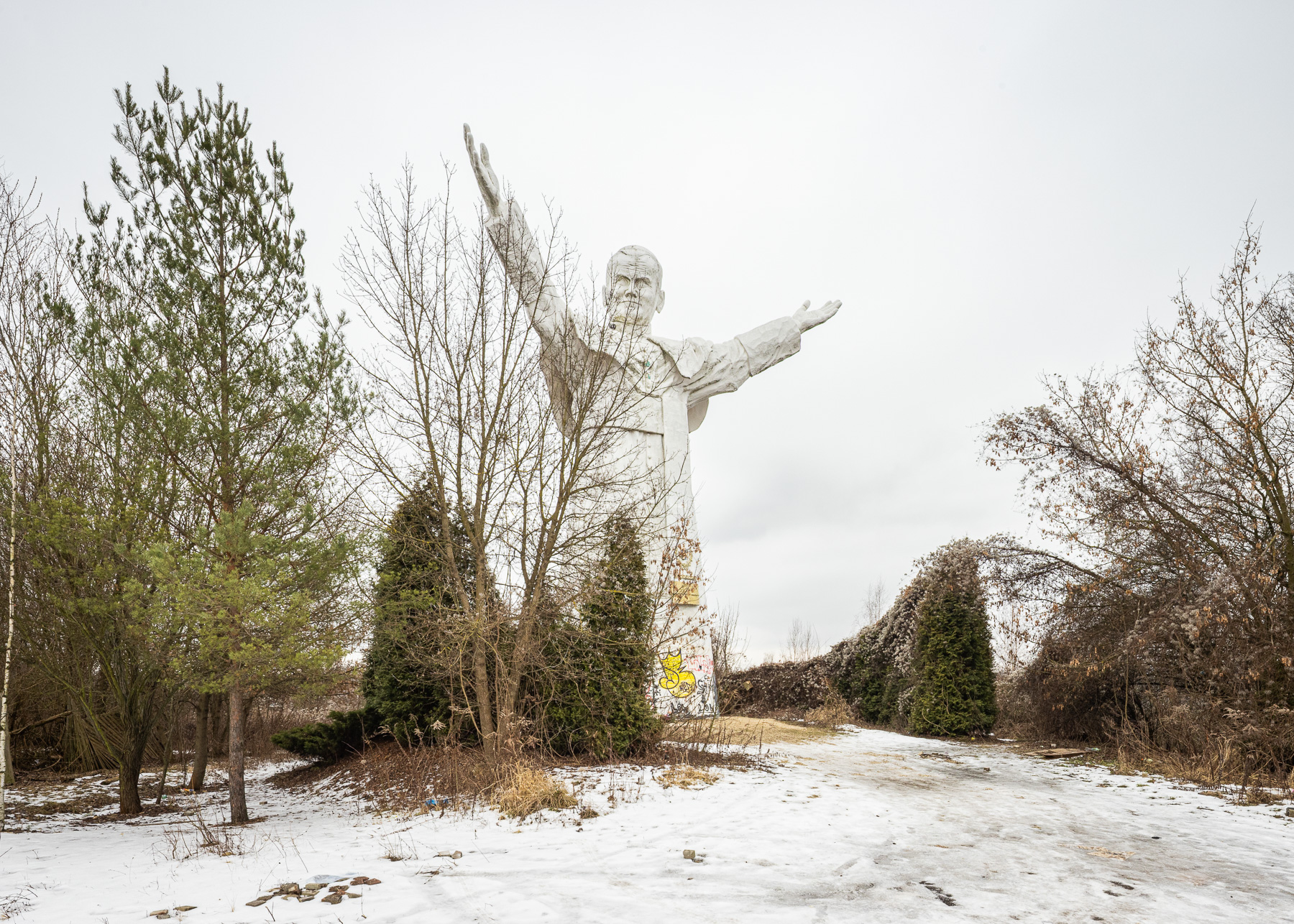
A papal statue in an abandoned amusement park in Poland, cooling towers in the English countryside, an abandoned bridge column in Germany, or remote ritual structures are treated equally as persistent forms whose meaning has become unstable.
Traditional distinctions begin to dissolve.
Sacred and profane, historical and modern, religious and industrial no longer appear as separate categories, but as related states of continued presence.
The structures remain physically visible while their original context fades or becomes inaccessible.
The project reduces the role of place and historical explanation in order to shift attention toward form, materiality, erosion, fragmentation, and isolation.
Sites from different religious, historical, and industrial contexts are brought together within a unified photographic system that allows unexpected visual relationships and tensions to emerge.
Persistent Forms is conceived as a long-term photographic and research-based work in progress that will continue to expand through the production of new images across additional regions of Europe.
The final outcome is intended as an installation-based body of work in which images from different places and contexts are brought together within the same visual system.
Persistent Forms has partly been supported by the Kulturwerk der VG Bild-Kunst.